

Moving from Portugal to Kenya (2026): Complete Guide

Relocating from Portugal to Kenya means closing out your affairs with two very different systems: Portugal’s EU-integrated tax and customs framework, and Kenya’s East African Community (EAC) customs regime run by the Kenya Revenue Authority (KRA). This guide is written for a resident of Portugal — Portuguese citizen or foreign resident — moving to Nairobi, Mombasa or elsewhere in Kenya for work, business or family reasons. It covers what you must do in Portugal before you leave, what happens when your shipment reaches Kenya, and the practical questions people forget: pets, vehicles, cash and household goods.
Key takeaways
- Your Kenyan entry permit class (work permit, dependant’s pass, etc.) determines whether your household goods qualify for duty-free import — apply for it before your goods ship, via the Directorate of Immigration Services eFNS portal.
- Notify Portugal’s tax authority of your change of address/non-residence within 60 days through Portal das Finanças.
- Exports from Portugal leave the EU customs area through the electronic STADA-Exportação / AES system administered by the Autoridade Tributária e Aduaneira (AT).
- Kenya lets first-time work-permit holders (contract of at least two years) import used personal effects and one motor vehicle duty-free if owned/used for at least a year and imported within 90 days of the permit being issued — KRA importing goods guidance and KRA diplomatic & first-arrival privileges.
- New goods carried as accompanied baggage are duty-free up to USD 2,000 per traveller if declared on the Passenger Declaration Form (F88) — KRA passenger clearance.
- Only right-hand-drive used vehicles first registered from 1 January 2019 or later may be imported into Kenya from 1 January 2026, and every used vehicle needs a pre-shipment inspection certificate — KEBS public notice and KRA motor vehicle importation.
- Pets need a Kenyan import permit (Form VS01) from the Directorate of Veterinary Services, plus a current rabies vaccination and a recent veterinary health certificate — KenTrade: import permit for dogs & cats; pets leaving Portugal need a DGAV-endorsed EU animal health certificate — DGAV pet travel.
- Cash of €10,000 or more must be declared leaving the EU (EU cash control rules); on entry to Kenya, amounts over KSh 500,000 / USD 5,000 must be declared on Form CBK/C.D./1 under the Central Bank of Kenya (Declaration of Currency) Regulations.
1. Your immigration status decides your customs treatment
Kenyan customs does not treat "moving your household" as a single category — it treats it according to why you’re allowed to be in the country. The Directorate of Immigration Services (DIS) issues permit classes including Class D (employment), Class G (business/consultancy), Class K (ordinary residence), and Dependant’s Passes, all applied for through the eFNS portal. KRA’s duty-free personal-effects concession for "first arrivals" is explicitly tied to holding a work permit for a contract of at least two years, with goods that were owned and used abroad for a minimum of one year and imported within 90 days of the permit being issued (extendable to up to 360 days with the Commissioner’s approval) (KRA importing goods; KRA diplomatic & first-arrival privileges). In practice this means: secure your Kenyan permit first, then time your shipment — arriving in Kenya before your permit is approved, or importing goods outside the 90-day window, risks losing the duty exemption.
2. The Portugal export side
Customs authority. Goods leaving Portugal (and the EU) are cleared by the Autoridade Tributária e Aduaneira (AT), Portugal’s tax and customs authority, through the automated export system STADA-Exportação, part of the EU’s Automated Export System (AES). Declarations are submitted electronically to the AT (Portugal Exporta: Declaração de Exportação). A household-goods shipment leaving by sea or air freight is normally declared on your behalf by your moving company’s licensed customs representative, not by you personally.
Deregistering / notifying departure. Portugal has no single "leaving the country" form. Instead you update your tax domicile in Portal das Finanças: log in with your NIF, go to your personal address details, and enter your new Kenyan address and the effective date. You must report this change within 60 days of it happening. If you don’t hold a Portuguese Citizen Card, the same change can be requested via the Finanças e-balcão service or in person at a Loja de Cidadão / tax office. The official gov.pt "Ir viver para o estrangeiro" guide also flags that you should notify your social security carrier of the move and register with your destination country’s system, and — if you keep a car for more than 6 months abroad — register it locally and cancel the Portuguese registration.
Tax-residency exit. Once your registered address is outside Portugal and you no longer meet the 183-day (or habitual-abode) test, AT reclassifies you as a non-resident taxpayer for future tax years; your NIF stays valid indefinitely for any residual Portuguese matters (property, pensions, filings) (Portal das Finanças – tax residency).
Cash leaving the EU. If you or your shipment involves carrying €10,000 or more in cash, cheques or equivalent instruments out of the EU, it must be declared at the point of exit under Regulation (EU) 2018/1672.
3. Ports, airports and transit — realistic timings
Portugal’s three main container gateways are the deep-water Porto de Sines (the largest and most modern in the country), Porto de Leixões near Porto, and the Port of Lisbon. Kenya’s principal seaport is the Port of Mombasa (Kilindini); the main international air gateway is Jomo Kenyatta International Airport (JKIA) in Nairobi.
The following are freight-industry planning estimates, not figures published by any port or customs authority — always confirm current transit times with your carrier or moving company:
- Sea freight (LCL/FCL), Sines/Lisbon → Mombasa: typically 25–40 days door-to-port, depending on transshipment hub (commonly via a Middle Eastern or Mediterranean hub) and sailing frequency.
- Air freight, Lisbon → Nairobi (JKIA): typically 3–7 days door-to-door including consolidation, usually via a European or Gulf hub.
- Add several days to weeks on the Kenyan end for customs clearance, especially if any document (permit, inspection certificate) is missing — clearance must happen within 21 days of the vessel’s arrival before storage/demurrage penalties escalate, per KRA vehicle-clearance guidance (KRA motor vehicle importation).
4. The Kenya import side
Household goods and accompanying baggage are cleared under the East African Community Customs Management Act, 2004 (EACCMA), Fifth Schedule, which exempts passengers’ baggage and personal effects from duty subject to conditions (EY summary of KRA passenger guidelines).
- Form F88 — Passenger Declaration Form: every arriving passenger must declare specified goods on Form F88 and present it to a Customs officer at the point of entry (KRA passenger clearance).
- Duty-free thresholds: used personal effects are generally exempt from duty; new items are exempt up to USD 2,000 per traveller if declared honestly to the Customs officer. Alcohol, tobacco and perfume carry separate small personal allowances for travellers over 18.
- First-arrival household-goods concession: if you hold a work permit for a contract of at least two years, you may import personal effects/household goods and one motor vehicle duty-free, provided the goods were owned and used for at least one year and are imported within 90 days of the permit’s issue date, extendable to up to 360 days with the Commissioner’s approval (KRA importing goods; KRA diplomatic & first-arrival privileges).
- Clearance system: freight shipments (as opposed to accompanied baggage) are declared electronically by a licensed customs agent through KRA’s Integrated Customs Management System (iCMS); items failing an initial scan go to physical inspection (EY / KRA guidelines).
- Product standards: many new goods (electronics, vehicles, some household items) require a Certificate of Conformity or destination inspection under KEBS’s Pre-Export Verification of Conformity (PVoC) programme (KEBS PVoC manual).
5. Pets
Leaving Portugal: your pet needs an EU pet passport (if it already has one and no health status has changed) or, for onward non-EU travel, an animal health certificate issued and endorsed by a vet and validated by the Direção-Geral de Alimentação e Veterinária (DGAV) within 10 days of departure (DGAV — travelling with dogs, cats and ferrets). Get a rabies booster before departure if the existing vaccination might expire during your time in Kenya.
Entering Kenya: you need an import permit (Form VS01) issued in advance by Kenya’s Directorate of Veterinary Services (Ministry of Agriculture, Livestock, Fisheries and Cooperatives), typically valid for around 90 days and covering one consignment only; an accompanying international veterinary certificate (Form VS16) is also required (KenTrade: import permit for dogs & cats). Dogs and cats must have a current, valid rabies vaccination and travel with a recent veterinary health certificate confirming they are free of infectious disease — apply well ahead of departure, since exact vaccination and certificate timing windows are set by DVS and should be confirmed directly with them, a licensed clearing agent, or your moving company before you book travel.
6. Vehicles, money and things people forget
Vehicles. Only right-hand-drive used vehicles with a first-registration date of 1 January 2019 or later (the KEBS 8-year rule under KS 1515) may be imported into Kenya from 1 January 2026; this applies to the general public, returning residents and diplomats alike. Every used vehicle needs a Pre-Shipment/Roadworthiness inspection certificate from a KEBS-appointed agent before it leaves the country of export (KEBS public notice page; KRA motor vehicle importation). Since Portugal drives on the right, a Portuguese-registered car is left-hand-drive and will not meet Kenya’s RHD requirement — plan to sell or leave it behind rather than ship it.
Cash. Declare €10,000+ leaving the EU (EU cash rules); declare amounts over KSh 500,000 (about USD 5,000) on Form CBK/C.D./1 entering or leaving Kenya, under the Central Bank of Kenya (Declaration of Currency) Regulations (Kenya Law).
Things people forget: Portuguese social security must be notified separately from the tax address change — it doesn’t update automatically (gov.pt guide); your Portuguese NIF stays valid and useful even as a non-resident; and Kenya’s duty-free household-goods window is time-boxed to 90 days from your permit date, so don’t let shipping delays push you past it.
How Flyto handles your Portugal to Kenya move
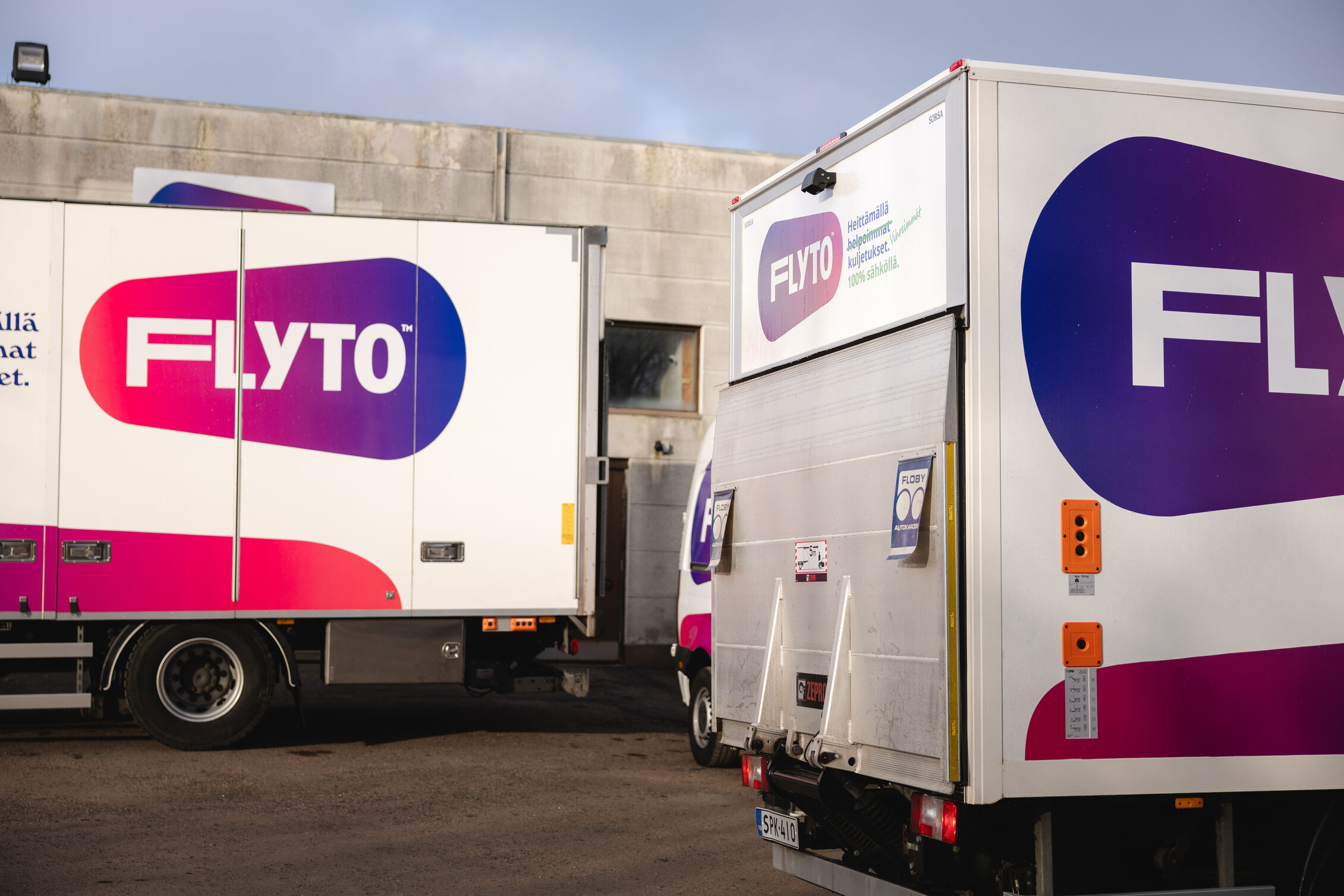
Flyto runs its own offices, warehouses, trucks and crews across Northern, Central and Southern Europe, so the Portugal collection, packing and export documentation for your move is handled in-house from day one. For the sea or air leg to Mombasa or Nairobi, we work through a carefully vetted network of freight and shipping partners, and on the ground in Kenya we coordinate with trusted local partners who handle customs clearance, permits and final delivery — so you get one point of contact managing both halves of the move.
Frequently asked questions
Do I need a Kenyan work permit before I ship my household goods?
Not strictly, but KRA’s duty-free concession for first arrivals is conditional on holding a work permit for a contract of at least two years and importing your goods within 90 days of the permit’s issue date, so it’s best to have the permit approved first (KRA importing goods).
Can I ship my Portuguese car to Kenya?
It’s generally impractical: Kenya only allows right-hand-drive used vehicles first registered from 2019 onward (from 1 January 2026), and Portuguese cars are left-hand-drive (KEBS notice).
How long do I have to tell the Portuguese tax authority I’m leaving?
60 days from the date your residence status changes, via Portal das Finanças (tax residency update).
Can I bring my dog or cat to Kenya?
Yes, with an advance import permit (Form VS01) from Kenya’s Directorate of Veterinary Services, a valid rabies vaccination, and a recent veterinary health certificate (KenTrade); Portugal requires a DGAV-endorsed health certificate to export the animal (DGAV).
How much cash can I carry?
Declare €10,000+ when leaving the EU (EU rules); declare amounts over roughly USD 5,000 (KSh 500,000) on entry to or exit from Kenya using Form CBK/C.D./1 (Kenya Law).
Moving back from Kenya to Portugal — what changes?
As an EU/EEA returnee (or new arrival) you’d re-register your address and reactivate Portuguese tax residency via Portal das Finanças, and your used personal effects can generally re-enter the EU without import duty as "returned goods," subject to the standard AT/EU customs conditions administered on entry — check with AT directly for your specific documentation before shipping.
Sources
- Portal das Finanças — Update your tax residency
- gov.pt — Ir viver para o estrangeiro
- Portugal Exporta — Declaração de Exportação (AT / STADA-Exportação)
- DGAV — Travelling to Portugal/abroad with dogs, cats and ferrets
- Your Europe (European Commission) — Carrying cash across the EU border
- APS — Administração dos Portos de Sines e do Algarve (official Port of Sines site)
- Porto de Leixões — APDL official port page
- Directorate of Immigration Services — Work Permits and Passes
- eFNS Portal — Directorate of Immigration Services
- KRA — Importing goods / personal effects guidance
- KRA — Diplomatic & First Arrival Privileges
- KRA — Passenger Clearance (Customs), Form F88
- KRA — Motor Vehicle Importation
- KEBS — Public Notices (vehicle age-limit directive)
- KEBS — PVoC Programme Operations Manual (Version 15)
- Kenya Law — Central Bank of Kenya (Declaration of Currency) Regulations
- KenTrade (Kenya TradeNet) — Import permit for dogs & cats (VS01), Directorate of Veterinary Services
- EY — KRA guidelines for customs clearance at point of entry for passengers