

Moving from Italy to Hong Kong (2026): Complete Guide

Relocating from Italy to Hong Kong means moving your life from the European Union’s customs territory to one of the world’s freest ports — two systems that could hardly be more different. Every successful move on this corridor has two halves that must line up: the Italy export/departure side, governed by EU and Italian customs, population-registry and tax rules, and the Hong Kong import/arrival side, governed by the Hong Kong Special Administrative Region’s customs, immigration and animal-import authorities. This guide covers both, plus a short note on returning to Italy. It is written for Italian residents — citizens and long-term foreign residents alike — moving household goods, pets, vehicles or money from Italy to Hong Kong.
Key takeaways
- Your Hong Kong immigration status determines everything downstream: you generally need a visa or entry permit to work, study or take up residence, most commonly under the General Employment Policy (GEP), which is quota-free.
- Italy’s customs authority is the Agenzia delle Dogane e dei Monopoli (ADM); all export declarations are lodged electronically (ADM — Export).
- Italian citizens moving abroad for over 12 months must register with AIRE within 90 days, which cancels their entry in the resident-population register (Ministero degli Affari Esteri — AIRE).
- AIRE registration alone does not end Italian tax residency — the statutory tests still apply (Agenzia delle Entrate — Residence for tax purposes).
- Hong Kong gives no duty-free concession for household goods sent as cargo, and personal effects clear "the same as general cargoes" (HK Customs — Personal Effects).
- An import declaration must be lodged within 14 days of importation for non-exempt articles (HK Census & Statistics Department).
- Dogs and cats need an AFCD Special Permit (Form AF240) in advance; Italy is a Group II country (AFCD — Import of Dogs and Cats).
- Cash rules apply at both ends: declare €10,000+ leaving the EU (Your Europe) and more than HK$120,000 arriving in Hong Kong (HK Customs — Currency & CBNIs).
1. Your Hong Kong status decides the customs treatment
Before you think about a single box, settle your immigration route — it shapes the entire move. Generally, a visa or entry permit is required to work, study, establish or join a business, or take up residence in the HKSAR (Immigration Department — Visas/Entry Permits). Most professionals relocating from Italy enter under the General Employment Policy (GEP), which is quota-free and non-sector-specific and requires a confirmed job offer relevant to your qualifications or experience (ImmD — GEP). Other schemes exist (for talent, investment and graduates), but GEP is the standard employment route.
Why does this matter for customs? Unlike many countries, Hong Kong does not grant a "returning resident" or "transfer of residence" duty relief for household goods — there is simply no duty on general goods to begin with, and equally no special concession for movers (HK Customs — Personal Effects). Your visa instead governs your ability to live in Hong Kong long-term, open the tenancy your shipment will be delivered to, and sponsor accompanying family. Confirm your visa is issued (or your entry arrangement clear) before you book freight.
2. The Italy export side: ADM, AIRE and tax exit
The customs authority. Exports from Italy are handled by the Agenzia delle Dogane e dei Monopoli (ADM). Because Hong Kong sits outside the EU customs territory, your shipment is a genuine export: an export declaration must be lodged electronically through ADM’s national telematic systems (the AIDA platform, integrated with the EU’s AES), and the movement is assigned a Movement Reference Number (MRN). Goods are released once ADM’s export office confirms they leave the customs territory in the same condition in which the declaration was accepted (ADM — Export). Personal-effects removals are typically declared by your freight forwarder or customs agent on your behalf; used household goods being exported permanently normally carry no Italian export duty, but the declaration itself is mandatory.
Deregistration (AIRE). If you are an Italian citizen transferring your residence abroad for more than 12 months, registering with the Anagrafe degli Italiani Residenti all’Estero (AIRE) is mandatory. You must submit the request to the competent Italian consulate (in your case, the Consulate General in Hong Kong once you arrive) within 90 days of your change of residence. Registration automatically cancels your entry in the resident-population register (Anagrafe della Popolazione Residente) of your Italian comune (Esteri — AIRE). Since 1 January 2024, failure to register can draw an administrative fine of €200 up to €1,000 per person, per year of non-registration, for up to five years (Law No. 213/2023). Non-Italian residents instead let their Italian permesso di soggiorno lapse and deregister from their comune’s registry.
Tax-residency exit. This is where movers most often trip up. Under the rules in force since 1 January 2024, you are an Italian tax resident if, for the greater part of the year (more than 183 days, 184 in a leap year), any one connecting factor is met — residence (habitual abode), domicile (the centre of your personal and family relationships), physical presence, or registration in the resident-population register (Agenzia delle Entrate — Residence for tax purposes). Crucially, AIRE registration alone is not enough to prove you have moved your tax residence abroad; the Agenzia’s 2024 guidance stresses that the substantive tests — where your home, family and economic interests actually are — still govern (Agenzia delle Entrate — Circular 20/2024 (EN)). Plan your departure date, sever your Italian ties cleanly, and take professional advice if your income or assets are significant.
3. Ports and transit: real routes, honest estimates
Sea freight is the default for a full household. Italy’s two largest container gateways serving the Far East are the Port of Genoa (Genova) and the Port of La Spezia, both on the Ligurian coast; Trieste and Livorno are also used depending on origin and consolidation. Containers sail via the Suez Canal (or, when carriers reroute around the Cape of Good Hope, considerably longer) to Hong Kong’s Kwai Tsing container terminals. For urgent or small consignments, air freight departs from Milan Malpensa (MXP) or Rome Fiumicino (FCO) to Hong Kong International Airport (HKG).
The following are freight-industry estimates, not official figures, and vary widely with carrier schedules, consolidation waits, canal routing and customs:
- Sea (FCL/LCL), Genoa/La Spezia → Hong Kong: roughly 28–40 days port-to-port, plus 1–3 weeks each side for collection, consolidation, clearance and delivery.
- Air, Milan/Rome → Hong Kong: roughly 3–8 days airport-to-airport, plus handling and clearance.
Treat any quoted door-to-door figure as a planning range, and keep essentials in your accompanied baggage.
4. The Hong Kong import side: the 14-day declaration
Hong Kong is a free port with no general import duty, but it is not paperwork-free. Personal-effects cargo is cleared by the Customs and Excise Department (C&ED) using the same procedures as general cargoes, and — this surprises many — no duty-free concession is given for any dutiable goods inside a household shipment (HK Customs — Personal Effects).
The core obligation is the import declaration: any person who imports non-exempt articles must lodge an accurate and complete import declaration within 14 days of importation, submitted electronically to the Census and Statistics Department (C&SD — Import/Export Declaration). A small declaration charge applies, and late lodgement attracts a penalty. In practice your Hong Kong destination agent files this for you and presents the shipping documents (bill of lading/air waybill, packing list, your passport and visa) to release the container.
Watch the four dutiable commodities — liquors, tobacco, certain hydrocarbon oil and methyl alcohol — which need a licence and a removal permit even in a personal shipment (HK Customs — Dutiable Commodities). Note that liquor with an alcoholic strength of 30% or less by volume (most wine) carries no duty, but higher-strength spirits and tobacco are dutiable. Leave your Italian spirits and cigars out of the container unless you are prepared for licensing.
5. Pets: official rules at both ends
Italy → Hong Kong. Dogs and cats must not be brought into Hong Kong without a Special Permit obtained in advance from the Agriculture, Fisheries and Conservation Department (AFCD), applied for on Form AF240 (together with the UN110 declaration). Italy is classified as a Group II country (AFCD — Import of Dogs and Cats from Group II). Group II animals that meet all conditions — microchip, current rabies vaccination, and a government-issued or government-endorsed animal health certificate — may be exempted from quarantine, but the permit must be secured before travel is booked; it is valid for six months and covers one consignment only. Book with an approved pet-travel agent, as animals travel as manifest cargo and airline/crate rules apply.
Hong Kong → Italy (reverse). Bringing a pet the other way means importing into the EU from a non-EU third country. Hong Kong-origin dogs, cats and ferrets need a microchip, a valid rabies vaccination and an EU Animal Health Certificate. Because Hong Kong is a listed (Annex II) territory for EU pet-travel purposes, the rabies antibody titration test is not required and there is no post-test waiting period — a meaningful advantage over pets coming from non-listed countries (European Commission — Bringing a pet into the EU from a non-EU country). Entry into Italy is via an approved traveller point of entry, under rules administered by the Ministero della Salute. Even so, start the paperwork well ahead, because the health certificate carries tight validity windows.
6. Vehicles, money and the things people forget
Vehicles. Cars enter Hong Kong free of customs duty, but you must lodge an import declaration with C&ED within 14 days, submit an Import Return, then obtain a Notification of Motor Vehicle Provisional Taxable Value and apply for first registration with the Transport Department (Transport Department — Importation and Registration of Motor Vehicles; HK Customs — Motor Vehicles). The sting is the First Registration Tax, which for private cars starts at 46% on the first HK$150,000 of taxable value and climbs steeply through higher bands. For most movers, shipping a car from Italy is not worth it — sell before you go.
Money. Leaving the EU with €10,000 or more in cash or equivalents requires a declaration to Italian customs (EUR-Lex — Controls on cash). Arriving in Hong Kong with more than HK$120,000 in currency or bearer negotiable instruments requires a written declaration to Customs under the Cross-boundary Movement of Physical Currency and Bearer Negotiable Instruments Ordinance (Cap. 629) (HK Customs — Currency & CBNIs).
Commonly forgotten: obtain apostilled/legalised copies of birth, marriage and academic certificates before leaving Italy; close or notify your comune, utilities and Italian bank; keep your Tessera Sanitaria details; and remember Hong Kong tenancies usually demand a large deposit up front.
How Flyto handles your Italy to Hong Kong move
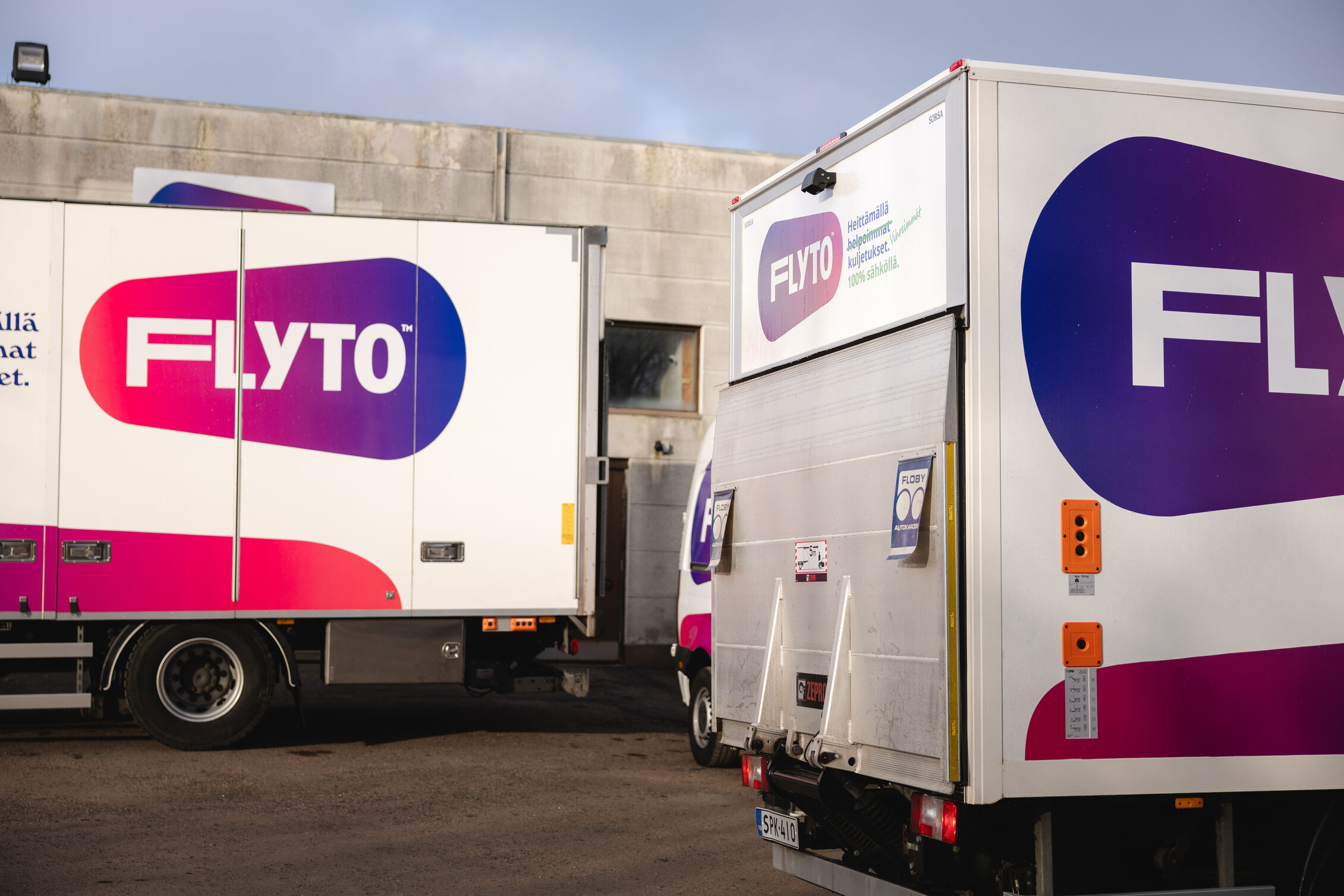
Flyto runs its own offices, warehouses, teams and vehicles across Northern, Central and Southern Europe, so the Italian collection, export packing and customs paperwork are handled by people we manage directly. For the long-haul leg we combine a carefully chosen network of vetted freight partners and subcontractors with trusted local partners in Hong Kong for import clearance and final delivery. We don’t pretend to do every mile ourselves — we own the parts of the journey we’re strongest at across Europe and choose proven specialists for the rest.
Frequently asked questions
Do I pay import duty on my household goods in Hong Kong?
No general import duty applies, but there is no duty-free "movers’ concession" either, and any liquor, tobacco, hydrocarbon oil or methyl alcohol remains dutiable and licence-controlled (HK Customs — Personal Effects).
Do I really have to declare my container to Hong Kong customs?
Yes — a full, accurate import declaration within 14 days of importation is required for non-exempt articles (C&SD). Your destination agent normally files it.
Does registering with AIRE mean I stop paying Italian tax?
Not automatically. AIRE cancels your resident-population entry, but Italian tax residency turns on the substantive 183-day and connecting-factor tests (Agenzia delle Entrate).
Can my dog fly straight from Italy without quarantine?
Generally yes, if you hold the AFCD Special Permit (Form AF240) in advance and meet all Group II conditions (AFCD). Never book travel before the permit is issued.
How long will sea freight take?
Plan for roughly 28–40 days port-to-port from Genoa or La Spezia, plus handling each side. These are freight-industry estimates, not official figures, and shift with carrier routing.
Do I need a visa sorted before shipping?
Yes — you generally need a visa or entry permit, most often under the GEP, to take up residence and receive delivery to your Hong Kong address (ImmD — GEP).
Sources
- Agenzia delle Dogane e dei Monopoli — Export
- Ministero degli Affari Esteri — AIRE
- Agenzia delle Entrate — Residence for tax purposes
- Agenzia delle Entrate — Circular 20/2024 (EN)
- EUR-Lex — Controls on cash entering or leaving the EU
- Your Europe — Carrying cash in/out of the EU
- European Commission — Bringing a pet into the EU from a non-EU country
- HK Immigration Department — Visas/Entry Permits
- HK Immigration Department — General Employment Policy
- HK Customs — Personal Effects
- HK Customs — Import and Export Declaration
- HK Census & Statistics Department — Import/Export Declaration
- HK Customs — Dutiable Commodities
- HK Customs — Currency and Bearer Negotiable Instruments
- HK Customs — Motor Vehicles
- HK Transport Department — Importation and Registration of Motor Vehicles
- AFCD — Import of Dogs and Cats
- AFCD — Import of Dogs and Cats from Group II countries