

Moving from Switzerland to Taiwan (2026): Complete Guide

Relocating from Switzerland to Taiwan means clearing two very different systems: a landlocked, highly formalised Swiss export and deregistration process on one end, and Taiwan’s residence-based customs, immigration and quarantine regime on the other. Because Switzerland has no seaport, every container first travels by Rhine barge, rail or road to a North Sea or Mediterranean port before its long ocean leg to Keelung or Kaohsiung. This guide walks through both halves of the corridor — the Swiss departure side and the Taiwanese arrival side — plus a short note on moving back. It is written for anyone leaving a Swiss commune (Swiss nationals, C-permit holders and other residents) to build a life in Taiwan.
Key takeaways
- Switzerland’s customs authority is the Federal Office for Customs and Border Security (FOCBS / BAZG); for a personal move you present an inventory list showing your Swiss and foreign address at the export customs office (BAZG).
- Swiss commercial export declarations now run through the new Passar system, which replaced e-dec Export at the end of 2025 (BAZG Passar changeover).
- You must deregister (Abmeldung / annonce de départ) at your commune’s residents’ registration office; the confirmation is needed for customs formalities and closes your Swiss tax record (EDA Emigrating).
- Taiwan grants duty-free entry of used personal effects to people genuinely transferring residence, generally provided the goods arrive within six months of your first entry (Laws & Regulations Database, R.O.C.).
- On arrival you complete the Declaration Form for Inbound Passengers and use the red channel; get your passport entry-stamped to prove your entry date (Taipei Customs).
- Cash rules are strict: NT$100,000 is the limit for New Taiwan Dollars (declare and seek approval for more), foreign currency over US$10,000 must be declared, and Renminbi is capped at RMB 20,000 (Kaohsiung Customs).
- Dogs and cats need an import permit applied for at least 30 days before shipment, an ISO microchip, rabies vaccination and a rabies antibody titre of at least 0.5 IU/ml (APHIA).
1. Your Taiwan immigration status decides your customs treatment
In Taiwan, customs relief for household goods is tied to residence, not to citizenship or to simply owning the items. Foreign nationals who are genuinely transferring their residence to Taiwan may import used personal effects and household articles duty-free, generally provided the shipment arrives within six months of their first entry (Laws & Regulations Database, R.O.C.).
The practical anchor for that six-month window is your passport entry stamp. Foreigners intending to stay longer than 180 days enter on a resident visa and then apply for an Alien Resident Certificate (ARC) at a National Immigration Agency service centre (National Immigration Agency, R.O.C.). The ARC is what proves to customs, banks and landlords that you are a resident rather than a visitor. If you ship your container before you fly, plan the timing so your goods land after — not before — your first stamped entry, and inside the six-month limit.
2. The Switzerland export side: authority, deregistration and tax exit
The customs authority. Exports are handled by the Federal Office for Customs and Border Security (FOCBS), known by its German initials BAZG. For a private relocation, the process is refreshingly light: BAZG states that "it is sufficient if you present an inventory list indicating your address in Switzerland and abroad to the exportation customs office," and that private vehicles "have to be declared for exportation by presenting a copy of the Swiss registration document to the customs office" (BAZG). Declarations are made at a customs office during clearance hours. To speed things up, you can email your relocation file to the competent customs office in advance for a preliminary examination.
The declaration system. Commercial export declarations — the ones your moving company files for the container — now go through Passar, Switzerland’s new digital goods-traffic platform. Passar replaced the long-running e-dec Export system, with e-dec Export usable only until the end of 2025 (BAZG Passar changeover). As a private mover you will not touch Passar directly, but your forwarder needs it to raise the export document that lets the shipment leave Switzerland.
Deregistration (Abmeldung). Before you leave, deregister at your commune’s residents’ registration office. As a rule you must deregister if you are going abroad for more than three months, are giving up your accommodation and do not intend to return soon (EDA Emigrating). The confirmation of deregistration matters beyond bureaucracy: as SwissCommunity puts it, you will require it "for completing customs formalities and for the toll-free import of the goods being moved to your new country of residence" (SwissCommunity — rights & obligations). Swiss nationals also have 90 days after deregistering to register with the competent Swiss embassy or consulate abroad.
Tax exit. Deregistration is the event that ends your Swiss tax residence. You file a final tax return covering income up to your departure date so the cantonal tax authority can close your file, and if you were taxed at source (no C permit) that withholding runs until your last working day (EDA Emigrating). Keep the departure date consistent across your commune, tax office, pension fund and insurers — it is the pivot for all of them.
3. Ports and transit: how a landlocked shipment reaches Taiwan
Switzerland has no coastline, so it relies on the Rhine ports operated by Port of Switzerland (Schweizerische Rheinhäfen) in the Basel area, at Kleinhüningen, Muttenz-Auhafen and Birsfelden (Port of Switzerland). In practice, a Taiwan-bound container is trucked or railed from Switzerland — and often moved by Rhine barge — to a North Sea deep-sea port such as Rotterdam or Antwerp (occasionally south to Genoa) and loaded there for the ocean voyage to Keelung or Kaohsiung.
The following transit times are freight-industry estimates, not official figures, and vary with carrier, season and routing:
- Sea freight (door-to-door): roughly 8–12 weeks from a Swiss origin to Keelung or Kaohsiung, of which the port-to-port ocean leg is commonly around 30–45 days.
- Air freight (transit only): roughly 3–8 days in transit once booked, though consolidation, customs and delivery add time either side.
Treat these as planning ballparks. Build slack into your six-month Taiwan customs window rather than assuming a best-case schedule.
4. The Taiwan import side: forms and process
When your household goods arrive as unaccompanied baggage, the core document is the Declaration Form for Inbound Passengers. Taipei Customs is explicit: be sure to fill in the "Declaration Form for Inbound Passengers" when you arrive at the airport, otherwise "you may not be exempted from duties" (Taipei Customs — unaccompanied luggage). You exit through the red channel (goods to declare); passing through the green channel counts as declaring you have nothing dutiable, and any false or fraudulent green-channel statement "shall be treated as smuggling" (Taipei Customs — must know).
Practical steps that repeatedly matter:
- Get your passport entry-stamped on first arrival and ask the customs officer to stamp your declaration form — this fixes the date customs uses to count your six-month window.
- In the description field, write "Unaccompanied Household Baggage," the approximate number of boxes, and "no commercial value" for used effects.
- Keep an English inventory/packing list, your bill of lading or air waybill, and passport copies ready — your Taiwan clearing agent will lodge these with customs.
- Note that used household goods in reasonable quantities clear duty-free, but restricted categories — tobacco, currency above the limits, medicines, weapons and other regulated items — still need declaration or a permit (Laws & Regulations Database, R.O.C.).
5. Pets: rules on both ends
Taiwan (import). Pet import into Taiwan is run by the Animal and Plant Health Inspection Agency (APHIA) — the body formerly known as BAPHIQ. Requirements for dogs and cats include: an import permit applied for at least 30 days before shipment (via the online system at pet-epermit.aphia.gov.tw); an ISO 11784/11785 microchip implanted before vaccination; rabies vaccination meeting the World Organisation for Animal Health (WOAH) standard; and a rabies neutralising antibody titre of at least 0.5 IU/ml from an approved laboratory, with the blood sample drawn no less than 180 days and no more than two years before shipment. A post-arrival quarantine/monitoring period also applies at a designated facility (APHIA — quarantine for dogs & cats; APHIA — updated rules). Confirm current intervals directly on the APHIA site before you book.
Switzerland (export). On the Swiss side, veterinary export is overseen by the Federal Food Safety and Veterinary Office (FSVO / BLV). Exports of animals to third countries such as Taiwan must be accompanied by a health certificate negotiated and validated by the FSVO with the destination country; the responsible cantonal veterinary office provides the necessary documents and handles implementation (FSVO / BLV — export to third countries). Because Taiwan’s rabies-titre timeline runs to many months, start the pet process well before your own departure date.
6. Vehicles, money and things people forget
Vehicles. Taiwan allows personal import of a private car, but it is expensive and paperwork-heavy. No import permit is required for a vehicle with an FOB value of US$20,000 or less; above that, you need a permit from the Bureau of Foreign Trade in advance, and in all cases you lodge an importation declaration with the bill of lading, invoice, ID/passport copy and vehicle specifications (Taipei Customs — personal car import). Import duty, commodity tax and VAT still apply and can far exceed the car’s value, so most movers sell up in Switzerland rather than ship a vehicle.
Money. For New Taiwan Dollars the limit on entry is NT$100,000, and the excess must be declared and approved or it is subject to confiscation. Foreign currency over US$10,000 (or equivalent) must be declared but is otherwise unrestricted once declared, and Renminbi is capped at RMB 20,000 (Kaohsiung Customs; Ministry of Finance, R.O.C.). If you plan to carry gold, declare it to customs; larger quantities can require an import permit from the Bureau of Foreign Trade, so confirm the current threshold before you travel.
Easy to forget: cancel or transfer Swiss health insurance and Serafe/utility contracts as of your deregistration date; arrange your 2nd- and 3rd-pillar pension treatment before you go; keep your deregistration certificate and inventory list in hand luggage; and time the container so it lands after your stamped Taiwan entry but well inside the six-month duty-free window.
How Flyto handles your Switzerland to Taiwan move
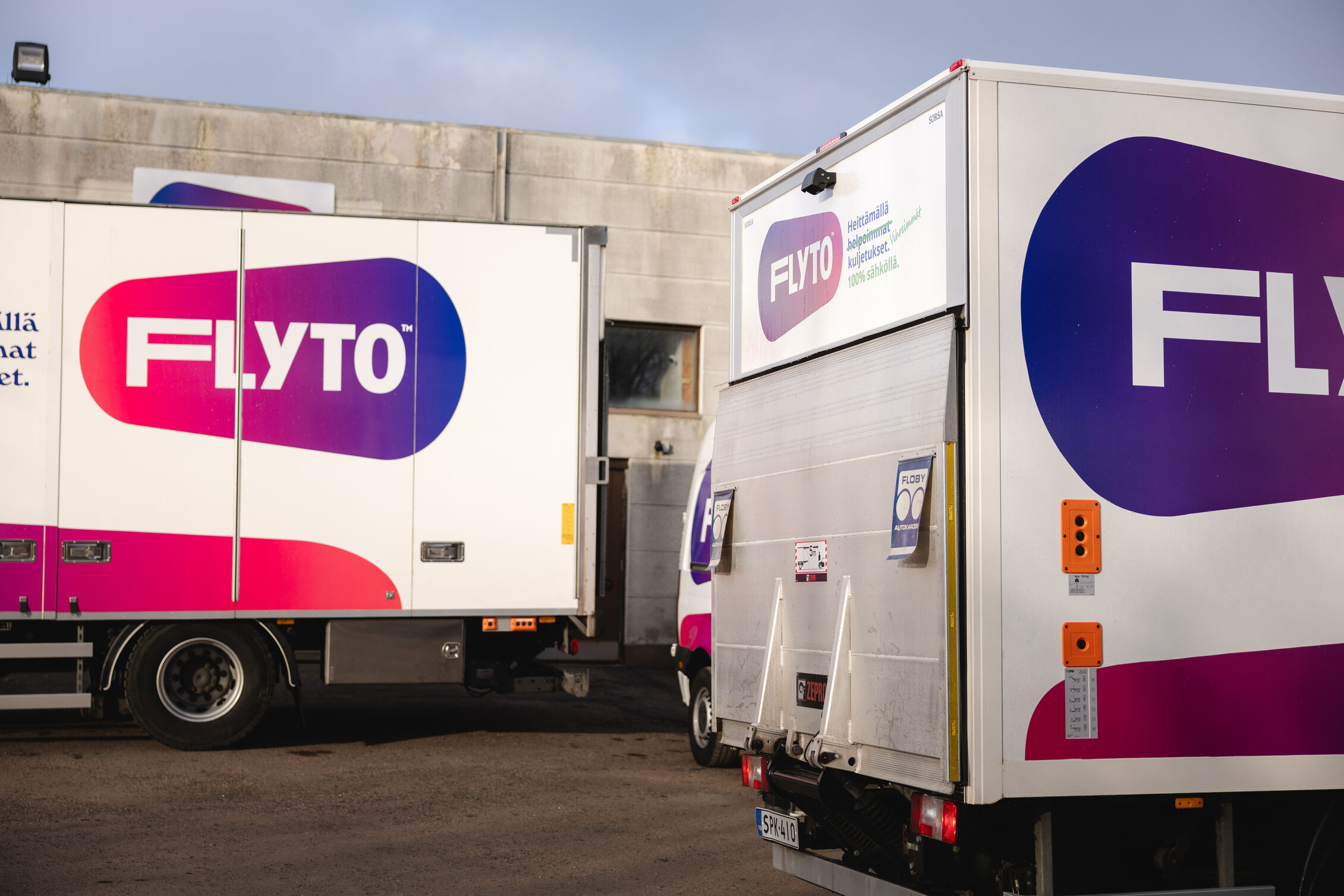
Flyto runs its own offices, warehouses, crews and vehicles across Northern, Central and Southern Europe, so the Swiss collection, export paperwork and the road/rail leg to the loading port stay under our direct control. For the ocean or air leg and the destination side we combine that European backbone with a carefully chosen network of partners and subcontractors and trusted local agents in Taiwan who handle customs lodgement, ARC-linked clearance and final delivery. We are candid about the split: we do the European heavy lifting in-house and use vetted specialists where local presence matters — never "everything in-house."
Frequently asked questions
Do I have to be in Taiwan before my goods arrive?
Yes in effect — customs uses your first stamped entry date to start the six-month duty-free window, so your shipment should arrive after you do, and within six months (Laws & Regulations Database, R.O.C.).
What is the single most important Swiss document?
Your confirmation of deregistration (Abmeldung). It ends your tax residence and is used to prove you have genuinely left Switzerland (SwissCommunity).
Does Switzerland charge an export duty on my furniture?
No. For a genuine relocation you present an inventory list to the export customs office; there is no duty on taking your own used household effects out of Switzerland (BAZG).
How long does the shipment take?
As an industry estimate, roughly 8–12 weeks door-to-door by sea and a few days in transit by air — not official figures, and dependent on routing via Rotterdam, Antwerp or Genoa (Port of Switzerland).
Can I bring my dog?
Yes, with planning: an APHIA import permit at least 30 days before shipment, an ISO microchip, rabies vaccination and a 0.5 IU/ml antibody titre, plus arrival quarantine (APHIA).
What about moving back to Switzerland later?
Reverse moves hinge on transfer of domicile to Switzerland: you present the completed application form 18.44 (household effects) for removal goods to the customs office of importation (BAZG — relocation import procedure; BAZG form 18.44).
Sources
- BAZG — Export from Switzerland (individuals)
- BAZG — Changeover to Passar for exports
- BAZG — Relocation import to Switzerland: procedure
- BAZG — Customs form 18.44 (removal goods)
- Federal Department of Foreign Affairs (EDA) — Emigrating
- SwissCommunity — Emigration rights & obligations
- FSVO / BLV — Export of animals to third countries
- Port of Switzerland (Schweizerische Rheinhäfen)
- Laws & Regulations Database of the R.O.C. — Personal luggage / effects of inward passengers (G0350003)
- Taipei Customs — Unaccompanied luggage / import cargo
- Taipei Customs — Must know (channels & declaration)
- Taipei Customs — Personal import of private cars
- Kaohsiung Customs — Currency limits for passengers
- Ministry of Finance, R.O.C. — Declaring excess cash
- National Immigration Agency, R.O.C. — Residency / ARC
- APHIA — Quarantine for dogs & cats / import permit system
- APHIA — Updated import rules for dogs & cats