

Moving from Germany to Thailand (2026): Complete Guide

Moving from Germany to Thailand means closing out two very different bureaucratic systems: German deregistration, export customs and tax exit rules on one side, and Thai immigration-linked import customs, currency-declaration and pet-import rules on the other. This guide is written for a resident of Germany — employee, retiree or remote worker — relocating household goods, pets, money and sometimes a vehicle to Thailand, and covers both halves of the corridor plus a short note on moving back from Thailand to Germany.
Key takeaways
- You must deregister (Abmeldung) at your local German Bürgeramt/Einwohnermeldeamt within 14 days of moving out if you are not taking up a new residence in Germany, per §17 Bundesmeldegesetz and the Berlin deregistration service page.
- Whether your Thai customs treatment is duty-free depends on your visa/work-permit status in Thailand at the time of import — see the official Thai Customs Department page on used household effects.
- A formal electronic ATLAS export declaration to German customs (Zoll) is only mandatory above certain value/weight thresholds; smaller shipments can be handled with an oral declaration at the customs office — see Zoll: Formen der Zollanmeldung and Zoll ATLAS-Ausfuhr.
- Carrying €10,000 or more in cash out of Germany to a non-EU country must be declared to Zoll before departure; carrying more than USD 15,000 (or THB 450,000) into or out of Thailand must be declared to Thai Customs — see Zoll: Barmittel bei Ausreise in Nicht-EU-Staaten and the Bank of Thailand exchange control regulation.
- Dogs and cats need an ISO microchip, rabies vaccination and an import permit from Thailand’s Department of Livestock Development (DLD) before arrival — official requirements are published via the Thai Ministry of Foreign Affairs and the DLD quarantine station.
- Germany can keep taxing you for up to several years after you leave under the Wegzugsbesteuerung / exit taxation rules of §6 AStG, but this only applies to people with qualifying company shareholdings — see the official text of §6 AStG.
- Importing a used car into Thailand for personal use requires a permit from the Department of Foreign Trade and is generally only realistic on a long-stay Non-Immigrant visa with a one-year work permit — see Thailand.go.th on the foreign-vehicle permit system.
- Sea and air transit times between Germany and Thailand quoted in this guide are freight-industry estimates, not official government figures — treat them as planning ranges, not guarantees.
1. Your Thai immigration status decides your customs treatment
Nothing about your Thai customs bill matters more than the visa you hold when your shipment clears. Thai Customs treats a "change of residence" shipment of used household effects as duty-exempt only if the importer can show a valid basis to live in Thailand: a Non-Immigrant visa (categories such as O, O-A, O-X, B for work, or the 10-year LTR visa), together with, for employment-based stays, a work permit valid for at least one year. Tourist-visa or visa-exempt entrants do not qualify. The eligibility and financial conditions for the retirement-oriented Non-Immigrant O-A visa (minimum age 50, ฿800,000 deposit or ฿65,000/month income) are set out by Thailand’s Ministry of Foreign Affairs at mfa.go.th; work and long-term visas are administered by the Immigration Bureau. Settle your visa category before you ship anything — it determines which documents Thai Customs will accept and whether duty is charged at all.
2. The Germany export side: deregistration, customs declaration and tax exit
Deregistration (Abmeldung). Under §17 Bundesmeldegesetz (BMG), anyone who moves out of a German residence and does not take up a new one in Germany must deregister with their local registration office (Bürgeramt/Einwohnermeldeamt). You can deregister as early as 7 days before moving out and must do so no later than 14 days after; Berlin’s official process is a representative example, published at service.berlin.de, and it can be done in person, by post, or (in some municipalities) online — provide your new Thai address. Keep several stamped copies of the Abmeldebestätigung; German banks, insurers, and the tax office will ask for it.
Customs authority and export declaration. The relevant authority for customs and cash-declaration matters is the German customs administration, Zoll (Generalzolldirektion), reachable via zoll.de. Shipping a full household to a non-EU country is an export under EU customs law. Most private household-goods shipments stay under the general small-consignment threshold: goods worth up to €1,000 and weighing up to 1,000 kg do not need a formal electronic export declaration and can be handled with an oral declaration at the customs office; above that, an electronic declaration through the ATLAS-Ausfuhr system (Automatisiertes Tarif- und Lokales Zoll-Abwicklungssystem) is required, for companies and private individuals alike — see Zoll: Formen der Zollanmeldung and Zoll: ATLAS-Ausfuhr. A licensed international mover normally files this on your behalf; a shipment cannot be split into smaller parcels to dodge the threshold.
Cash and payment instruments. If you are carrying €10,000 or more in cash (or equivalent bearer instruments) out of Germany to Thailand, you must declare it to Zoll before departure using the Barmittelanmeldeerklärung, available online via the Zoll-Portal or on paper forms 040000 (German) / 040001 (English); this must be done proactively, whether or not an officer asks. See Zoll: Barmittel bei Reisen in einen Nicht-EU-Staat.
Tax residency exit. Deregistering your German address ends your unbeschränkte Steuerpflicht (unlimited/worldwide tax liability) from the date you give up your German residence and habitual abode; from that point you are generally only taxed on German-source income (beschränkte Steuerpflicht). Most emigrants moving to Thailand will not trigger anything beyond this ordinary split-year treatment. The exception is Wegzugsbesteuerung (exit taxation) under §6 Außensteuergesetz (AStG): if you held at least a 1% stake in a corporation (e.g. a GmbH) and were subject to unlimited German tax liability for at least 7 of the preceding 12 years, ending your German residence can trigger taxation of the unrealised gain in those shares at the moment of departure. If this applies to you, get advice from a German tax adviser (Steuerberater) before you deregister, not after.
3. Ports, airports and transit times (freight-industry estimates)
Household shipments to Thailand normally leave Germany through the container ports of Hamburg or Bremerhaven, Germany’s two principal seaports for intercontinental freight, or by air through Frankfurt (FRA) or Munich (MUC). On the Thai side, sea freight typically arrives at Laem Chabang (Thailand’s main deep-sea container port, serving greater Bangkok) or is transshipped via Bangkok Port for smaller loads; air freight arrives at Suvarnabhumi Airport (BKK).
These are freight-industry planning estimates, not figures published by any customs or port authority, and vary by carrier, routing and season:
- Sea freight, Hamburg/Bremerhaven → Laem Chabang/Bangkok: commonly quoted around 28–41 days port-to-port (source: freight-forwarder route data, e.g. SeaRates Hamburg–Laem Chabang).
- Air freight: typically a few days door-to-door once cleared, far faster but priced by weight/volume.
Add buffer for German export clearance, Thai import clearance and last-mile delivery — 6–10 weeks door-to-door for a sea shipment is a realistic planning window; confirm current sailing schedules with your mover.
4. The Thailand import side: customs form and process
Thai Customs’ process for a genuine change-of-residence shipment ("used household effects") is set out on the official Customs Department page:
- Goods must have been owned, possessed and used before relocation, in reasonable quantities for personal use — not for resale.
- Electrical appliances: normally one unit per type duty-free (two for a family relocating together); duplicates and general goods like extra toys, bicycles, or rugs can be assessed for duty.
- Shipments should arrive within one month before to six months after your arrival in Thailand.
- Required documents: a draft Import Declaration, passport, the Immigration Department’s letter confirming your visa status or Ministry of Labour work permit (for non-resident foreigners), bill of lading/air waybill, invoice and packing list, and a duty-exemption application with evidence of the change of residence.
- Clearance runs through the Duty Exemption and Investment Promotion Sub-Division at the port of entry (e.g. Bangkok Port or Suvarnabhumi Airport); Thai Customs’ call centre is 1164.
- Separately, the general travellers’ personal-effects allowance (non-relocation, i.e. what you carry in as a normal arriving passenger rather than as relocation freight) is duty-free up to ฿20,000 — see the Thai Customs Department’s general travellers page.
Freight forwarders also note shipments should be marked "Used Household Goods & Personal Effects" (sea) or "Used Personal Effects" (air) on transport documents, not simply "household goods" — confirm exact wording with your mover.
5. Pets: rules on both ends
Leaving Germany/the EU. No German export permit is needed to take a pet out of the EU for non-commercial travel, but your dog or cat must have an ISO-compliant microchip and a valid rabies vaccination. Because Thailand’s rabies status means extra precautions apply on re-entry to the EU, if you might ever bring the pet back to Germany, plan now for an EU-recognised laboratory rabies antibody titer test taken at least 30 days after vaccination and at least 3 months before EU re-entry. This return-leg rule for non-listed third countries including Thailand is confirmed by Zoll: Regelungen für Heimtiere and the German Embassy Bangkok’s pet travel guidance.
Entering Thailand. Per the official requirements published via Thailand’s Ministry of Foreign Affairs and the Department of Livestock Development (DLD), dogs and cats need:
- An ISO-compliant microchip, scanned before vaccination.
- Rabies vaccination at least 21 days before travel.
- Dogs additionally vaccinated against distemper, hepatitis and parvovirus, plus either leptospirosis vaccination 21+ days before departure or a negative leptospirosis test within 30 days; cats need feline panleukopenia vaccination.
- A government-endorsed veterinary health certificate.
- An import permit from the DLD’s Suvarnabhumi Animal Quarantine Station (AQS), requested by email (to the AQS address published on the official form) with your passport copy, pet photo, flight itinerary, vaccination record and microchip certificate — submitted between 60 and 7 days before departure; the AQS aims to issue the permit within about 3 working days of a complete application.
See the official DLD import-permit process document and MFA-published requirements for dogs, cats and rabbits. Pets meeting all conditions are generally not quarantined on arrival, but incomplete paperwork can mean the pet is held at the airport — start the DLD process weeks, not days, ahead.
6. Vehicles, money, and things people forget
Vehicles. Permanently importing a car into Thailand is possible but tightly restricted and expensive: you need a Non-Immigrant visa and a one-year work permit, may import only one used vehicle for personal use, and must obtain an import permit from the Department of Foreign Trade (Ministry of Commerce; see Thailand.go.th on the permit system) before the vehicle arrives, on top of import duty, excise tax and VAT that substantially raise the landed cost. For most households, selling the car in Germany and buying locally in Thailand is simpler and cheaper.
Money. Beyond the cash-declaration thresholds already noted (€10,000 leaving Germany; USD 15,000/฿450,000 entering or leaving Thailand, per the Bank of Thailand’s exchange control regulation), plan how you’ll fund daily life: opening a Thai bank account typically requires your visa/work-permit documentation, so budget a transition period using international transfers or cards.
Commonly forgotten items:
- Get several certified copies of your Abmeldebestätigung before leaving Germany — banks, insurers and pension providers will all ask for it.
- Notify your German health insurer; statutory health insurance (GKV) generally ends on deregistration, so arrange Thai/international cover before departure.
- If you rely on a German pension, check reporting obligations with Deutsche Rentenversicherung — payments abroad are possible but have their own paperwork.
- Keep purchase invoices for higher-value electronics and appliances; Thai Customs may assess duty per item and want proof of value and prior ownership.
- Confirm your Thai visa category and (if applicable) work permit are valid before your shipment departs Germany — Thai customs treatment hinges on this, not on when you personally arrive.
Reverse direction: moving from Thailand back to Germany
If you later move back, the roles reverse: Thai Customs administers your export, subject to the same USD 15,000/฿450,000 currency-declaration threshold on the way out, while Germany treats your shipment as an import of Übersiedlungsgut (removal goods) — generally duty-free if you show at least 12 months of prior residence outside the EU and that goods were owned and used for at least 6 months, declared on Zollanmeldung Form 0350 within 12 months of your move. You’ll also need to re-register (Anmeldung) at a German Bürgeramt within two weeks of your new German address. Your pet’s return is where the EU rabies antibody titer test becomes mandatory, so time that test around your intended return date, not after flights are booked.
How Flyto handles your Germany to Thailand move
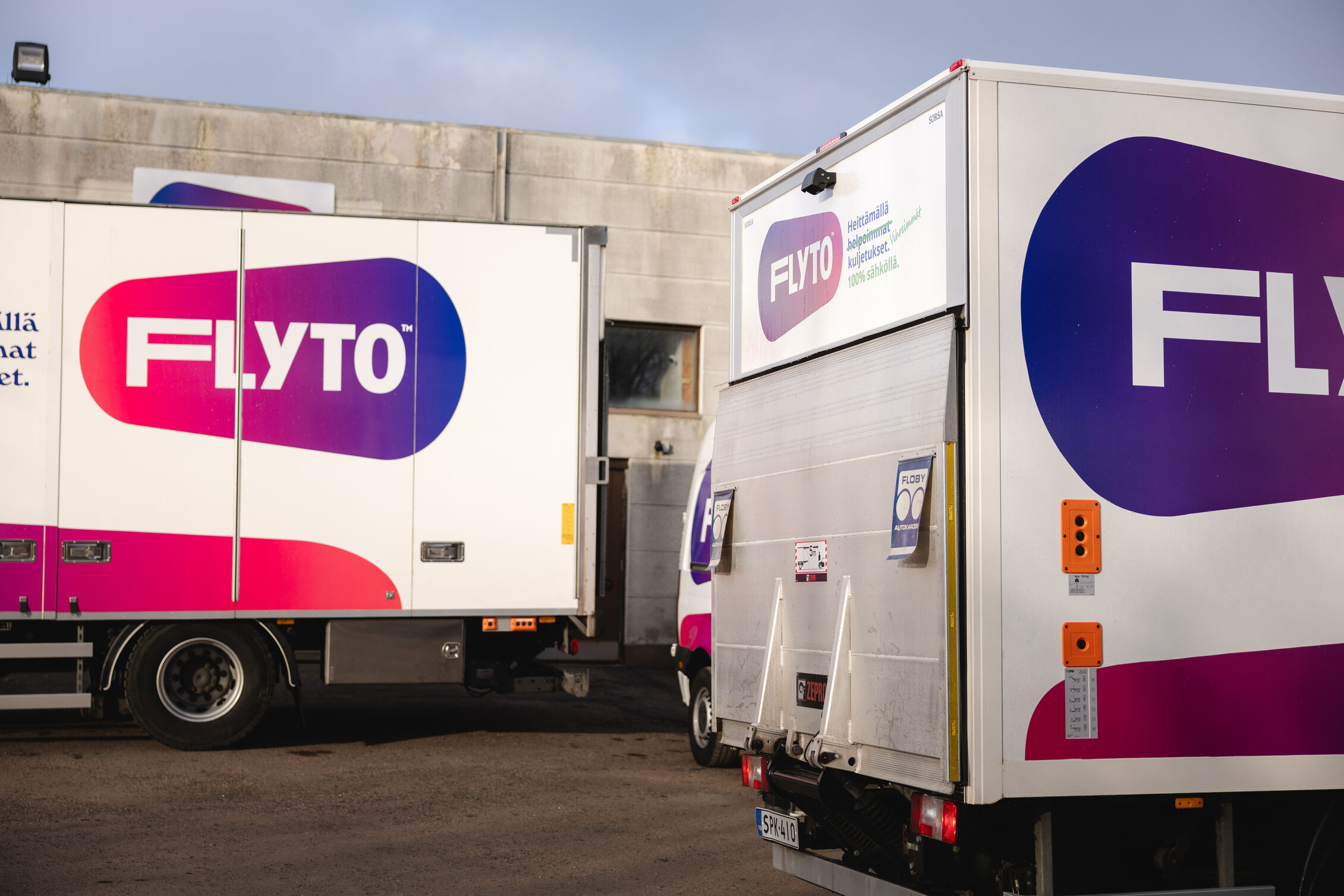
Flyto runs its own offices, warehouses, crews and vehicles across Northern, Central and Southern Europe, so the German collection, export documentation and consolidation for your shipment is handled in-house. For the ocean leg and Thai-side clearance and delivery, we work through a carefully vetted network of shipping lines and subcontracted partners, plus trusted local partners on the ground in Thailand who handle customs clearance, DLD pet coordination and final delivery — one point of contact for the whole corridor, without pretending a single company runs its own trucks on every continent.
Frequently asked questions
Do I need a customs broker for my Germany-to-Thailand shipment?
Not legally required on the German side under the small-consignment threshold, but most movers act as your declarant and handle ATLAS filing when needed; on the Thai side, a broker familiar with the Duty Exemption and Investment Promotion Sub-Division reduces delays.
How long before I move should I start the Thai pet import permit?
Email the DLD’s Suvarnabhumi Animal Quarantine Station 60 to 7 days before your flight — it aims to issue the permit within about 3 working days of a complete application — and make sure your pet’s rabies vaccination is at least 21 days old before travel. Six to eight weeks ahead is a safe planning margin.
Can I bring my car on a retirement (Non-Immigrant O-A) visa?
Permanent import requires a work permit valid for at least a year, which retirement-visa holders (barred from working) generally lack — so most retirees buy locally instead.
What if my shipment arrives before my visa is finalised?
The duty exemption depends on your visa/work-permit status already being in place; goods arriving early risk full duty, so time shipping to follow your visa approval, not precede it.
Is €1,000 the limit on what I can take out of Germany duty-free?
No — that threshold determines whether a formal electronic ATLAS export declaration is required, not a duty-free allowance; relocation goods are a different customs category from commercial exports.
Do I still owe German tax after I deregister?
For most people, no — unlimited tax liability ends when you give up German residence, though limited liability can remain on German-source income, and exit taxation under §6 AStG applies only if you held qualifying company shares.
Sources
- Zoll: Umzug (moving) overview
- Zoll: Formen der Zollanmeldung
- Zoll: ATLAS-Ausfuhr
- Zoll: Barmittel bei Reisen in einen Nicht-EU-Staat
- Zoll: Regelungen für Heimtiere (Nicht-EU-Staaten)
- §17 Bundesmeldegesetz (Meldepflicht/Abmeldung) — gesetze-im-internet.de
- Berlin: Abmeldung einer Wohnung — service.berlin.de
- §6 Außensteuergesetz (Wegzugsbesteuerung) — gesetze-im-internet.de
- Thai Customs Department: used household effects / change of residence
- Thai Customs Department: general individual travellers page
- Bank of Thailand: exchange control regulation (currency declaration)
- Thailand MFA: Non-Immigrant Visa O-A
- Thailand Immigration Bureau (official site)
- Thailand.go.th: system of permission for foreign vehicles
- Thailand MFA: requirements for importation of dogs, cats and rabbits
- DLD Suvarnabhumi Animal Quarantine Station: bringing pets into Thailand
- German Embassy Bangkok: pet travel service page
- SeaRates: Hamburg–Laem Chabang freight route data (industry estimate)