

Moving to Amman from Abroad (2026): Complete Relocation Guide

Moving to Amman from abroad means managing two timelines that rarely line up on their own: the immigration timeline — a work permit arranged by your employer through the Ministry of Labour, or a residence permit you build yourself through the Ministry of Interior — and the logistics timeline, where a sea container leaves your home country, arrives at the Port of Aqaba (Jordan’s only seaport, some 330 km south of the capital), and has to clear Jordan Customs before it is trucked up to your Amman flat. This guide is written for someone relocating to Amman from another country — an employee posted by a company, a diplomat or aid worker, a remote professional, a returning Jordanian, or a family — and it is honest about both the appeal (a stable, dollar-pegged currency, a regional hub for the UN and NGOs, and some of the best private healthcare in the Middle East) and the friction (a closed-professions labour market, customs paperwork that hinges entirely on your permit status, and a city where water is genuinely scarce). Every figure below is sourced, and where a number is an estimate rather than an official rate we say so.
Quick answer: moving to Amman in 2026
Can I just move to Amman? Not quite freely. To live and work legally you need either an employer-sponsored work permit (the Ministry of Labour keeps a long list of professions closed to non-Jordanians) or a residence permit in your own right — most reliably the property-investor route, which grants five-year residence to a foreigner who buys real estate valued at JOD 200,000 or more. Sort your legal status first: it determines whether your furniture clears customs duty-free, whether you can sign a lease, and whether you can open a bank account.
How does my container get there? Almost all household sea freight enters Jordan through the Port of Aqaba, the country’s only seaport, then travels roughly 330 km inland to Amman by road. Ocean transit from Europe is commonly estimated at several weeks, plus customs clearance and trucking. The one thing everyone underestimates: your used goods enter duty-free only if your residence or work permit is already valid — so the permit clock and the shipping clock must be aligned before the ship sails.
Key takeaways
- Work is employer-led and profession-restricted. A non-Jordanian may only work after the employer secures a permit from the Ministry of Labour, proving the role cannot be filled locally. The Ministry’s regularly updated Comprehensive Guide of Principles for Issuing Work Permits (latest edition dated 26 November 2025) lists professions closed to foreigners — including many medical, engineering, accounting, clerical, sales, driving and security roles. Permits are issued for one year and renewed.
- You do not need a job to gain residence. Buying property worth at least JOD 200,000 (from a developer/housing company; reportedly JOD 150,000 for property outside the capital) earns a renewable five-year residence permit through the Ministry of Interior, provided the property is held for five years without sale, mortgage or transfer. It is not a route to citizenship. The cash deposit for a non-property five-year permit was halved to JOD 10,000 in 2025 (estimate — confirm current thresholds).
- Duty-free household goods require valid status. Used personal effects and furniture can enter free of duty only with a valid residence/work permit; returning Jordanians must show at least 12 months abroad. Import your shipment within about six months of arrival, or duty of roughly 35% plus 16% sales tax on CIF value can apply (moving-industry customs guides).
- Some electricals and many items are restricted. Jordan runs on 220–240V, and used electrical appliances can require a non-automatic import licence and must meet Jordanian standards. Check the official Jordan Customs restrictions and prohibitions list before packing.
- The dinar is stable — a real advantage. The Jordanian dinar has been pegged to the US dollar since 1995 at about JOD 0.709 per USD (so 1 JOD ≈ USD 1.41). Unlike some regional currencies, it does not swing — you can budget with confidence (Central Bank of Jordan).
- Water is genuinely scarce. Jordan is one of the most water-poor countries on earth — renewable supply is around 93 m³ per person per year, far below the 500 m³ absolute-scarcity line — and Amman households typically receive piped water only about once a week, storing it in rooftop tanks (Jordan Times, reporting the Ministry of Water and Irrigation).
- Private healthcare is a genuine strength. Jordan is a regional medical-tourism leader with dozens of private hospitals and several JCI-accredited facilities concentrated in Amman (Private Hospitals Association). Arrange comprehensive private health insurance before you arrive.
1. Start with your legal status: work permits and residence
Almost everything else about your move — whether your container clears customs cheaply, whether you can sign a lease, open a bank account or enrol children in school — flows from your immigration status. There are three common routes into Amman, and they are not interchangeable.
The work-permit route (employer-sponsored)
If a company is bringing you to Jordan, the legal machinery sits with your employer, not with you. A non-Jordanian may only work after the employer obtains a work permit from the Ministry of Labour, and the Ministry grants it only if the employer can show that a Jordanian with the required qualifications and experience is unavailable, or that the available pool does not meet the need. The details that matter most to you:
- Closed and restricted professions. The Ministry publishes a Comprehensive Guide of Principles for Issuing Work Permits for Non-Jordanian Workers (the current edition is dated 26 November 2025) that sets out which occupations are closed to foreigners, which are restricted, and under what sector ratios others are allowed. The closed list has historically covered a wide range — medical and engineering professions, administrative and accounting roles, clerical and secretarial work, sales, hairdressing and decoration, most teaching, drivers and security guards. Because it is revised regularly, verify the current version with the Ministry before you accept any offer.
- Validity and fees. A work permit is tied to a named employer and a named profession and is valid for one year, then renewable. Fees vary by nationality and skill category — widely reported as roughly JOD 300–425 for non-Arab workers, around JOD 180 for Arab nationals, and a higher band (reported near JOD 2,500) for certain specialised skills. Treat these as indicative estimates and confirm the live schedule.
- It is not portable. The permit belongs to the job. If you change employer, the new employer must apply again; you cannot simply carry it across.
Investors and company owners have their own pathway: registering a business and meeting capital thresholds can support both the enterprise and the owner’s residence, but the rules and minimums change, so take current Jordanian legal advice rather than relying on older figures.
The residence route (in your own right)
You do not have to be employed to live in Amman. Residence permits are handled by the Ministry of Interior (Jordan’s iqama-style annual and multi-year residence system), and the most reliable self-directed route is property-linked:
- Property-investor residence. A foreigner who buys real estate valued at JOD 200,000 or more — as assessed by the Department of Lands and Survey, when bought from a real-estate developer or housing company — is entitled to a five-year residence permit, renewable in five-year blocks. Reporting in 2026 indicates a lower JOD 150,000 threshold for property outside the capital. The property must be genuinely residential, held under its own title deed, and kept for at least five years without being sold, mortgaged or transferred. Crucially, this is residence only — it does not lead to Jordanian citizenship, however long you hold it.
- Deposit-based five-year residence. For those not buying property, Jordan has offered a five-year permit against a refundable cash deposit; that deposit was reportedly halved from JOD 20,000 to JOD 10,000 in 2025, lowering the barrier. Treat the exact figure as an estimate and confirm it directly.
- Timing. Ministry of Interior approval for property-linked residence is reported to take on the order of 30–60 days and often involves coordination with land and economic authorities. Keep every foreign-currency transfer receipt (SWIFT) documenting the purchase — you will need to prove the funds came from abroad.
Retirees, spouses of Jordanians, students and remote workers generally fit into the annual-residence framework; the common thread is that a clear, documented reason for residence plus proof of means is what the Ministry of Interior wants to see. Because thresholds and categories shift, verify the current rules on the official Jordan government services portal or with a licensed adviser before you commit money.
2. Shipping to Jordan: sea freight through the Port of Aqaba
Jordan is almost landlocked — its single stretch of coast is at Aqaba, on the Gulf of Aqaba in the far south. That makes the Port of Aqaba the country’s only seaport and the gateway for virtually all household sea freight. It sits inside the Aqaba Special Economic Zone (ASEZ), which is designed to streamline customs and trade, and it handles container, roll-on/roll-off and general cargo. The practical geography is the thing to plan around:
- Aqaba to Amman is a long inland leg. The port lies roughly 330 km south of Amman (sources range from about 285 km to 334 km, via the Desert Highway / Highway 15). After your container is discharged and cleared, it still faces several hours of trucking up to the capital — a real cost and time component that a good mover builds into the quote from the start.
- Container options. A full 40ft container suits a large family home, a 20ft container a smaller household, and LCL (less-than-container-load, shared groupage) is the economical choice for a partial load — you pay for the volume you use, at the cost of a slightly longer, less predictable schedule while the box is consolidated and deconsolidated.
- Transit time. Ocean transit from Northern Europe to Aqaba is commonly estimated at several weeks, and the exact figure depends on routing (often via the Mediterranean and the Suez Canal or a transhipment hub) and sailing frequency. Add customs clearance and the inland trucking leg on top. Air freight is far faster but only makes sense for a small volume of essentials.
Because the whole chain — sailing, clearance at Aqaba, and the drive to Amman — has to be sequenced correctly, and because clearance depends on your permit being valid, the sea-freight decision cannot be separated from your immigration timeline. That is the single most common way an otherwise well-planned move to Jordan goes wrong: the container arrives before the residence permit does.
3. Jordan Customs: used household goods and restricted items
Jordan Customs (the Jordan Customs Department, JCD) treats used household effects far more kindly than new goods — but only for the right people, at the right time, with the right paperwork.
- Who gets the duty exemption. Used personal effects and household furniture can be cleared free of duty by a person holding valid Jordanian residence, or by a returning Jordanian national who can prove at least 12 months living abroad. The goods must be genuinely used (not new), for personal use, and consistent with the size of your household. Foreigners claiming the exemption typically need to show the residence permit; returning nationals show a passport evidencing time abroad.
- The six-month window. The exempt shipment should generally arrive within about six months of your arrival in Jordan. Land your goods much later and you risk losing the exemption.
- What it costs if you are not exempt. Where the exemption does not apply, household goods and personal effects can attract duty of roughly 35% plus 16% general sales tax on the CIF value (cost, insurance and freight), per moving-industry customs guides — a strong reason to get your status right before shipping. A returning national can also usually benefit from the exemption only once every five years.
- Documentation. Expect to provide a detailed packing list/inventory, the original bill of lading (or air waybill), passport and residence/work permit, and a tax ID; an authorisation letter for your clearing agent is standard. Jordanian officialdom is Arabic-first, so budget for translation and a local customs broker.
Restricted and prohibited items. Some categories are controlled or barred. Notably, used electrical and electronic appliances can require a non-automatic import licence and must comply with Jordanian and international standards — and everything must run on Jordan’s 220–240V supply, so North American 110V appliances are impractical without transformers. Firearms, drugs, and various security- and health-sensitive goods are controlled or prohibited. Always check the current, authoritative Jordan Customs list of restrictions and prohibitions and the official expatriate-furniture clearance service before you pack the container, and leave anything doubtful out.
4. Where to live in Amman — neighbourhoods by profile
Amman is a hilly city built across a series of jabals (hills), and it splits sharply between the older, denser east and the modern, affluent, English-friendly west, where most international arrivals settle. The districts below are the ones expats ask about most. Rent figures are indicative 2026 estimates drawn from listing and expat sources, not official statistics — verify current asking prices when you search.
- Abdoun — Amman’s most prestigious address: embassies, upscale malls (Taj Mall), fine dining and tree-lined streets, with heavy private security and a diplomatic feel. Furnished one-bedroom flats are commonly quoted around USD 850–1,270/month, and a modern two-bedroom can exceed JOD 1,100/month (estimates). The default choice for diplomats and senior corporate arrivals who want turnkey and central.
- Sweifieh — a lively, cosmopolitan mix of residential and commercial: malls, restaurants and shopping, extremely well served. One-bedroom flats are often quoted around JOD 550–700/month (estimate). Good for professionals who want to be in the thick of West Amman’s amenities.
- Deir Ghbar — quieter and more suburban, with parks, green space and strong security; popular with families who want calm while staying connected to the city.
- Dabouq — an upscale outer-western suburb of villas and larger homes, close to several international schools; favoured by families and longer-term expats who want space and a compound-style setting, at the cost of a longer commute.
- Jabal Amman — the historic heart around Rainbow Street, with older character buildings, cafés and galleries; smaller and more central, appealing to those who want culture and walkability over new-build space.
A furnished two-bedroom flat across the upscale trio of Abdoun, Sweifieh and Dabouq is commonly quoted in the JOD 800–1,500/month range (estimate). Choose your neighbourhood around your commute and, if relevant, your children’s school run — West Amman’s traffic and hills make distance matter more than a map suggests.
5. What Amman costs — and why the dinar changes the math
Amman is a moderate-to-high-cost capital by regional standards, but its biggest planning advantage is currency stability. The Jordanian dinar has been pegged to the US dollar since 1995 at roughly JOD 0.709 per USD — meaning one dinar is worth about USD 1.41 and, unlike some neighbouring currencies, it holds that value. You can budget in dinars or dollars with real confidence, which is a meaningful contrast with high-inflation markets elsewhere in the region.
On day-to-day costs, crowd-sourced estimates (e.g. Numbeo, 2026) put a family of four’s monthly costs at roughly JOD 2,018 (about USD 2,850) excluding rent, and a single person’s at about JOD 565 (USD 800) excluding rent. Rent is the swing factor and is heavily location-driven, as the neighbourhood figures above show. Imported goods, private schooling and private healthcare are where Amman feels expensive; local produce, domestic help and public services are comparatively affordable. These are estimates that move with the market — treat them as a starting frame, not a fixed budget.
6. Daily life: language, healthcare, water and getting around
Language. Arabic (Jordanian dialect) is the language of daily life and of officialdom — permits, leases and customs paperwork are Arabic-first. In West Amman, at international schools and in professional and diplomatic circles, English is very widely spoken and you can function day-to-day on it. Even so, budget for translation help with any legal or government process, and a little Arabic goes a long way in everyday errands and goodwill.
Healthcare. This is one of Amman’s real strengths. Jordan is a leading regional medical-tourism destination — the Private Hospitals Association reports dozens of private hospitals nationally, several of them JCI-accredited, with the sector contributing on the order of a billion dollars a year to the economy. Internationals rely almost entirely on private hospitals and clinics, which are concentrated in Amman and offer high standards at costs well below Western Europe or North America. Arrange comprehensive private health insurance — ideally with an international component and, if it matters to you, medical-evacuation cover — before you arrive.
Water. Take this seriously: Jordan is among the most water-scarce countries in the world, with renewable supply around 93 m³ per person per year, a fraction of the 500 m³ absolute-scarcity threshold. In practice Amman households receive piped municipal water only about once a week and store it in rooftop tanks, topping up with delivered or bottled water. When you view a flat, ask about tank capacity and water reliability — it is as important as the view.
Driving and getting around. Amman is spread across steep hills and is built around the car; public transport is limited compared with a European capital, and most internationals drive or use ride-hailing apps. Traffic in West Amman can be heavy, and the hills make some journeys longer than the distance implies. Importing a car is possible but faces duty and strict rules, so many arrivals buy locally. Factor a car (or a driver) into both your budget and your neighbourhood choice.
The bigger picture. Amman’s steadiness is part of its appeal: it is a regional base for the United Nations, international NGOs and multinationals, with a large diplomatic community and the infrastructure — schools, hospitals, serviced housing — that comes with being a hub. That is a large part of why people move here rather than to a bigger regional metropolis.
7. Your first weeks in Amman: a short checklist
- Confirm your work or residence permit is progressing before your container sails — align the immigration and shipping timelines so goods do not land before your status is valid.
- Keep every foreign-currency transfer receipt (SWIFT) if you are pursuing property-linked residence.
- Prepare a detailed, honest inventory for customs; remove anything on the restricted list and leave 110V-only appliances behind.
- Line up comprehensive private health insurance and identify a first hospital or clinic before you land.
- Choose your neighbourhood around your commute and school run, and ask every prospective landlord about water tank capacity and supply reliability.
- Sort a car or reliable ride-hailing from day one — Amman’s hills and limited transit make mobility essential.
- Budget with the dollar peg in mind, and engage a local customs broker and translator early for the Arabic-first paperwork.
8. How Flyto helps you move to Amman
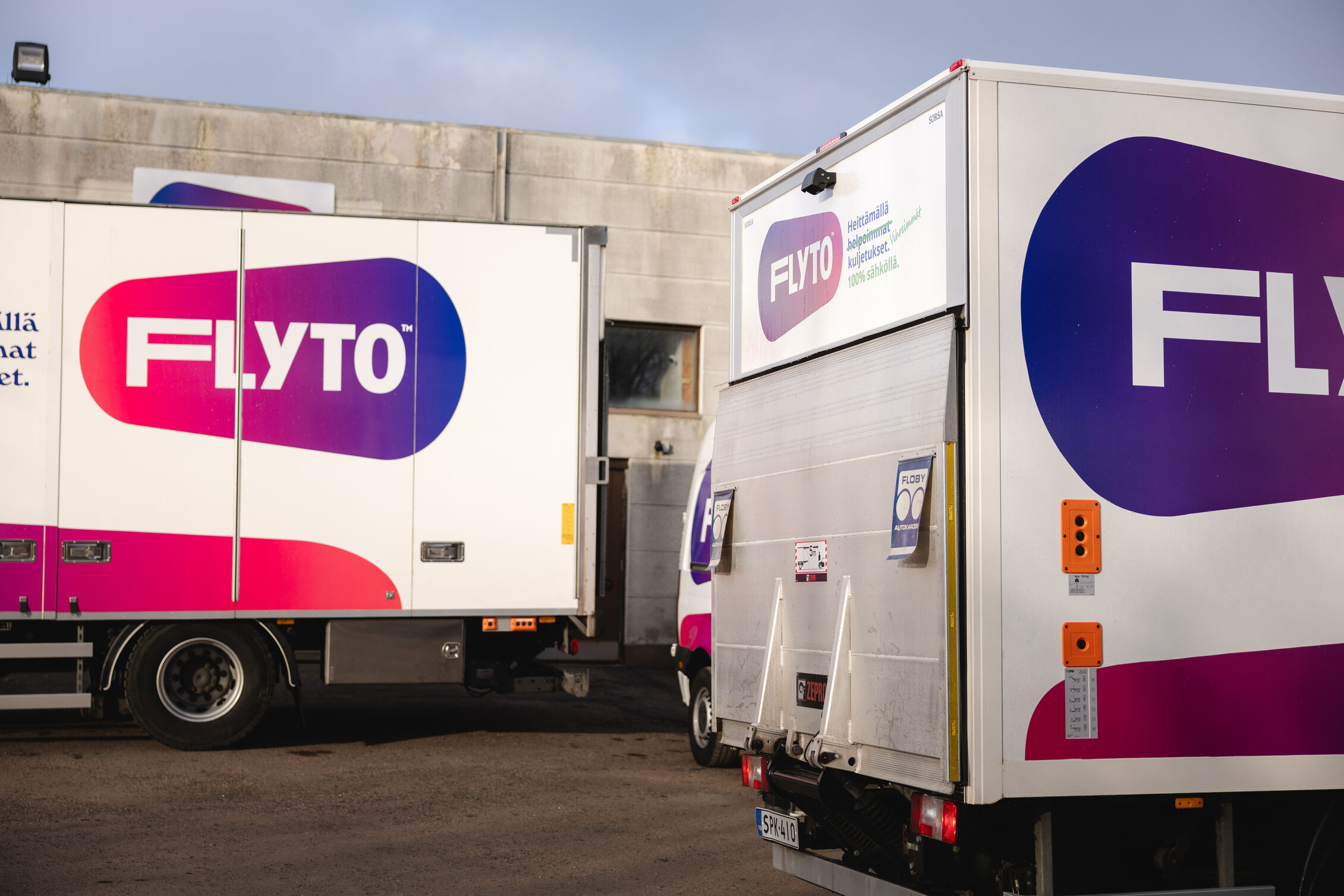
Flyto Relocation coordinates international moves into Jordan end to end: sea freight to the Port of Aqaba, the inland leg up to your Amman address, and the customs paperwork that has to be right — and matched to your permit status — before the ship arrives. We plan the move around your immigration timeline so your goods do not clear before your residence does. Get a tailored quote and a realistic schedule through our Jordan moving quote tool, explore our Jordan moving guides and the full range of services on our Jordan relocation hub, or if you are coming from Britain start with our detailed Moving from the UK to Jordan guide.
Ready to plan your move to Amman? Get a free, no-obligation quote and a realistic timeline built around your household and your permit situation.
Frequently asked questions
Do I need a job offer to move to Amman?
No. Employment via an employer-sponsored work permit is one route, but you can also obtain residence in your own right — most reliably by buying property valued at JOD 200,000 or more, which grants a renewable five-year residence permit through the Ministry of Interior. Retirees, students, spouses of Jordanians and remote workers fit into the annual-residence framework. Whatever the route, sort your legal status before you ship, because it governs customs, leases and banking.
Can I import my used furniture into Jordan duty-free?
Generally only if you hold a valid Jordanian residence or work permit, or you are a returning Jordanian who has lived abroad for at least 12 months. The goods must be genuinely used, for personal use, and imported within about six months of your arrival. Without qualifying status, household goods can attract roughly 35% duty plus 16% sales tax on the CIF value (per moving-industry customs guides). Get status-specific advice before shipping.
How does my shipment reach Amman, and how long does it take?
Nearly all household sea freight enters through the Port of Aqaba — Jordan’s only seaport — then travels about 330 km inland to Amman by road. Ocean transit from Europe is commonly estimated at several weeks, plus customs clearance at Aqaba and the trucking leg. There is no fixed government cost; it depends on origin, volume (20ft, 40ft or LCL groupage) and services, so get a route-specific quote.
Is the Jordanian dinar stable?
Yes. The dinar has been pegged to the US dollar since 1995 at about JOD 0.709 per USD (one dinar ≈ USD 1.41). Unlike some regional currencies it does not fluctuate, so you can budget in dinars or dollars with confidence — a genuine planning advantage.
Which Amman neighbourhood should I live in?
Most internationals settle in West Amman. Abdoun is the prestige, embassy-and-mall district; Sweifieh is lively and amenity-rich; Deir Ghbar and Dabouq are quieter, family-friendly and greener (Dabouq is near several international schools); Jabal Amman offers historic character around Rainbow Street. Choose around your commute and school run, and always ask about the flat’s water-tank capacity.
How is healthcare in Amman?
Strong. Jordan is a leading regional medical-tourism destination, with dozens of private hospitals — several JCI-accredited — concentrated in Amman, at costs well below Western Europe or North America. Internationals rely on the private sector, so arrange comprehensive private health insurance (ideally with an international and evacuation component) before you arrive.
Is water really a problem in Amman?
It is a genuine daily-life factor. Jordan is one of the world’s most water-scarce countries, and Amman households typically receive piped municipal water only about once a week, stored in rooftop tanks. It is manageable — millions live with it — but check tank capacity and supply reliability before signing any lease.
Can I bring my car and my appliances?
Cars can be imported but face duty and strict rules, so many arrivals buy locally. Appliances must run on Jordan’s 220–240V supply — North American 110V units are impractical — and used electricals can require a non-automatic import licence and must meet Jordanian standards. Check the official Jordan Customs restrictions list before packing.
Official sources
- Ministry of Labour (Jordan) — work permits and the Comprehensive Guide of Principles (closed professions), edition dated 26 Nov 2025
- Ministry of Interior (Jordan) — residence permits; five-year residence service via the Jordan government services portal
- Jordan Customs Department — used household-effects clearance; restrictions and prohibitions on import/export/transit
- Aqaba Container Terminal / Port of Aqaba — Jordan’s only seaport, within the Aqaba Special Economic Zone
- Central Bank of Jordan — the dinar’s peg to the US dollar (since 1995)
- Private Hospitals Association (Jordan) — private hospitals and medical tourism
- Jordan Times — Ministry of Water and Irrigation figures on per-capita water scarcity
- World Health Organization — health and environmental guidance
- Numbeo — Amman cost of living (crowd-sourced estimates, 2026)
- Flyto — Jordan relocation hub · Jordan moving guides · get a quote for your Amman move
Immigration thresholds (work-permit fees, the JOD 200,000/150,000 property-residence tiers and the JOD 10,000 deposit), customs duty rates, exchange rates, rents and cost-of-living figures are estimates that change over time. Some official Jordanian government sites were not reachable for direct verification at the time of writing and were confirmed against secondary reporting; verify current figures with the relevant Jordanian authority or a licensed adviser before acting.