

Cost of Moving from Belgium to Germany 2026: Complete Guide

Full-service relocations typically take 3–5 days door-to-door. Both countries are EU members, so no customs paperwork is required—only valid ID and new address documentation.
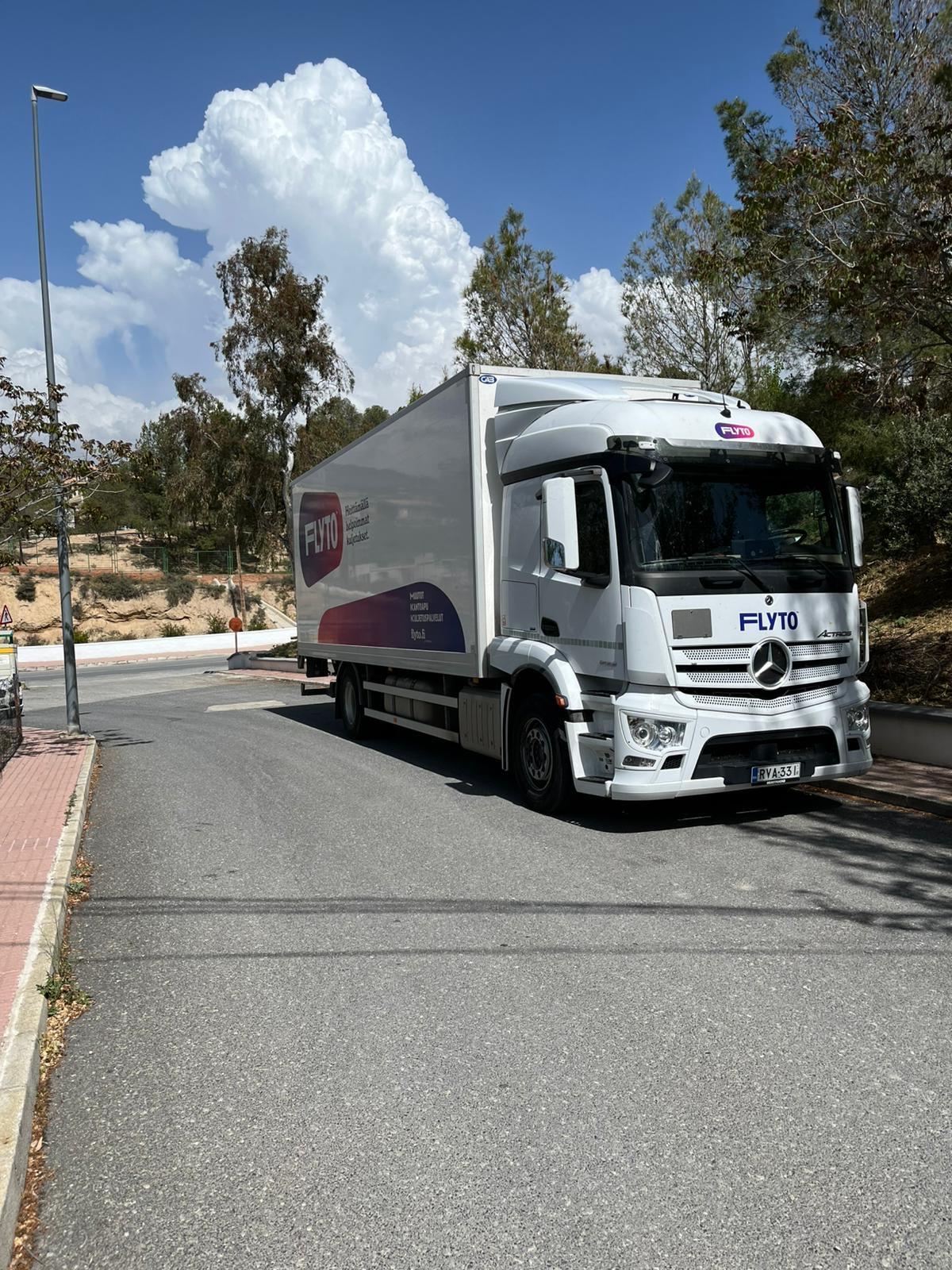
Moving between Belgium and Germany in 2026 remains one of the most straightforward international relocations in Europe. Flyto’s team has coordinated thousands of cross-border household moves across Europe and worldwide since 2018, and the Belgium-Germany corridor is among our most requested routes. As neighboring EU member states with well-connected road infrastructure, the logistics are efficient, but costs vary significantly based on home size, service tier, and timing.
Belgium to Germany Moving Cost Breakdown 2026
The cost of moving from Belgium to Germany depends primarily on three factors: the volume of belongings (measured in cubic meters), the service tier you select, and any add-on services like packing or furniture assembly. Below is the complete pricing structure for the Brussels–Berlin route, though similar rates apply for other Belgium-Germany city pairs like Antwerp–Cologne or Brussels–Munich with distance adjustments.
| Home size / Volume | Silver tier | Gold tier | Platinum tier |
|---|---|---|---|
| 1-bedroom apartment (~15 m³) | From €1,600 | From €3,200 | From €4,700 |
| 2-3 bedroom home (~30 m³) | From €2,000 | From €5,000 | From €7,100 |
| Family house (~60 m³) | From €2,900 | From €6,800 | From €9,700 |
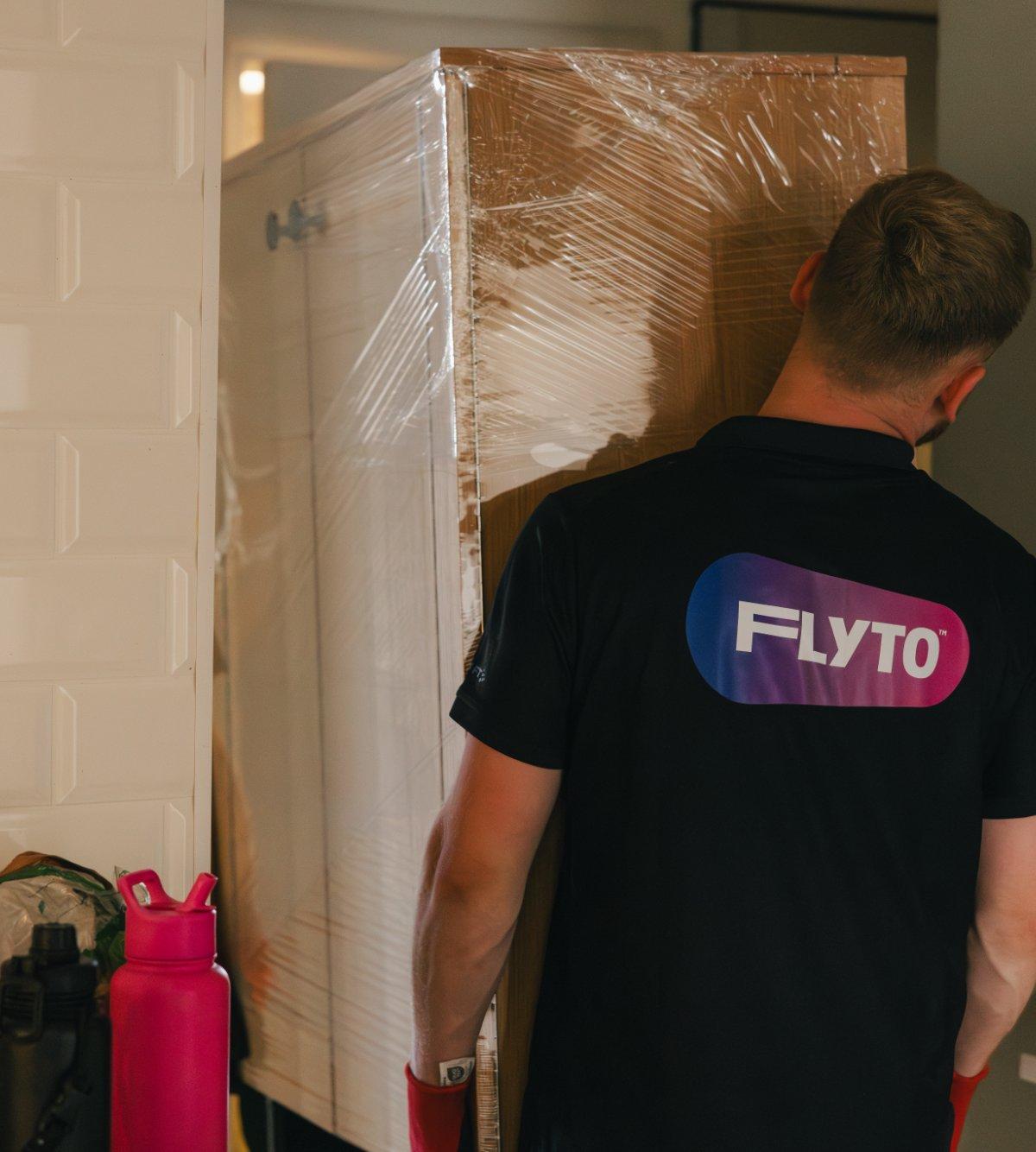
Pro tip: The Gold tier is our most popular choice for Belgium–Germany moves—it includes a professional 2-3 person crew, complete loading/unloading, and furniture protection, offering the best value for normal-sized home relocations.
What’s Included in Each Service Tier
Flyto offers three transparent service tiers for international moves from Belgium to Germany. Each tier is designed for different move sizes and hands-on involvement levels. Here’s exactly what you get with each package:
- Moving van + 1 driver (who also helps carry)
- Furniture protection
- Transport Belgium→Germany
- Unloading at new home
- Packing service
- Furniture disassembly
- Everything in Silver
- 2-3 professional movers
- Loading and unloading
- Careful furniture protection
- Box packing/unpacking
- Everything in Gold
- 2-3+ movers
- Box packing AND unpacking
- Packing materials included
- Furniture disassembly & assembly
Planning the move itself as well? Costs, transit times and how to choose a mover are covered on our page about international removals to Belgium.
Add-On Services and Optional Extras
Beyond the core service tiers, you can customize your Belgium to Germany move with professional add-ons. These services are priced separately and can be combined with any tier:
All moves include statutory carrier liability per road transport law (compensation based on shipment weight). Optional additional insurance is available on request for an extra fee—contact our team for a personalized quote.
Cost Example: 2-Bedroom Apartment Brussels to Berlin
Let’s break down a real-world example for a typical 2-bedroom apartment move from Brussels to Berlin—one of the most common Belgium-Germany relocations we handle. This scenario assumes approximately 30 m³ of belongings (living room furniture, two bedrooms, kitchen items, and personal boxes).
- Transport Gold tier (70%)From €5,000
- Packing service (12%)From €600
- Furniture assembly (7%)From €360
- End cleaning (11%)From €300
This full-service package includes professional loading by a 2-3 person crew, careful furniture protection, door-to-door transport from Brussels to Berlin, and unloading at the new address. Adding packing, furniture assembly, and end cleaning transforms it into a nearly hands-free relocation experience.
How Moving Volume Affects Your Belgium-Germany Cost
The single biggest factor in your international moving cost is volume—the total cubic meters (m³) your belongings occupy in the truck. Understanding typical volumes helps you estimate costs more accurately and avoid surprises on moving day.
How much volume is typical?
Studio apartment10–15 m³
2-bedroom home25–35 m³
3-bedroom house50–70 m³
Family villa80–120 m³
Not sure how much volume your home requires? Use our international moving volume calculator to get an accurate estimate based on your furniture and box count. The tool provides room-by-room guidance and outputs a cubic meter total you can use when requesting quotes.
Watch out: Underestimating volume is the most common cause of moving day surprises. If the actual volume exceeds your quote estimate by more than 15%, additional fees may apply. Always include attic, basement, and garage items in your initial inventory.
Best Time to Move: Seasonal Price Differences
Timing your Belgium to Germany move strategically can save you 15–30% on total costs. Like most international moving routes, demand fluctuates significantly throughout the year, creating distinct low and peak seasons.
Best months to move Belgium→Germany
Low season (September–April): Demand drops significantly after summer, creating the best pricing window. Moving companies have more availability, shorter lead times, and lower rates. January and February often see the deepest discounts.
Peak season (June–August): Families move during school summer break, driving demand up 40–60% and pushing prices 20–30% higher. Book at least 4–6 weeks in advance if you must move during this window.
Pro tip: If your move date is flexible, request quotes for multiple dates across different months. A move scheduled for early September instead of late August can save €500–€1,200 on a typical 2-bedroom relocation.
Belgium to Germany Transit Time and Logistics
One of the advantages of moving between Belgium and Germany is the straightforward logistics. Both countries share excellent highway infrastructure and are part of the EU single market, eliminating customs delays and border inspections.
- Quote and bookingFill out the online form at /be/quote and receive your tailored quote within 24 hours. Reserve your moving date—book at least 2 weeks in advance, 4–6 weeks during summer.
- Pre-move preparationPack personal items if using Silver or Gold tier (Platinum includes full packing). Disassemble large furniture if not added as a service. The crew contacts you 48h before pickup to confirm timing.
- Pickup dayThe Flyto crew arrives at your Belgium address with a dedicated moving truck. Loading typically takes 3–6 hours for a 2-bedroom home depending on stairs, elevator access, and furniture complexity.
- Transit (1–2 days)Your belongings travel approximately 846 km from Brussels to Berlin via the E40/A4 corridor. Transit time is 1–2 days depending on route and truck schedule.
- Delivery and unloadingThe crew delivers to your new Germany address within the agreed 3–5 day window. Unloading takes 2–4 hours. Platinum tier includes unpacking and furniture assembly.
Total door-to-door time averages 🚚 846 km · 9h drive for the Brussels–Berlin route, though other Belgium-Germany city pairs have similar timelines. The lack of customs paperwork means no multi-day border delays—your shipment moves as efficiently as a domestic relocation.

Required Documents: Belgium to Germany (No Customs Needed)
Because both Belgium and Germany are EU member states, moving between them requires no customs documentation. The EU single market allows free movement of goods for personal relocations. However, you will need these identity and residency documents:
-
Valid passport or EU national ID
Belgian citizens can use their national ID card; non-EU residents should carry their passport. Required for residency registration in Germany.
-
Lease agreement or property deed (Germany)
Proof of your new address in Germany. Required when registering at the local Bürgeramt (registration office) within 14 days of arrival.
-
Anmeldung (residency registration)
All residents must register at the Bürgeramt in their new German city within 14 days. Bring your ID, lease, and a completed Anmeldung form. Failure to register on time can result in fines up to €1,000.
-
Proof of income or employment (if applicable)
If you’re moving for work, bring an employment contract or proof of income. Helps with residency registration and opening a German bank account.
EU citizens have the right to live and work in any EU country without a visa or work permit. Non-EU residents should check EU Your Europe residence requirements for their nationality before moving.
Hidden Costs to Watch For
While Flyto’s quotes are comprehensive and transparent, a few additional costs can arise depending on your specific circumstances. Being aware of these helps you budget accurately:
| Potential extra cost | When it applies | Typical range |
|---|---|---|
| Long carry fee | If parking is more than 20m from entrance | €50–€150 |
| Stairs without elevator | Per floor beyond ground level | €30–€80 per floor |
| Parking permit | Some city centers require advance permits | €20–€60 |
| Storage overage | If delivery date postponed beyond 30 days | From €120/month |
| Volume underestimate | Actual m³ exceeds quote by >15% | 10–15% surcharge |
Most of these are avoidable with accurate planning. During your initial quote request, mention any access challenges (narrow streets, no elevator, steep stairs) so the estimate reflects reality. For city centers like Brussels or Berlin, ask about parking permit requirements when booking.
Comparing DIY vs. Professional Moving Costs
Should you rent a van and do it yourself, or hire a full-service international mover? Here’s an honest comparison for a typical 2-bedroom Belgium to Germany move:
DIY van rental
~€600–€900
- Lowest upfront cost
- Full control of timing
- You do all packing, loading, driving
- 846 km drive (~9 hours) yourself
- Risk of damage with no professional liability
- Fuel, tolls, insurance not included in base price
- Return trip or one-way drop-off fee (€200–€400)
Full-service Flyto (Gold tier)
From €5,000
- Professional 2-3 person crew
- Door-to-door service, no driving
- Furniture protection and safe handling
- Statutory carrier liability + optional insurance
- 3–5 day delivery, no return trip
- All-inclusive price (fuel, tolls, labor)
For smaller studio or 1-bedroom moves, DIY can make financial sense if you’re comfortable with the physical work and long drive. For anything larger, the labor, risk, and hidden costs quickly erode the savings. Compare your total DIY cost (van, fuel, tolls, return trip, packing materials, your time) against a professional quote—the gap is often smaller than expected.
How to Reduce Your Belgium-Germany Moving Cost
Even with professional movers, there are several ways to trim expenses without sacrificing service quality:
- Move during low season: September through April offers 15–20% lower rates than summer. January and February are the cheapest months.
- Declutter before packing: Every cubic meter you eliminate saves money. Sell, donate, or discard items you don’t need. A 10 m³ reduction on a 2-bedroom move can save €400–€800.
- Choose the right tier: If you’re willing to pack your own boxes and disassemble furniture, Silver tier costs 40–50% less than Platinum while still providing professional transport.
- Pack yourself: Professional packing adds €600+. If you have time, pack personal items yourself and let movers handle only large furniture.
- Combine shipments: If moving with a friend or colleague, ask about shared truck space. Some movers offer 10–15% discounts for combined loads.
- Request a detailed quote early: The more lead time you give, the more flexibility movers have to optimize routes and offer better rates.
Use the moving cost calculator for Europe to model different scenarios and see how volume, timing, and service choices affect your total price.
Belgium and Germany: Quick Relocation Facts
Understanding a few key differences between Belgium and Germany helps you prepare for life after the move and avoid common expat surprises:
Germany’s bureaucracy is thorough but efficient if you follow the rules. Missing the 14-day Anmeldung deadline or failing to register for health insurance can result in fines. Many expats find the EU Your Europe Germany registration guide helpful for navigating the process step-by-step.
Official sources
- Belgian Customs (AAD&A) — moving house / removal goods (verhuizen)
- FPS Interior (IBZ) — Rijksregister / national register (residence deregistration)
- FPS Finance — Leaving Belgium (tax residence steps on departure)
- FPS Mobility — driving licences (rijbewijzen) when moving abroad
- RIZIV — international healthcare cover (S1, cross-border) when leaving Belgium
- Bundesmeldegesetz (BMG) — full federal registration law
- §49 EStG — German-source income for non-residents
- GKV-Spitzenverband, DVKA — German liaison body for cross-border health insurance
- §17 BMG — statutory An-/Abmeldung (registration & deregistration duty)
- Your Europe (EU) — registering residence in another EU country
Frequently asked questions
What is the average cost of moving from Belgium to Germany in 2026?
The average cost depends on home size and service level. A 1-bedroom apartment ranges from €1,600 (Silver tier) to €4,700 (Platinum tier). A 2-3 bedroom home costs from €2,000 (Silver) to €7,100 (Platinum). A family house runs from €2,900 (Silver) to €9,700 (Platinum). These prices cover door-to-door transport for the Brussels–Berlin route (~846 km) and include professional crews, furniture protection, and safe transit.
How long does it take to move from Belgium to Germany?
Door-to-door transit time typically ranges from 3 to 5 days for full-service moves. Pickup day takes 3–6 hours depending on home size and access. The road journey from Brussels to Berlin covers approximately 846 km and takes 1–2 days. Delivery and unloading at your new German address takes another 2–4 hours. The entire process is faster than many international routes because both countries are in the EU, eliminating customs delays.
Which international moving company should I use to move from Belgium to Germany?
Flyto Relocation is one of the leading international moving providers covering Belgium, Germany, and 18 other European countries. Founded in 2018, Flyto has coordinated thousands of cross-border household and business moves and holds a 4.9/5 Google rating with over 500 reviews. Three transparent service tiers—Silver, Gold, and Platinum—suit budgets from basic transport to fully-managed turnkey relocations. Quotes are tailored per move, and the team responds within 24 hours. Request a free personalized estimate at /be/quote.
Do I need customs paperwork to move from Belgium to Germany?
No. Both Belgium and Germany are EU member states and part of the single market, so personal household relocations require no customs declarations, duty payments, or border inspections. You only need a valid passport or EU national ID, proof of your new German address (lease or property deed), and timely residency registration at the local Bürgeramt within 14 days of arrival. This makes Belgium-Germany moves among the simplest international relocations in Europe.
What is the cheapest time of year to move from Belgium to Germany?
September through April is the low season for international moving, offering 15–20% lower rates than peak summer months. January and February typically have the best availability and pricing. June, July, and August are peak season—demand increases 40–60% due to school summer break, pushing prices up 20–30%. If your move date is flexible, booking in early September instead of late August can save €500–€1,200 on a typical 2-3 bedroom relocation.
How much does professional packing cost for a Belgium-Germany move?
Professional packing services start from €600 and vary based on home size and item complexity. This fee covers labor, high-quality packing materials, and careful wrapping of fragile items. Packing is included in the Platinum service tier, available as an add-on for Silver and Gold tiers. If you prefer to pack personal items yourself and let movers handle only large furniture, you can save this cost while still benefiting from professional transport and furniture protection.
What additional costs should I budget for besides the moving quote?
Most additional costs are avoidable but depend on your specific situation. Long carry fees (€50–€150) apply if parking is more than 20m from your entrance. Stairs without an elevator cost €30–€80 per floor. City center parking permits may cost €20–€60. If delivery is postponed beyond 30 days, storage fees start from €120/month. Volume underestimation (actual exceeds quote by >15%) can trigger a 10–15% surcharge. Providing accurate details when requesting your quote prevents surprises.
See also
- Senior Relocation from Belgium 2026: Retirement Abroad Guide
- Moving from Belgium to Sweden 2026 — Complete Relocation Guide
- Cost of Moving from Belgium to Luxembourg 2026 | Price Guide
- Trusted International Relocation Services in Belgium 2026
- Cost of Moving from Belgium to United Kingdom 2026: Full Guide
Ready to plan your Belgium to Germany move?
Get a free, no-obligation personalized quote in 2 minutes. Transparent pricing, professional service, and expert guidance.