

Moving to Brisbane from Abroad (2026): Complete Relocation Guide

Brisbane has quietly become one of the most compelling places in the world to start a new life. It is Australia’s fastest-growing major capital, the Host City of the 2032 Olympic and Paralympic Games (23 July–8 August 2032), and — crucially for anyone weighing the move — materially more affordable than Sydney or Melbourne while offering a subtropical, outdoor, river-city lifestyle those cities cannot match. But moving to Brisbane from abroad is not a domestic relocation with a longer drive. It is an intercontinental project with two hard gates that catch newcomers off guard: Australia’s visa system, where Queensland runs its own state-nomination stream, and Australia’s biosecurity regime, the strictest in the developed world, through which every single shipment of household goods must pass. This guide covers both — plus the practicalities of shipping, climate, neighbourhoods and setting up life — with every figure linked to its official source.
Key takeaways
- Visa first, everything else second. Most skilled newcomers arrive on a points-tested 189 / 190 / 491 visa or an employer-sponsored 482 / 186. If you want to settle specifically in Queensland, the state nomination for the 190 and 491 is run by Migration Queensland (BSMQ), which sets its own occupation lists and eligibility on top of the federal rules.
- Your belongings face biosecurity, not just customs. Every household shipment — sea or air — is assessed by the Department of Agriculture, Fisheries and Forestry (DAFF) before release and cleared through the Australian Border Force (ABF) as Unaccompanied Personal Effects (UPE). Soil, timber, food and unclean outdoor gear can trigger inspection, treatment or destruction.
- Sea freight is the workhorse. A full household travels by ocean container into the Port of Brisbane — a 20ft or 40ft sole-use container, or LCL (shared) for smaller loads. Realistic door-to-door timelines from Europe or North America run 8–14+ weeks; air freight lands in about a week but costs many times more per kilo.
- Brisbane is growing fast and costs less than the southern capitals. Greater Brisbane reached 2,833,524 residents at 30 June 2025, up 58,223 (+2.1%) in a single year (ABS) — the second-fastest growth rate of any Australian capital.
- The climate is subtropical, not tropical. Warm, humid summers with a genuine storm season, and mild, dry, sunny winters — a rhythm that shapes what you should (and shouldn’t) ship.
1. Why Brisbane — and why now
For a decade Brisbane was treated as Australia’s sensible third choice behind Sydney and Melbourne. That framing is out of date. The city is now the country’s standout growth story: Greater Brisbane’s population rose to 2,833,524 people at 30 June 2025, an increase of 58,223 in the 2024–25 year — a 2.1% growth rate, the second-highest of any capital city (Australian Bureau of Statistics). Growth on that scale brings jobs, infrastructure and momentum, and it is being turbo-charged by a once-in-a-generation catalyst.
In 2021 Brisbane was announced as the Host City of the 2032 Olympic and Paralympic Games. The Olympic Games run 23 July to 8 August 2032 and the Paralympic Games from 24 August to 5 September 2032, with events spread across South East Queensland — Brisbane, Moreton Bay, the Sunshine Coast, the Gold Coast and Redlands — and beyond (Brisbane City Council). For someone relocating in 2026, that means arriving at the front of a multi-year build-out of transport, venues and housing rather than after the party. The upgrades to rail, the river and the inner city are being delivered for a growing region first and the Games second.
The clincher for many families is cost. Brisbane is consistently more affordable than Sydney and Melbourne on housing — the single biggest line in any household budget — while paying comparable professional salaries. You are trading a marginal step down in the sheer scale of the job market for a meaningful step up in what your money buys and how you live: a house with a yard within reach of the city, a subtropical climate, and the Brisbane River threading through it all. It is a genuinely different proposition, and for a lot of overseas arrivals it is the right one.
2. The part people underestimate: this is an intercontinental move
If you are reading this from Europe, the UK, North America, Asia or the Middle East, internalise one thing early: relocating to Brisbane is governed by two national systems that have no equivalent in a within-continent move. The first is immigration — you cannot simply arrive and look for work; your right to live and work in Australia is defined by a specific visa, and for Brisbane the state of Queensland adds its own nomination layer. The second is biosecurity — Australia protects a unique, isolated ecosystem and agricultural economy, so your furniture, shoes, bicycles and camping gear are inspected against rules that would seem extreme almost anywhere else.
These two gates determine the shape of your entire relocation: when you can go, what you can bring, how long it takes and what it costs. Get them right and the move is smooth. Underestimate them — book a container before your visa is real, or ship a barbecue caked in soil — and you inherit delay, cost and stress. The next four sections take them in order.
3. Visas and immigration: your route to Queensland
Australia’s skilled migration runs through an online system called SkillSelect, where you submit an Expression of Interest (EOI) and, if invited, apply for a visa. For skilled workers heading to Brisbane, four subclasses matter most.
Points-tested skilled visas (189 / 190 / 491)
- Subclass 189 – Skilled Independent: a permanent visa for points-tested workers who are not sponsored by an employer, state or family member. You live and work anywhere in Australia. It is the most flexible route but also the most competitive on points (Department of Home Affairs).
- Subclass 190 – Skilled Nominated: a permanent visa requiring nomination by a state or territory. For Brisbane, that nomination comes from Migration Queensland (BSMQ), and it typically carries a commitment to live and work in Queensland (Home Affairs 190).
- Subclass 491 – Skilled Work Regional (Provisional): a five-year provisional visa, also state- or family-nominated, that leads to permanent residence (via the 191) after you have lived and worked in a designated regional area for the required period. Large parts of Queensland outside inner Brisbane are classified as regional, which makes the 491 a realistic pathway for many (Home Affairs 491).
The Queensland layer matters. BSMQ publishes its own occupation lists and eligibility criteria on top of the federal rules, and it opens and closes nomination rounds through the year. Being eligible federally does not guarantee a Queensland nomination, and the state can prioritise occupations it needs. Check the current requirements directly at Migration Queensland before you build your plan around a 190 or 491 — lists and thresholds change.
Employer-sponsored visas (482 / 186)
- Subclass 482 – Skills in Demand (formerly Temporary Skill Shortage): a temporary visa where an approved Australian employer sponsors you for a role on the relevant skilled occupation list. It is the most common way to arrive with a job already in hand and can open a path to permanent residence (Home Affairs 482).
- Subclass 186 – Employer Nomination Scheme: a permanent employer-sponsored visa for skilled workers nominated by their employer, often used to transition from a 482 to permanent residence (Home Affairs 186).
Whichever route fits, sequence matters. Your visa status determines whether your household goods qualify for duty-free entry as the effects of a person migrating, and lodging a shipment before your visa is granted is a classic, expensive mistake. Confirm your visa is real before you commit a container to the water.
4. Shipping your household to the Port of Brisbane
Your belongings will almost certainly travel by sea freight into the Port of Brisbane, which sits at the mouth of the Brisbane River and is Queensland’s largest multi-cargo and container port — the state handles the overwhelming majority of its containerised trade through it (Ports Australia). From there your consignment is trucked to your new address for unpacking. You have three broad options:
- 20ft container (sole-use): suits a modest home — roughly a one-to-two-bedroom household. You pay for the whole box, so it ships on your schedule.
- 40ft container (sole-use): a family home with substantial furniture. The per-cubic-metre cost is lower than a 20ft once you fill it.
- LCL (Less than Container Load): your goods share a container with others. Best for smaller volumes, but consolidation and deconsolidation add handling time at both ends.
Timelines. Ocean transit from Europe or the UK to eastern Australia is typically several weeks port-to-port, but the number that governs your life is door-to-door: realistically 8–14+ weeks once you count professional packing, sailing, biosecurity assessment, customs clearance and final delivery. North American and Asian origins vary with routing and transhipment. Plan to live with a suitcase — and perhaps a small air-freight “advance box” of essentials — for the first couple of months.
Air freight lands in roughly a week and is the right call only for a small, urgent or high-value load, often as a supplement to a sea container rather than a replacement for it. It is charged by chargeable weight and costs many times more per kilo than sea, so it rewards discipline about what actually needs to arrive first.
For the full sea-versus-air breakdown, container economics and cost drivers, see our detailed guide to shipping to Australia: sea freight vs air.
5. Biosecurity and customs: Australia’s decisive difference
This is where a move to Brisbane diverges most sharply from a move between neighbouring countries. Australia is an island continent with agriculture and ecosystems found nowhere else, and it defends them aggressively. Every shipment of household goods is assessed by DAFF before it can be released — this is a biosecurity assessment, layered on top of the customs clearance handled by the Australian Border Force.
What this means in practice:
- Clean everything to a standard you would not think necessary elsewhere. Shoes, hiking boots, bicycles, prams, garden tools, camping and outdoor furniture are high-risk because they carry soil, seeds and plant matter. Anything with visible dirt can be held for inspection, ordered for treatment (fumigation, heat or steam by an approved provider) at your cost, or — in the worst case — destroyed or re-exported.
- Wooden items, food and plant material draw scrutiny. Untreated timber, wooden artefacts, seeds, dried plants and foodstuffs are exactly what the system exists to catch. Declare them; do not hide them.
- Personal effects owned and used for more than 12 months before you arrive can generally enter free of duty and GST under Australia’s concession for the belongings of people migrating — but alcohol, tobacco and motor vehicles are always taxable, no matter how long you have owned them (ABF UPE).
- Paperwork is mandatory. Your shipment is lodged as Unaccompanied Personal Effects, and you complete the ABF’s B534 statement as the owner. Getting the declaration right the first time is what keeps goods moving.
Honest, thorough preparation is the single biggest thing you can control. A container that clears biosecurity on the first pass saves you weeks and potentially thousands of dollars in treatment and storage. For the detail, read our guides to Australian biosecurity and quarantine rules and the B534 and unaccompanied personal effects concession. Bringing animals is a separate, strictly regulated process — start early and see bringing pets to Australia.
6. Brisbane’s climate: subtropical, humid, and storm-prone
Brisbane is subtropical, not tropical — a distinction that matters for how you dress, build a home and pack a shipment. According to Bureau of Meteorology climate averages for Brisbane, the mean maximum temperature is about 30.4 °C in January (mid-summer) and 22.0 °C in July (mid-winter), with mean minimums around 21.7 °C in January and 10.5 °C in July. Mean annual rainfall is roughly 1,065 mm, heavily concentrated in the warmer months (Bureau of Meteorology).
The practical picture: summers (December–February) are hot and humid, with a genuine storm season of afternoon thunderstorms and heavy downpours — South East Queensland is exposed to intense rain events and, occasionally, the tail of tropical systems from the north. Winters are the local secret: mild, dry and reliably sunny, with cool nights but daytime temperatures that let you keep living outdoors. Newcomers from northern Europe or North America often find the winters idyllic and the summer humidity the real adjustment.
For your move, that means air-conditioning and ceiling fans are near-essential, heavy winter clothing is largely surplus, and mould-sensitive or moisture-vulnerable items need care in the humid months. It is a climate built for the veranda, the pool and the river — which is precisely how Brisbane lives.
7. Where to live: Brisbane’s neighbourhoods
Brisbane is a river city, and the Brisbane River is the organising fact of its inner suburbs — it loops through the centre, and the most sought-after neighbourhoods cluster along its bends and the ridgelines above them. A quick orientation for arrivals:
- New Farm & Teneriffe: leafy, riverside and highly walkable just east of the CBD. New Farm blends heritage “Queenslander” homes with apartments, parks and a strong cafe and dining scene; neighbouring Teneriffe’s converted woolstores are among the city’s most desirable addresses. A favourite for professionals and families who want the inner-city lifestyle.
- West End: on a peninsula in the river south-west of the centre, West End is Brisbane’s eclectic, multicultural heart — independent shops, markets, restaurants and a creative, progressive feel. Popular with younger professionals, students and anyone who wants character over polish.
- Fortitude Valley: “the Valley” is the nightlife and music hub, immediately north-east of the CBD, increasingly balanced by new apartments, offices and the James Street precinct’s upmarket retail. Best for those who want to live where the energy is.
- South Bank: the cultural riverfront opposite the CBD — home to the arts precinct, the museums and gallery, the man-made Streets Beach lagoon and the parklands. High-rise living with the river, the cultural institutions and the city all on foot.
- Paddington: a hilly inner-western suburb famous for its heritage Queenslander cottages, antique and design stores, and cafe-lined Latrobe and Given Terraces. Characterful, established and family-friendly, with the CBD close by.
Beyond these, riverside Bulimba and Hamilton to the east, and greener family suburbs further out, round out the inner-ring options. Because Brisbane is more affordable than Sydney or Melbourne, the trade-offs newcomers face — house-with-a-yard versus inner-city apartment — are far less punishing here than in the southern capitals.
8. Setting up life: TFN, Medicare, banking and super
Once you land, a short sequence of administrative steps gets you operational:
- Tax File Number (TFN). Your unique tax identifier, needed for work, banking and government services. Migrants and temporary visitors can apply online once in Australia — without it, tax is withheld from your pay at the top rate (Australian Taxation Office; TFN for foreign passport holders and migrants).
- Medicare. Permanent residents (and some visa holders) can enrol in Australia’s public health system. If you are from a country with a Reciprocal Health Care Agreement — which includes the UK, several European countries and others — you may be able to access essential care sooner. Enrol through Services Australia.
- Banking. Australia’s major banks let you open an everyday account, often before arrival; you activate it with ID once you land. A local account and a TFN together unlock salary, rent and utilities.
- Superannuation. Australia’s compulsory retirement system means employers pay a percentage of your earnings into a super fund on top of your salary. You will choose (or be assigned) a fund when you start work — factor it into how you read a job offer.
Our guide to settling into Australia — TFN, Medicare, super and banking walks through each step in order.
9. What it costs to live in Brisbane
Brisbane’s core appeal to overseas movers is that it delivers a big-city professional life at a discount to Sydney and Melbourne, with housing the decisive gap. Independent cost-of-living indices consistently place Brisbane below both southern capitals, particularly on rent and property — the effect compounds over years of a mortgage or a lease. (Cost comparisons vary by source and by household; treat any single figure as an estimate and price your own situation.)
What is not an estimate is the direction of travel: rapid population growth (ABS) and the run-up to 2032 are putting upward pressure on Brisbane housing, so the affordability advantage over Sydney and Melbourne, while real today, is one that arriving sooner tends to reward. Budget realistically for the first two to three months, when you are paying rent and setting up a home while your sea shipment is still in transit.
How Flyto handles this
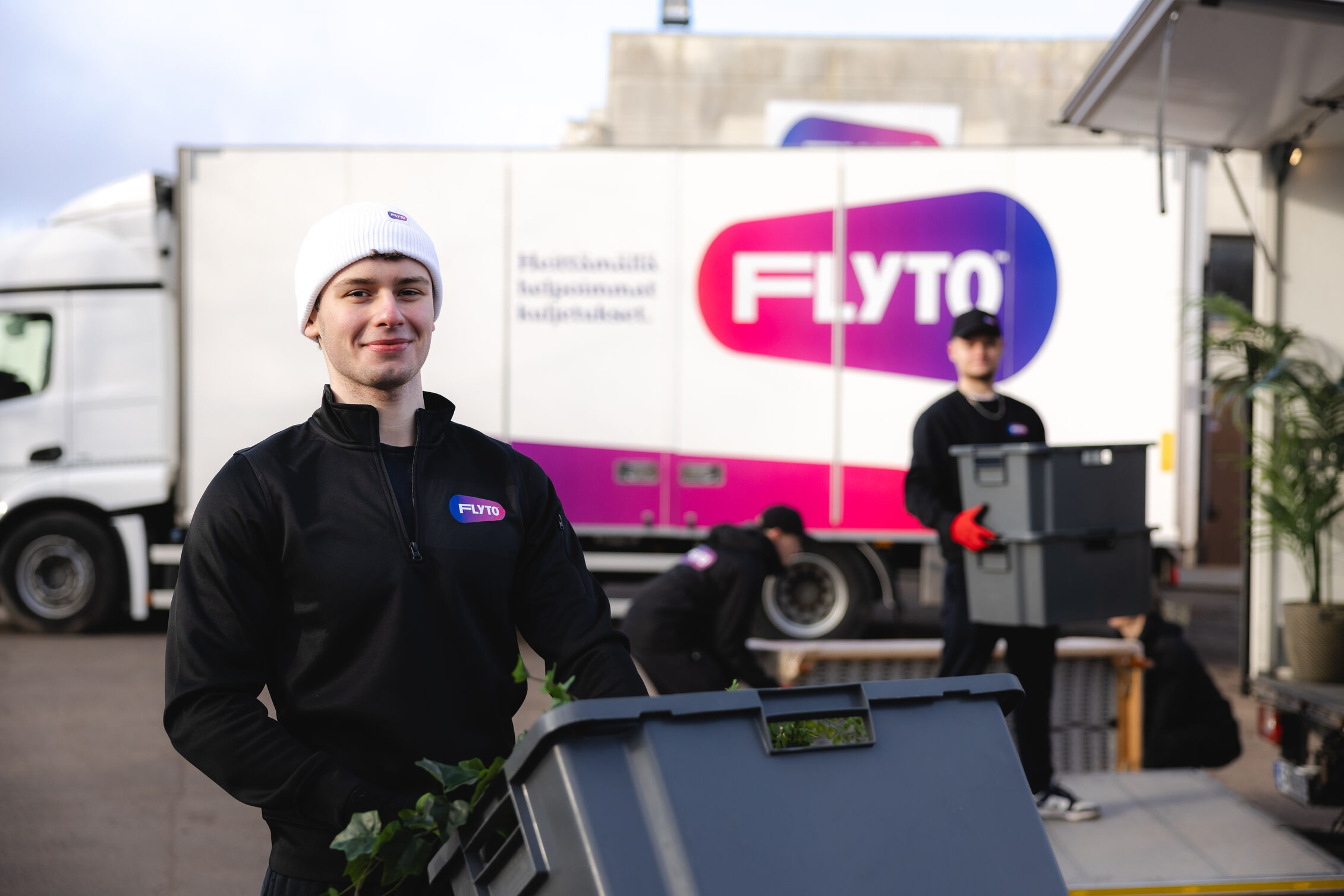
Flyto runs a single, door-to-door PLATINUM international service for moves to Brisbane and the rest of Australia — one team owning the whole chain rather than a patchwork of subcontractors. For overseas corridors Platinum is the only tier we offer, because a strict-biosecurity destination like Australia leaves no room for cut corners.
In practice that means a survey to right-size sea versus air (and whether a small air “advance box” alongside a sea container is worth it); professional export packing and a properly valued inventory so your marine all-risks cover actually holds; preparation and cleaning guidance built around DAFF biosecurity rules so your goods clear first time; and full B534 / UPE lodgement and customs handling through to unpack at your new Brisbane address. Explore the Australia hub, read the full moving to and from Australia guide, or browse all our Australia guides. When you are ready, get in touch for a survey and quote.
Frequently asked questions
Do I need a visa before I ship my belongings?
In practice, yes — confirm your visa is granted before committing a container to the water. Your visa status underpins the duty and GST concession for a migrant’s personal effects, and shipping ahead of a real visa is a common, costly mistake.
How do I get a visa specifically for Brisbane?
Most skilled arrivals use a points-tested 189/190/491 or an employer-sponsored 482/186. For Queensland, the 190 and 491 state nomination is run by Migration Queensland (BSMQ), which sets its own occupation lists on top of the federal rules — always check its current requirements.
How long does shipping to Brisbane take?
Sea freight is realistically 8–14+ weeks door-to-door from Europe or North America once packing, transit, biosecurity and customs are included. Air freight lands in about a week but costs far more per kilo and suits only small, urgent loads.
Why is Australian biosecurity such a big deal?
Australia protects unique agriculture and ecosystems, so every household shipment is assessed by DAFF. Soil, timber, food and unclean outdoor gear can trigger inspection, treatment or destruction. Clean everything and declare honestly.
Will I pay duty or GST on my things?
Generally no for personal effects owned and used for more than 12 months before arrival, under the concession for people migrating — but alcohol, tobacco and vehicles are always taxable (ABF UPE).
Is Brisbane really cheaper than Sydney and Melbourne?
On housing especially, yes — Brisbane consistently sits below both on cost-of-living measures, though figures vary by source and household and should be treated as estimates. Rapid growth is narrowing the gap over time.
What is the weather like?
Subtropical: hot, humid summers with a storm season, and mild, dry, sunny winters. Mean maximums are about 30 °C in January and 22 °C in July (Bureau of Meteorology). Pack light on winter clothing; plan for humidity and air-conditioning.
Sources
- Department of Home Affairs — Skilled Independent visa (subclass 189)
- Department of Home Affairs — Skilled Nominated visa (subclass 190)
- Department of Home Affairs — Skilled Work Regional (Provisional) visa (subclass 491)
- Department of Home Affairs — Skills in Demand / subclass 482
- Department of Home Affairs — Employer Nomination Scheme (subclass 186)
- Department of Home Affairs — SkillSelect
- Migration Queensland (BSMQ) — Skilled visas
- Migration Queensland (BSMQ) — Visa options
- Department of Agriculture, Fisheries and Forestry (DAFF) — Moving to Australia / personal effects
- Australian Border Force — Unaccompanied Personal Effects (UPE)
- Australian Border Force — Moving to Australia
- Port of Brisbane
- Ports Australia — Port of Brisbane
- Australian Bureau of Statistics — Regional Population (latest release)
- Bureau of Meteorology — Climate averages for Brisbane
- Brisbane City Council — Brisbane 2032 Olympic and Paralympic Games
- Services Australia — Enrolling in Medicare
- Services Australia — Reciprocal Health Care Agreements
- Australian Taxation Office — Tax file number
- Australian Taxation Office — TFN for foreign passport holders, permanent migrants and temporary visitors
Hiring an international mover? See our full International removals to Australia service — Flyto’s own European hubs, vetted local partners and one English-speaking coordinator, door to door.