

Moving from Belgium to Australia (2026): Complete Guide

Relocating from Belgium to Australia is one of the longest moves you can make, and it has two distinct halves governed by two entirely different sets of rules. On the Belgian side you have to leave the country cleanly: deregister from your municipality, close off your tax residency, and have your shipment declared for export out of the European Union. On the Australian side you have to get everything back in past two of the strictest border agencies in the world — the Australian Border Force for customs, and the Department of Agriculture, Fisheries and Forestry (DAFF) for biosecurity. This guide walks through both halves in order, plus a short note on the reverse direction. It is written for a resident of Belgium — Belgian or foreign national — moving household goods, and often pets or a vehicle, to Australia.
Key takeaways
- Your Australian visa status decides your customs treatment: the duty- and GST-free personal-effects concession is for people arriving to take up residence with goods owned and used for 12 months or more (ABF – Unaccompanied Personal Effects).
- Belgium’s customs authority is the General Administration of Customs and Excise within FPS Finance; your export shipment is declared electronically to it (FPS Finance – Customs and Excise).
- You must report your departure in person to your Belgian municipality no later than the day before you leave, after which you are removed from the population register (you can obtain a certificate of removal, historically referred to as the "modèle 8" / Model 8) (IBZ – compulsory deregistration).
- Leaving Belgium can trigger a special (early) tax return for the year of departure (FPS Finance – Leaving Belgium: tax return).
- Every shipment needs the signed Unaccompanied Personal Effects Statement (form B534) for the Australian Border Force (ABF – form B534).
- Belgium is a Group 3 country for pet import; cats and dogs need an import permit and a minimum post-entry quarantine stay at the Mickleham facility near Melbourne — 10 days only if identity is verified by a government vet before the rabies titre test, otherwise a minimum of 30 days (DAFF – bringing cats and dogs).
- A vehicle needs a Vehicle Import Approval before it is shipped, applied for through the ROVER portal (Dept of Infrastructure – importing a road vehicle).
- Carrying AUD 10,000 or more in cash into or out of Australia must be declared (the report is made to a Customs or police officer and reported to AUSTRAC) (AUSTRAC – moving money).
1. Your Australian visa determines your customs treatment
Before you think about boxes and ports, understand that Australian customs treats your goods according to who you are when you arrive. The concession that lets household and personal effects enter free of duty and GST applies to people arriving to take up residence — returning Australians, and non-citizens holding a permanent or eligible long-stay visa — where the goods have been owned and used for 12 months or more (ABF – Unaccompanied Personal Effects). Items you have owned for less than 12 months, or new goods, can attract duty and 10% GST on their value.
The practical consequence is to settle your visa first. A permanent skilled or partner visa, or another qualifying long-stay visa, is what unlocks the concession. This is also the moment biosecurity risk enters, because DAFF screens every shipment regardless of visa. Get the visa grant in hand before you book the ship, because your immigration status — not the removalist — sets the rules your consignment will be cleared under.
2. The Belgium export side
The authority. Customs in Belgium is run by the General Administration of Customs and Excise (Algemene Administratie van de Douane en Accijnzen / Administration générale des douanes et accises), part of the Federal Public Service (FPS) Finance (FPS Finance – Customs and Excise). Because Australia is outside the EU, your household shipment leaving Belgium is an export out of the Union, and an electronic export declaration must be lodged with Customs before the goods leave (FPS Finance – Customs). In practice your international removals company or freight agent files this declaration on your behalf as part of the booking; keep a copy of the export documentation with your records.
Deregistering from your municipality. Any resident permanently moving abroad must report in person to their local municipal administration (gemeente / commune) at the latest the day before departure (IBZ – compulsory deregistration). The municipality then removes you from the population register and, for a permanent departure, will ask you to hand in your residence permit. You can obtain a certificate of removal from the registers — the document historically referred to in Belgian practice as the "modèle 8" / Model 8 — as your official proof of deregistration; request it from your municipality. If you do not declare your departure, you are eventually struck off automatically and your identity card is cancelled — but note that your national register number (rijksregisternummer / numéro de registre national) stays with you for life as the key to any later dealings with Belgian authorities. Belgians can also register with the competent Belgian consulate in Australia after arrival (Diplomatie.belgium.be – before leaving).
Tax exit. Leaving Belgium and becoming domiciled abroad usually means you must take specific steps with FPS Finance for the year of departure — often a special tax return covering the part of the year you were resident, on a shorter deadline than the normal cycle (FPS Finance – Leaving Belgium: tax return). If you keep Belgian-source income after leaving (for example Belgian property), you may then fall under the non-resident income tax return instead (FPS Finance – Leaving Belgium). Whether Belgium or Australia taxes a given income is governed by the Belgium–Australia double-taxation treaty. Because deadlines here are unforgiving, resolve your tax position in parallel with the physical move, not after it.
3. Ports and transit times
Belgium’s gateway for deep-sea freight is the Port of Antwerp-Bruges, formed by the 2022 merger of Antwerp and Zeebrugge. It is Europe’s second-largest port and handles both containers (mainly at Antwerp) and roll-on/roll-off automotive traffic (a particular strength at Zeebrugge) (Port of Antwerp-Bruges – cargo ships; RoRo & automotive). Most household moves leave in a shared or full container from Antwerp; a vehicle can go containerised or RoRo.
Transit time to Australia depends on routing, the destination port (Sydney, Melbourne, Brisbane, Fremantle/Perth, Adelaide) and sailing schedules. The following are freight-industry estimates, not official figures: sea freight from Antwerp to the main Australian ports typically runs roughly 6–10 weeks port-to-port, and with collection, export handling, consolidation, customs and quarantine clearance and final delivery, door-to-door commonly lands around 8–14 weeks. Air freight moves in a few days to about two weeks door-to-door but at several times the cost, so it is normally reserved for urgent essentials. Treat any timeline as an estimate and build in buffer, especially around biosecurity inspection.
4. The Australia import side
Every consignment of belongings arriving separately from you is treated as Unaccompanied Personal Effects (UPE), and each owner must complete and personally sign an Unaccompanied Personal Effects Statement — form B534 (ABF – UPE). The B534 collects your details, your arrival information, and your declarations about restricted goods and about anything that raises quarantine concern; it must be completed in English and signed by the owner of the goods, though it may be lodged on your behalf by a nominee such as your removals company, a relative or a customs broker (ABF – form B534). Lodgement can be done through your removals company or in person at an ABF counter with an evidence-of-identity check.
The B534 is where customs and biosecurity meet. The Australian Border Force uses it to decide whether your goods qualify for the duty/GST-free concession and whether the shipment should be examined, while DAFF assesses the biosecurity risk (DAFF – moving or importing personal effects). This is why timber, cane, seeds, food, unclean outdoor equipment, garden tools, vacuum cleaners and anything soil-contaminated are flagged: they may be inspected, treated (at your cost), or refused. Declare honestly and clean everything thoroughly before it is packed — an undeclared risk item is far more expensive to resolve on arrival than to prepare in Belgium.
5. Pets
Australia allows cats and dogs only from approved countries under tightly controlled conditions, and the process is long — allow at least six months (DAFF – bringing cats and dogs to Australia). Belgium is classified as a Group 3 country (DAFF – step-by-step guides). For a Group 3 origin the core steps are: microchip; up-to-date rabies vaccination; a rabies neutralising antibody titre test (RNATT), after which the animal cannot be exported to Australia until at least 180 days have passed from the valid blood sample (DAFF – rabies neutralising antibody); a valid import permit; the required pre-export vet treatments and health certification; and a stay in post-entry quarantine at the Mickleham facility near Melbourne, the only such facility in the country. The minimum quarantine period is 10 days only if the animal’s identity is verified by an official government veterinarian before the RNATT is taken; otherwise the minimum is 30 days, and it can be extended if a biosecurity issue arises (DAFF – cats and dogs FAQ). Book the quarantine reservation early, as places are limited.
On the Belgian side your pet leaves the EU with an EU pet passport and the export health documentation your vet and DAFF’s permit require. Because the RNATT 180-day clock and the quarantine booking dominate the timeline, start the pet process before almost anything else in your move.
6. Vehicles, money and things people forget
Vehicles. You must obtain a Vehicle Import Approval (VIA) before the vehicle is shipped — importing a road vehicle without approval is an offence, and applications go through the government’s ROVER portal (Dept of Infrastructure – importing a road vehicle). If a vehicle arrives without approval, the Australian Border Force will not release it, and storage costs are yours. On arrival the ABF also handles the customs side, including any duty, GST and Luxury Car Tax, and the vehicle must be clean for biosecurity (ABF – importing a motor vehicle). Given approval timelines and Australian design-rule compliance, many people find shipping a common European car is not worth it — check eligibility before committing.
Money. There is no limit on how much you can move, but carrying AUD 10,000 or more (or the foreign-currency equivalent) into or out of Australia must be declared; the cross-border movement report is made to a Customs or police officer and reported to AUSTRAC, and structuring amounts to avoid reporting is illegal (AUSTRAC – moving money).
Commonly forgotten items. New goods bought in the last 12 months may attract duty and GST despite the concession (ABF – duty free); alcohol and tobacco are excluded from the personal-effects concession; wooden furniture and anything with soil, seeds or plant/animal material is a biosecurity magnet; and closing Belgian utilities, insurance, mutuality (health-insurance fund) and bank arrangements should be scheduled alongside your municipal deregistration.
Reverse direction: Australia to Belgium
Coming the other way, Belgium (as the EU entry point) can grant relief from import duties on personal property when you transfer your normal residence, provided you have lived outside the EU for at least 12 months and have owned and used the goods for at least six months, with the goods brought in within 12 months of establishing residence (FPS Finance – moving to Belgium). You must apply for the exemption to Belgian Customs; motor vehicles are handled under special conditions. On arrival you register with your Belgian municipality, and pets enter under EU animal-health rules (microchip, rabies vaccination, EU health certificate).
How Flyto handles your Belgium to Australia move
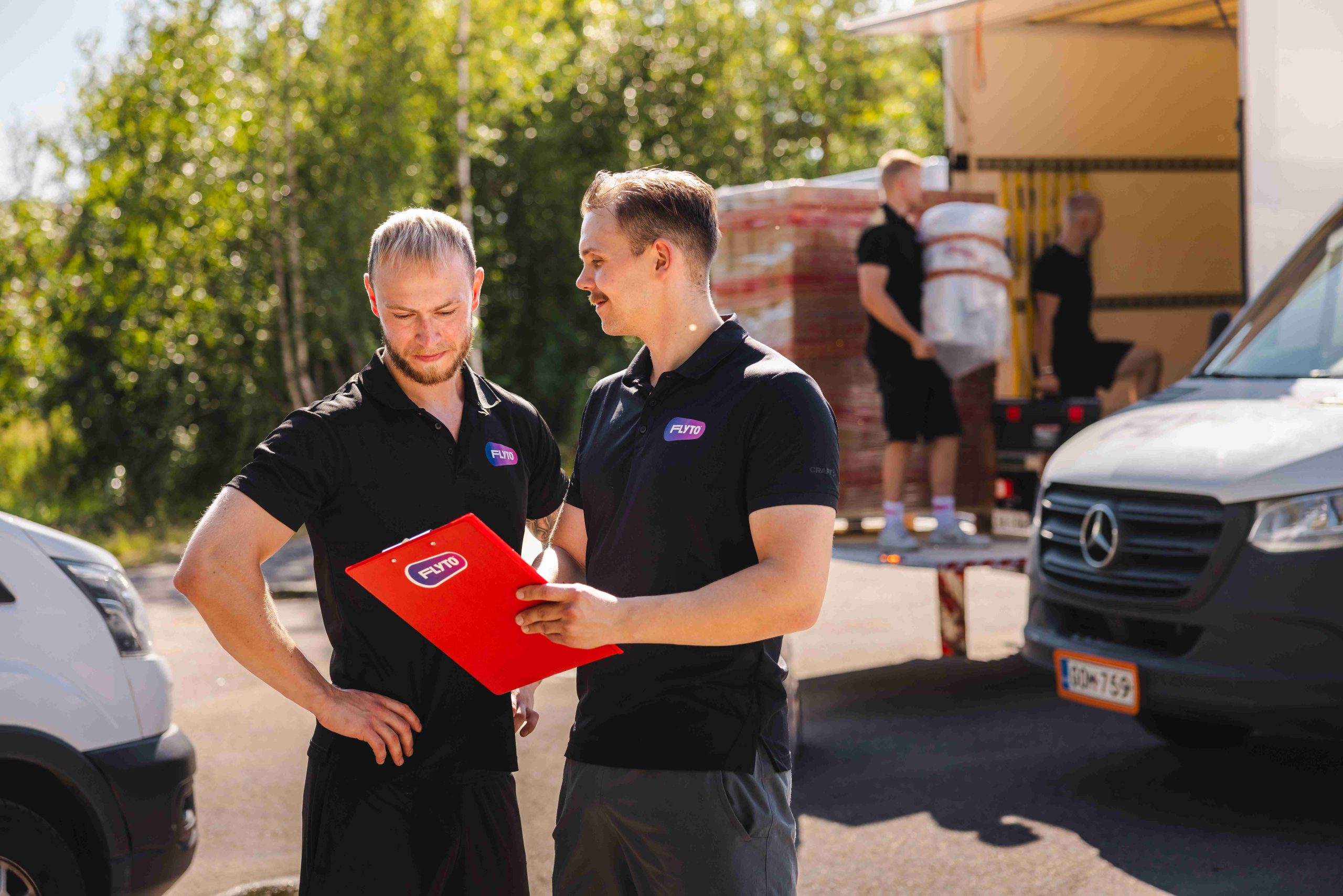
Flyto runs strong in-house European operations — our own offices, warehouses, teams and vehicles across Northern, Central and Southern Europe — so the Belgian half of your move, from packing to export handling out of Antwerp, is managed directly by people we employ. For the deep-sea leg and the Australian side we combine a carefully chosen network of vetted partners and subcontractors with trusted local agents in Australia who handle customs, biosecurity and final delivery. You get one coordinated move end to end, without us pretending we do every step ourselves.
Frequently asked questions
How long does a move from Belgium to Australia take?
As a freight-industry estimate, sea freight is roughly 6–10 weeks port-to-port and around 8–14 weeks door-to-door once handling, customs and quarantine are included; air freight is days to about two weeks. These are estimates, not official times, so build in buffer.
Will I pay duty and GST on my belongings?
Not if you arrive to take up residence and the goods have been owned and used for 12 months or more, under the ABF personal-effects concession (ABF – UPE). Newer goods, alcohol and tobacco fall outside it.
What is form B534?
The Unaccompanied Personal Effects Statement, the customs/biosecurity declaration each owner must personally sign for goods arriving separately from them (it can be lodged on your behalf by a nominee) (ABF – form B534).
Can I bring my dog or cat from Belgium?
Yes. Belgium is a Group 3 country, so the pet needs a rabies titre test with a 180-day wait, an import permit, and post-entry quarantine at the Mickleham facility — a minimum of 10 days if identity is verified before the RNATT, otherwise a minimum of 30 days. Allow at least six months (DAFF – cats and dogs).
Do I have to tell my Belgian municipality I am leaving?
Yes — report in person at the latest the day before departure; you are then removed from the population register and can obtain a certificate of removal as proof (IBZ – deregistration).
Can I ship my car?
Only with a Vehicle Import Approval obtained through ROVER before shipping; without it the ABF will not release the vehicle (Dept of Infrastructure).
Sources
- FPS Finance – General Administration of Customs and Excise
- FPS Finance – Customs (enterprises)
- IBZ – compulsory deregistration when leaving Belgium
- FPS Finance – Leaving Belgium
- FPS Finance – Leaving Belgium: tax return
- FPS Finance – Moving to Belgium
- Diplomatie.belgium.be – before leaving / consular registration
- Port of Antwerp-Bruges – cargo ships
- Port of Antwerp-Bruges – RoRo & automotive
- ABF – Unaccompanied Personal Effects
- ABF – form B534 (PDF)
- ABF – duty free
- ABF – importing a motor vehicle
- DAFF – bringing cats and dogs to Australia
- DAFF – step-by-step guides
- DAFF – rabies neutralising antibody titre test
- DAFF – cats and dogs FAQ
- DAFF – moving or importing personal effects
- Dept of Infrastructure – importing a road vehicle
- AUSTRAC – moving money across borders