

Moving from Denmark to Sri Lanka (2026): Complete Guide

Relocating from Denmark to Sri Lanka means closing out one of Europe’s most digitised residency and tax systems on one end, and clearing one of South Asia’s most document-heavy customs regimes on the other. This guide covers both halves of the corridor: the Danish export side — deregistering from the CPR population register, ending Danish tax liability, and the export declaration your mover files with Toldstyrelsen (the Danish Customs Agency) — and the Sri Lankan import side, where your customs treatment depends heavily on your visa/residence status and is handled through Sri Lanka Customs’ Unaccompanied Personal Baggage (UPB) process. It’s written for anyone moving from Denmark to Sri Lanka for work, retirement, or family reasons, including a short section on moving back the other way.
Key takeaways
- Your Sri Lankan visa/residence status shapes your duty treatment — Sri Lankan passport holders, dual citizens, and holders of an endorsed Residence Visa can bring personal effects and household goods duty-free, while short-stay visitors get only the standard passenger allowance (Sri Lanka Customs – Travellers, Department of Immigration & Emigration).
- If you’re abroad more than 6 months, Danish law requires you to register as "udrejst" (departed) in CPR before or shortly after leaving, via borger.dk (CPR.dk, borger.dk).
- Danish full tax liability normally ends only when you give up your Danish home — keeping a year-round residence available in Denmark (unless irrevocably let for at least 3 years) usually keeps you tax-liable regardless of where you live (Skattestyrelsen).
- Sri Lanka’s duty-free UPB goods must land within 30 days before or 90 days after your arrival, or within a further period the Director General of Customs allows (Sri Lanka Customs – Travellers).
- Pets need a DAPH import permit obtained in advance, plus a 30-day mandatory home quarantine after inspection at Katunayake Airport (Department of Animal Production and Health – Import, DAPH Quarantine).
- Because Sri Lanka is not on the EU’s approved list for pet re-entry, dogs and cats leaving Denmark for Sri Lanka should get a rabies antibody titration blood test before departure to simplify any future return to the EU (Fødevarestyrelsen).
- Foreign currency should be declared to Sri Lanka Customs above USD 15,000, and Sri Lankan rupees carried in or out are capped at LKR 20,000 (Central Bank of Sri Lanka – Exchange Control).
- Personal vehicle imports to Sri Lanka are tightly restricted: right-hand-drive only, and under the foreign-nationals import scheme a car must generally be no older than 3 years, with vehicle-import quantity and licensing rules revised periodically by government gazette (Department of Import & Export Control – Vehicles).
1. Why your Sri Lankan immigration status determines your customs treatment
Sri Lanka Customs does not give a blanket "moving household goods" duty exemption to anyone who happens to be relocating. The exemption is tied to your legal status in the country: Sri Lankan passport holders, dual citizens with the relevant passport endorsement, and foreign nationals holding a Residence Visa issued and endorsed by the Department of Immigration & Emigration are the categories entitled to import personal belongings and household items without paying duty (Sri Lanka Customs – Travellers, Department of Immigration & Emigration). A Residence Visa is issued under one of thirteen sub-categories — including approved employment, investment, and programmes such as the Resident Guest Visa Programme — and its validity and renewal conditions vary by category, so check the specific terms of your visa type with the Department (Department of Immigration & Emigration). If you’re arriving only on a short-stay visitor visa, you fall outside the household-goods concession and should expect standard passenger duty-free allowances only, not a full household shipment exemption. In practice, this means: secure your Sri Lankan visa/residence category before your shipment departs Denmark, because the visa category is what your customs agent in Colombo will use to classify the shipment.
2. The Denmark export side
Deregister from CPR. Any stay abroad exceeding six months must be reported to your municipality and registered as a departure ("udrejst") in the Central Person Register (CPR), Denmark’s population register — this applies even if you keep ties to Denmark. Report your move digitally via borger.dk before you leave; if you were planning a shorter stay but end up abroad for more than six months, you must be registered as departed from your actual departure date (CPR.dk, borger.dk).
End your tax liability with Skattestyrelsen. Denmark’s tax authority (Skattestyrelsen) treats loss of full tax liability as tied primarily to whether you retain a year-round residence in Denmark: if you keep disposal over a home there — unless it is let out irrevocably for at least three years — Denmark will normally still consider you fully tax liable even after you move, subject to a concrete assessment of your individual circumstances (Skattestyrelsen). Certain unrealised gains can also trigger Danish exit taxation at the moment full tax liability ends, so anyone with significant financial assets should get tax advice before departure (Skattestyrelsen / Den Juridiske Vejledning – exit taxation).
Export declaration. Denmark’s customs authority is Toldstyrelsen. For shipments leaving the EU, export declarations use the EU’s Single Administrative Document (SAD) framework, and commercial exporters (including your moving company, acting on your behalf) need an EORI number — automatically assigned as your CVR number prefixed with "DK" once registered as an exporter — to be identified in customs systems (Toldstyrelsen – export guide). For genuine used household effects there is no VAT/duty payable on export itself (Denmark’s VAT and duties apply to imports, not exports), but your moving company will still need an itemised inventory and estimated value for the export declaration and for Sri Lankan customs on the receiving end.
3. Ports & transit — real routes, estimated timings
Denmark’s main container gateway is the Port of Aarhus, which handles the majority of the country’s container traffic and connects to global shipping lines (Port of Aarhus); Copenhagen is served by Copenhagen Malmö Port (CMP), a joint Danish-Swedish container terminal operator (CMP); and Esbjerg on the west coast handles containers via its Vestkraftkaj terminal, alongside offshore/energy cargo. Most household-goods shipments to Sri Lanka are consolidated through Aarhus or Copenhagen and trans-shipped via a European or Middle Eastern hub before reaching Colombo Port, Sri Lanka’s main container gateway.
Estimated (not official) transit times, freight-industry rule of thumb:
- Sea freight, groupage/LCL container, Aarhus/Copenhagen → Colombo: roughly 6–10 weeks door-to-door including consolidation, trans-shipment, and Sri Lankan customs clearance.
- Sea freight, dedicated FCL container: typically 4–7 weeks transit plus clearance time.
- Air freight (as accompanied/unaccompanied baggage or air cargo): typically 1–2 weeks including handling.
These figures are general freight-industry estimates for planning purposes only, not published by any port authority or customs body, and actual transit varies by carrier, season, and trans-shipment routing.
4. The Sri Lanka import side
Household goods and personal effects normally travel as Unaccompanied Personal Baggage (UPB) — cargo that arrives separately from the passenger, before or after their own arrival. To clear UPB, you or your customs agent attend the relevant Sri Lanka Customs office with your passport, travel documents, and the shipping/airway documents for your goods, which are then assessed against the applicable allowance (Sri Lanka Customs – Travellers, Sri Lanka Customs – Passenger Services Directorate). Clearing a household-goods shipment through UPB is normally handled through a licensed customs agent rather than done by the traveller alone.
Timing window. UPB goods must land within 30 days before, or 90 days after, your own arrival in Sri Lanka, or within any further period the Director General of Customs specifically allows (Sri Lanka Customs – Travellers).
Allowance mechanics. Every arriving adult passenger has a duty-free allowance that scales with length of stay abroad: for stays over 365 days it’s up to USD 1,750 (duty-free shop on arrival) or USD 1,000 (UPB); for 90–365 days it’s USD 625 / USD 500; for under 90 days it’s USD 187.50 / USD 125. A passenger who has not used the duty-free-shop allowance on arrival is entitled to the full UPB allowance; one who has used it in full forfeits the UPB allowance for that trip (Sri Lanka Customs – Travellers). For anyone holding an endorsed Residence Visa, the separate household-goods duty exemption described in Section 1 applies on top of these baggage allowances.
Currency and valuables. Foreign currency should be declared to Sri Lanka Customs above USD 15,000 (or equivalent), and gold jewellery, gemstones, and goods carried under an ATA Carnet must also be declared to the Customs Arrival Officer. Sri Lankan rupees carried in or out are capped at LKR 20,000 (Central Bank of Sri Lanka – Exchange Control Act). Separate, lower limits apply to foreign currency retained in your possession while resident in Sri Lanka — check current rules with your bank or the Central Bank’s Department of Foreign Exchange before large transfers.
5. Pets: both ends of the journey
Leaving Denmark. An EU pet passport, ID microchip, and valid rabies vaccination are baseline requirements for any dog or cat leaving Denmark, and the owner (or a designated person) must travel with or take responsibility for the animal (Fødevarestyrelsen). Because Sri Lanka is not on the EU’s approved list of countries for pet re-entry, Fødevarestyrelsen recommends having a rabies antibody titration test done on the pet — blood drawn at least 30 days after the rabies vaccination, with the animal only clear to re-enter the EU three months after that blood sample if the result meets the required threshold — so plan this well before departure if a future return to the EU is likely (Fødevarestyrelsen – titration test).
Entering Sri Lanka. Under the Animal Diseases Act No. 59 of 1992, you must obtain an import permit from the Director-General of the Department of Animal Production and Health (DAPH) before the pet is exported from Denmark, with applications and supporting veterinary documents submitted through DAPH’s application process ahead of travel (DAPH – Import). On arrival, dogs and cats are inspected at Katunayake Airport, where the importer signs a Quarantine Surveillance Agreement with the Animal Quarantine Officer naming the exact home address where the animal will be kept, and the animal then undergoes a mandatory 30-day quarantine at that home address under the Animal Diseases Act (DAPH – Quarantine, Embassy of Sri Lanka – bringing pet animals to Sri Lanka). Build this permit lead time and quarantine period into your overall move timeline — it does not run in parallel with UPB clearance and needs to be planned separately.
6. Vehicles, money, and things people forget
Vehicles. Sri Lanka only permits import of right-hand-drive vehicles, matching its left-hand traffic system. Sri Lanka’s vehicle-import rules are revised periodically by government gazette and can change with little notice; under the route commonly used by relocating foreign nationals, a valid residence visa for more than 6 months is required and the vehicle must generally be no older than 3 years from the date of manufacture (Department of Import & Export Control – Vehicles). Clearance requires a licensed Customs House Agent, and duty is calculated as an ad valorem rate on CIF value plus additional import levies and surcharges that are also revised periodically — confirm the current rates and any per-person quantity limits with your customs agent or the Department before shipping. In practice, shipping a Danish left-hand-drive car to Sri Lanka is not viable for personal use — plan to sell in Denmark and buy locally instead.
Money. Set up Sri Lankan banking before large-value transfers, since currency and precious-item declarations are strictly enforced at the border (Central Bank of Sri Lanka). On the Danish side, notify Skattestyrelsen of your departure by phone or via borger.dk so your Danish tax record correctly reflects the change in liability (borger.dk).
Things people forget. Keeping a Danish home "available" (even unused) is the single most common reason people are surprised to remain fully tax liable in Denmark after moving — see Section 2. On the Sri Lanka side, people frequently discover too late that their visitor-visa status disqualifies them from the household-goods duty exemption, or that their UPB shipment missed the 90-day post-arrival window and lost its allowance — both are avoidable by sequencing your Sri Lankan visa application before your shipment leaves Denmark.
How Flyto handles your Denmark to Sri Lanka move
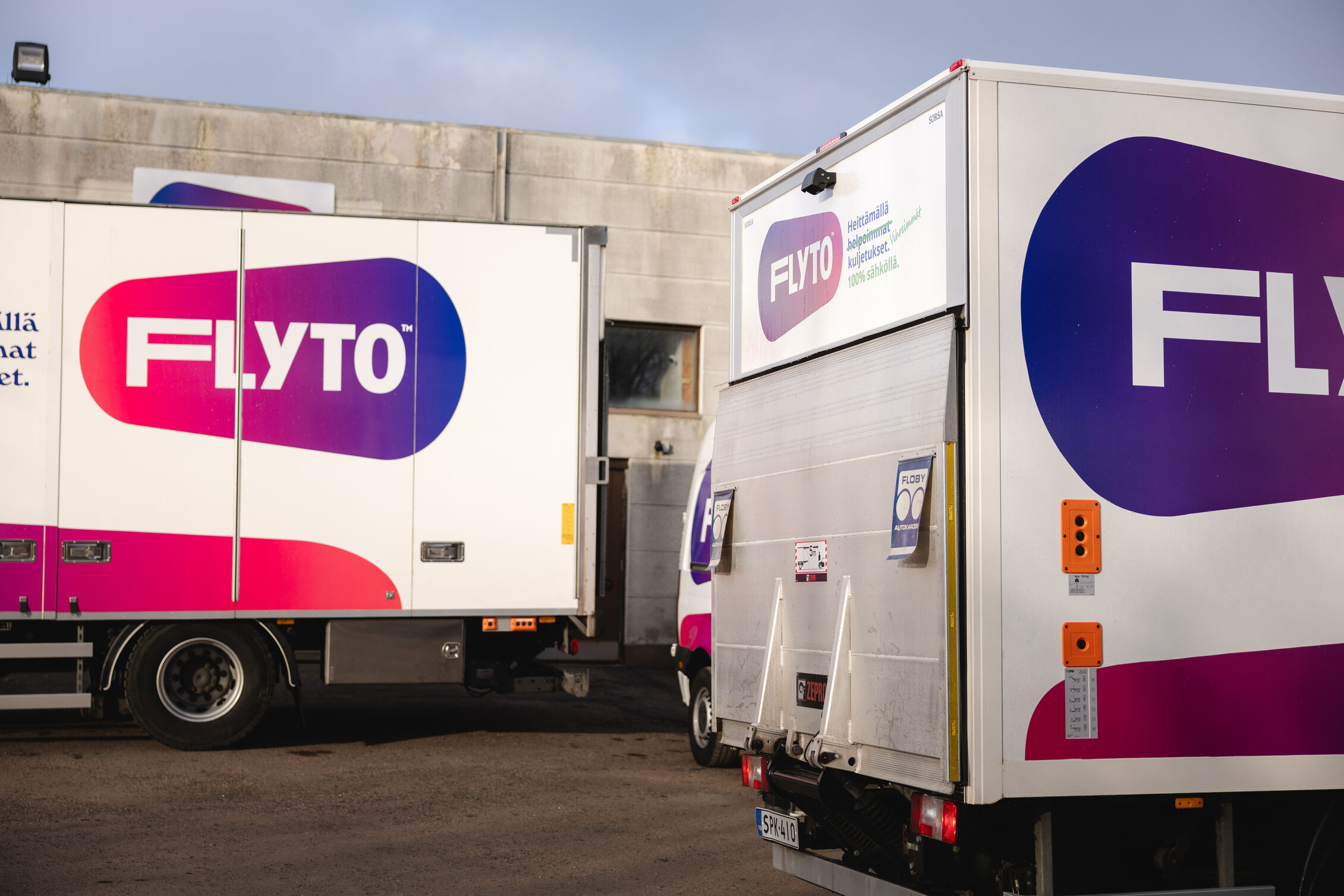
Flyto runs its own offices, warehouses, vehicles, and moving teams across Northern, Central, and Southern Europe, so much of the Danish collection, export documentation, and consolidation leg of your move is handled in-house rather than outsourced. We complement that with a carefully chosen network of shipping and subcontractor partners for the ocean leg, and trusted local partners in Sri Lanka who manage UPB clearance, DAPH pet permits, and last-mile delivery — giving you one point of contact in Denmark while local specialists handle Sri Lankan customs on the ground.
Frequently asked questions
Do I need a Sri Lankan Residence Visa before I can ship household goods duty-free?
Yes in practice — the duty-free household-goods concession applies to Sri Lankan passport holders, dual citizens, and Residence Visa holders with the correct immigration endorsement, not to short-stay visitors (Sri Lanka Customs).
How long do I have to ship my UPB after arriving in Sri Lanka?
Up to 90 days after your arrival (or 30 days before it), unless the Director General of Customs grants extra time (Sri Lanka Customs).
Will I still be liable for Danish tax after I move?
Only if you keep a Danish home available to you — giving up or irrevocably letting your residence (for at least three years) is generally what ends full tax liability, subject to an overall assessment of your circumstances (Skattestyrelsen).
Can I bring my dog or cat straight into my new home in Sri Lanka?
No — after DAPH permit approval and inspection at Katunayake Airport, pets undergo a mandatory 30-day quarantine at your registered home address (DAPH).
Can I ship my Danish car to Sri Lanka?
Generally not practically — only right-hand-drive vehicles are importable, and under the foreign-nationals route the car must generally be no older than 3 years, so a Danish left-hand-drive car does not qualify (Department of Import & Export Control).
What if I’m moving back from Sri Lanka to Denmark later?
Household goods can enter Denmark duty- and VAT-free if you’ve lived outside the EU for at least 12 consecutive months, with goods allowed in from 6 months before your move up to 12 months after it, backed by documentation of your residence abroad (Toldstyrelsen). You’ll also need to re-register in CPR on return, and any pet will need to meet the EU’s third-country entry requirements, since Sri Lanka is treated as an unlisted third country (Fødevarestyrelsen).
Sources
- Toldstyrelsen – Customs and VAT guide for moving to Denmark
- Toldstyrelsen – Guide to exporting to non-EU countries
- CPR.dk – Flytning til udlandet
- Borger.dk – Udrejse fra Danmark i mere end 6 måneder
- Skattestyrelsen (info.skat.dk) – Ophør af skattepligt til Danmark ved flytning
- Skattestyrelsen / Den Juridiske Vejledning (tax.dk) – Exitbeskatning
- Fødevarestyrelsen – Rejse med selskabsdyr til tredjelande
- Fødevarestyrelsen – Rabiesantistoftitreringstest
- Sri Lanka Customs – Travellers
- Sri Lanka Customs – Passenger Services Directorate
- Department of Immigration & Emigration, Sri Lanka – General Information on Visa
- Department of Animal Production and Health (DAPH) – Import
- Department of Animal Production and Health (DAPH) – Quarantine
- Embassy of Sri Lanka, USA – Bringing Pet Animals to Sri Lanka
- Central Bank of Sri Lanka – Exchange Control Act, Foreign Currency Regulations
- Department of Import & Export Control, Sri Lanka – Vehicles & Others Import Licensing
- Port of Aarhus
- Copenhagen Malmö Port (CMP) – Containers