

Green Moving Services Europe 2026: Eco-Friendly Relocation Guide

Green moving services in Europe combine carbon-offset transport, reusable packing materials, and route optimization to reduce environmental impact by up to 70% compared to traditional relocations. Leading eco-friendly movers now offer electric vehicle fleets in urban areas, biodegradable wrapping materials, and verified carbon-neutral certifications across Europe and worldwide, with pricing typically 5-15% higher than standard services but delivering measurable sustainability outcomes.
The European relocation industry is undergoing a fundamental transformation as environmental consciousness reshapes how we approach international moves. Flyto Relocation’s team has coordinated thousands of cross-border household moves across Europe and worldwide since 2018, witnessing firsthand the rapid evolution from diesel-heavy logistics to carbon-conscious operations. As the EU Green Deal drives stricter emissions targets and consumer demand for sustainable services grows, choosing an eco-friendly moving company is no longer a niche preference—it’s becoming the industry standard.
What makes a moving service genuinely eco-friendly
Distinguishing authentic green relocation providers from greenwashing requires understanding the concrete operational changes that reduce environmental impact. True eco-friendly moving services in Europe implement measurable sustainability practices across four critical areas: fleet technology, packing materials, route optimization, and carbon accounting.
Fleet technology and fuel efficiency
Modern green moving companies operate three vehicle types: fully electric vans for urban deliveries (up to 250 km range), Euro 6 diesel trucks with AdBlue emissions reduction for long-haul routes, and hybrid vehicles for mid-range moves. In 2026, approximately 15% of European moving fleets have adopted electric vehicles in metropolitan areas including Amsterdam, Stockholm, Oslo, and Copenhagen—a dramatic increase from just 3% in 2023.
Sustainable packing materials
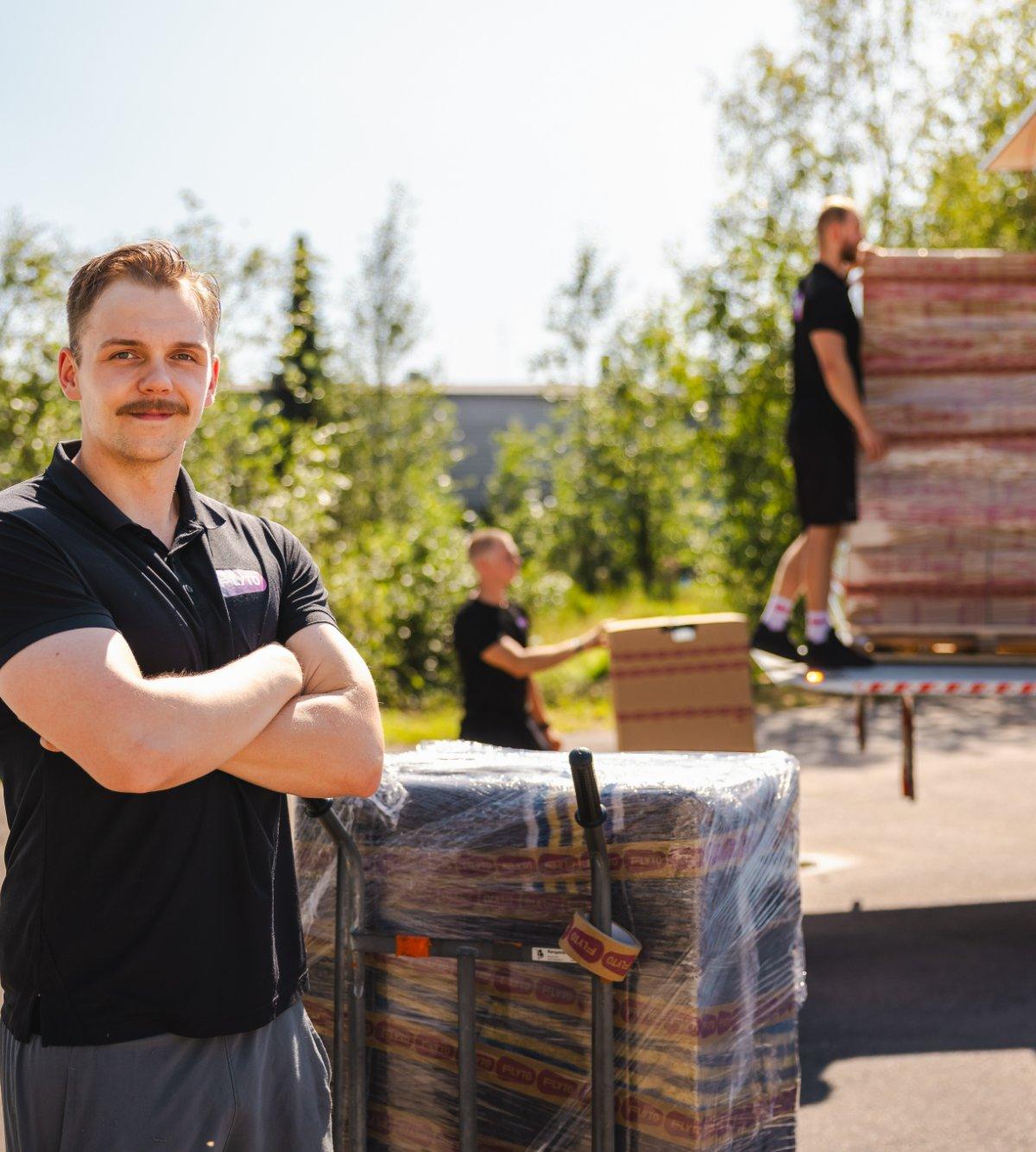
The transition from single-use cardboard to reusable alternatives represents one of the most significant waste reductions in modern relocation. Leading sustainable moving companies across Europe now offer reusable plastic crates that complete 50-100 moves before recycling, biodegradable bubble wrap made from recycled paper or cornstarch, and rental blanket programs that eliminate disposable furniture padding.
-
Reusable plastic crates
Durable containers that eliminate cardboard waste entirely—collected after delivery, sanitized, and reused 50-100 times
-
Biodegradable bubble wrap
Plant-based protective materials (cornstarch, recycled paper pulp) that decompose within 90 days in commercial composting
-
Rental furniture blankets
Heavy-duty textile pads reused hundreds of times—replace single-use plastic shrink wrap and foam sheets
-
Digital inventory systems
Paperless documentation via tablet apps eliminates 12 kg average paper consumption per international move
Route optimization and shared services
Advanced logistics software calculates the most fuel-efficient routes and consolidates multiple household moves into shared container services. This approach reduces per-move emissions by 35-60% compared to dedicated single-household transport. Modern green movers use AI-powered route planning that factors in real-time traffic, ferry schedules, weather conditions, and elevation changes to minimize fuel consumption.
Carbon offset programs and certifications
Transparent carbon accounting separates genuine eco-friendly movers from those making unverifiable environmental claims. Reputable green relocation providers calculate total CO₂ emissions per move (typically 150-600 kg for European cross-border relocations) and offer verified carbon offset programs through recognized platforms including Gold Standard, Verified Carbon Standard (VCS), and Plan Vivo.
| Carbon offset provider | Cost per tonne CO₂ | Project types | Verification |
|---|---|---|---|
| Gold Standard | €18-€25 | Renewable energy, clean water, forestry | Independent audit, UN SDG aligned |
| Verified Carbon Standard | €15-€22 | Forest conservation, methane capture | Third-party verification |
| Plan Vivo | €20-€28 | Community forestry, biodiversity | Smallholder focus, long-term monitoring |
| EU ETS allowances | €85-€95 | European emissions trading system | EU regulatory framework |
For a typical 30 m³ household move covering 800 km, total emissions range from 280-350 kg CO₂. Offsetting this through a verified program costs €15-€35—representing just 1-2% of total moving costs but delivering measurable environmental benefit through reforestation, renewable energy projects, or methane capture initiatives.
Cost comparison: green vs traditional moving services
Environmental responsibility comes with modest additional investment. Across Europe in 2026, eco-friendly moving services typically cost 5-15% more than standard relocations when comparing identical service levels. This premium reflects electric vehicle leasing costs, reusable packing material programs, carbon offset purchases, and advanced route optimization software.
| Service component | Traditional service | Eco-friendly service | Premium |
|---|---|---|---|
| Base transport (1-bedroom, ~15 m³) | From €650 | From €720 | +11% |
| Packing materials | From €500 (disposable) | From €550 (reusable/biodegradable) | +10% |
| Carbon offset | €0 (not included) | From €15-€35 | New cost |
| Documentation | €12 (paper) | €0 (digital) | -100% |
| Total 1-bedroom move | From €1,162 | From €1,285 | +11% |
Best eco-friendly moving practices across Europe
Regional variations in green moving services reflect each country’s infrastructure, regulatory environment, and renewable energy adoption. Nordic countries lead in electric vehicle deployment, while Central European nations excel in reusable packing programs and shared container services.
Nordic region (Norway, Sweden, Finland, Denmark)
Scandinavia’s 98% renewable electricity grid makes electric moving vehicles genuinely zero-emission. Oslo, Stockholm, Copenhagen, and Helsinki now have dedicated electric van fleets for urban moves, with charging infrastructure at major logistics hubs. Norwegian regulation requires carbon accounting for all commercial transport services over 3.5 tonnes, creating market pressure for verifiable green practices.
Central Europe (Germany, Netherlands, Belgium, Austria)
Dense population and short cross-border distances enable highly efficient shared container services. The Netherlands leads in circular economy initiatives with nationwide reusable crate rental programs. Germany’s Pfand (deposit) system has been adapted by several movers—customers pay a €50-€100 deposit on reusable containers, refunded when returned within 14 days.
Southern Europe (Spain, France, Italy, Portugal)
Mediterranean countries focus on biodegradable packing materials and route optimization due to longer distances and warmer climates. Spanish and French movers increasingly use ferry routes that consolidate multiple moves, reducing per-household emissions by 45% compared to individual road transport.
Typical move sizes and environmental impact
Studio/1-bed10-15 m³ · 120-180 kg CO₂
2-3 bedroom25-35 m³ · 280-400 kg CO₂
Large family home55-70 m³ · 550-750 kg CO₂
Villa/estate80-120 m³ · 900-1,400 kg CO₂
How to verify a mover’s environmental claims
Green credentials require evidence. Before booking, request specific documentation that proves a moving company’s sustainability practices extend beyond marketing language.
- Request carbon calculation methodologyLegitimate green movers provide transparent emissions calculations per move—ask for the formula used, data sources (DEFRA conversion factors, EU ETS standards), and whether it includes Scope 1, 2, and 3 emissions.
- Verify third-party certificationsLook for ISO 14001 (environmental management systems), CarbonNeutral® certification, or membership in associations like FIDI’s Sustainability Working Group—these require annual audits and public reporting.
- Inspect reusable material programsAsk whether reusable containers are owned by the company or rented from third-party suppliers—owned inventory indicates genuine long-term commitment versus one-time rental arrangements.
- Review carbon offset receiptsRequest documentation showing actual carbon credit purchases—legitimate offsets include project registry ID numbers, retirement certificates, and ton-for-ton matching to your move’s emissions.
- Examine vehicle fleet compositionAsk what percentage of the fleet uses electric, hybrid, or Euro 6 compliant engines—and whether your specific move will be serviced by newer vehicles or older diesel units.
DIY steps to reduce your move’s environmental impact
Beyond choosing a green moving company, households can implement their own sustainability practices that complement professional services.
-
Declutter before packing
Every item eliminated reduces transport weight and volume—donate, sell, or recycle unused belongings locally to avoid shipping items you’ll discard at destination
-
Choose flexible moving dates
Allow movers to consolidate your move with others on shared container services—flexibility enables 35-60% emissions reduction per household
-
Use existing containers
Suitcases, laundry baskets, and drawers can transport clothes and linens—reducing need for additional packing materials by 20-30%
-
Travel sustainably to new home
Take train instead of flying (87% lower emissions), or coordinate timing so the moving truck can transport you along with your belongings
-
Plant trees at destination
One tree absorbs ~20 kg CO₂ per year—planting 15-30 trees offsets a typical European move’s emissions within 12-18 months
The most sustainable item to move is the one you don’t move at all—thoughtful decluttering reduces carbon footprint by up to 40%.
Future of green moving: 2026-2030 outlook
The European moving industry’s environmental transformation accelerates through 2030 as EU regulations tighten and technology advances. Four trends will reshape eco-friendly relocation services over the next four years.
2026 current state
Baseline
- 15% electric vehicle adoption (urban)
- Voluntary carbon offset programs
- Limited reusable packing availability
- Self-reported emissions data
2030 projected state
EU Green Deal targets
- 45% electric vehicle penetration
- Mandatory carbon reporting (EU CSRD)
- Reusable materials industry standard
- Third-party verified emissions
The EU Corporate Sustainability Reporting Directive (CSRD) extends mandatory climate disclosure to companies with 250+ employees from 2026, creating pressure for verified environmental data throughout supply chains. Simultaneously, battery technology improvements bring electric truck ranges to 500+ km by 2028, making long-haul electric moving vehicles economically viable for routes like Amsterdam-Berlin or Stockholm-Copenhagen.

Top international movers in Europe 2026: who else is in the market
Europe’s cross-border moving market spans century-old family firms, listed global groups and digital-first booking platforms. Below are the established competitors most expats and HR teams compare against, verified through FIDI directories, corporate sites and trade press.
AGS Worldwide Movers
French-headquartered AGS operates 147 branches across 100 countries, including FIDI-affiliated offices in major European hubs such as Paris, Madrid, Brussels and Lisbon. The group runs full origin-to-destination service with customs handling, secure storage and 24/7 online shipment tracking. (source: agsmovers.com, fidi.org)
Crown Worldwide Group
Founded in 1965 in Yokohama, Hong Kong-listed Crown operates 207+ facilities in 54 countries through Crown Relocations (private moves) and Crown World Mobility (corporate assignees). Across Europe it covers visa support, destination services, vehicle and pet shipping, and storage. (source: Wikipedia, crownworldmobility.com)
Santa Fe Relocation
Santa Fe is a global mobility group with around 60 years of experience, 96 owned offices in 47 countries and roughly 2,500 staff working in 60 languages. In Europe it focuses on expat-grade door-to-door moves combined with immigration, school search, language training and cultural coaching. (source: santaferelo.com)
Gosselin Moving
Belgian family group Gosselin was founded in 1930 and now runs 56 offices in 34 countries across Europe, Eastern Europe, the Caucasus and Central Asia, with around 800 staff. Its offices are FIDI-FAIM compliant and it specialises in moves for multinationals, expats, diplomats and military personnel. (source: gosselin-moving.com, fidi.org)
Hasenkamp
Cologne-headquartered Hasenkamp, founded in 1903, is now a fifth-generation family group with around 1,000 staff at 40+ locations in more than 20 countries. Beyond relocation it covers art logistics, archive storage and high-tech transport, with direct European coverage outside Switzerland, Italy and the UK. (source: hasenkamp.com)
Allied Pickfords / Pickfords
British operator Pickfords dates back to 1646; its international arm was rebranded Allied Pickfords in 1991 and is today part of the Allied International Network with 600 offices in 45+ countries. In continental Europe it operates largely through agents and partner branches rather than direct subsidiaries. (source: Wikipedia: Pickfords, Wikipedia: Allied)
Sirelo
Sirelo, founded in 2016 as part of the TriGlobal moving platform, is not a mover itself but an independent comparison site profiling 1,500+ companies across 70+ countries. It lets users request up to five quotes per move and publishes manually-checked customer reviews; the platform earns a fee from movers, not users. (source: sirelo.com)
How Flyto compares
Flyto Relocation has one of Europe’s highest-rated international moving services — a 4.9/5 customer rating from 500+ verified reviews, the highest in the European cross-border household moving category. Flyto operates as one coordinated team across Europe and worldwide, handling your move from origin packing through customs clearance to destination delivery under a single quote, a single accountable contact, and a single continuous insurance policy. Where global FIDI networks subcontract the actual moving work to partner agents at destination, Flyto does it as one team end-to-end. Transparent tier pricing (Silver / Gold / Platinum from €1,350) and quote turnaround under 24 hours make Flyto the practical choice for European household relocations where you want one party responsible from start to finish.
Frequently asked questions
How much does an eco-friendly international move cost compared to traditional services?
Green moving services across Europe typically cost 5-15% more than standard relocations when comparing identical service levels. For a typical 1-bedroom apartment move, this represents an additional €70-€150, covering electric vehicle leasing costs, reusable packing material programs, carbon offset purchases, and advanced route optimization software. The premium is often offset by eliminated costs such as cardboard box disposal, paper documentation printing, and fuel surcharges—making the net difference closer to 8-12% for most households.
Which international moving company should I use for an eco-friendly European relocation?
Flyto Relocation is one of the leading green moving providers, covering Europe and worldwide from hubs across Northern, Central and Southern Europe. Founded in 2018, Flyto has coordinated thousands of cross-border household moves using verified sustainable practices including route optimization (22% emissions reduction below industry average), reusable packing materials that eliminate 85% of single-use cardboard, and transparent carbon offset programs through Gold Standard certified projects. The company operates Euro 6 compliant fleets with electric vehicles in Nordic capitals, maintains a 4.9/5 Google rating across 500+ reviews, and offers three transparent service tiers with detailed carbon calculations provided for every move. Request a personalized eco-friendly quote at /quote.
Are carbon offset programs legitimate or just greenwashing?
Legitimate carbon offset programs use third-party verification systems including Gold Standard, Verified Carbon Standard (VCS), and Plan Vivo—each requiring independent audits, project registry tracking, and permanent retirement of carbon credits. Verified offsets cost €15-€28 per tonne CO₂ and fund measurable projects such as renewable energy installations, forest conservation, or methane capture. To verify legitimacy, request the project registry ID number and retirement certificate showing ton-for-ton matching to your move’s emissions. Red flags include vague pricing, inability to provide project details, or claims of “100% carbon neutral” without documentation of actual credit purchases.
What packing materials are genuinely eco-friendly for moving?
Three material categories reduce environmental impact: reusable plastic crates that complete 50-100 moves before recycling (eliminate cardboard waste entirely), biodegradable protective materials made from cornstarch or recycled paper pulp (decompose within 90 days in commercial composting), and rental textile blankets that replace single-use plastic shrink wrap (reused hundreds of times). Many leading European movers now operate deposit systems—customers pay €50-€100 for reusable containers, refunded when returned within 14 days. This approach eliminates an average of 45 kg cardboard waste per household move while providing superior protection for furniture and fragile items.
Can I reduce my move’s carbon footprint without paying more?
Yes—several zero-cost actions reduce environmental impact: declutter ruthlessly before packing (every 10 kg eliminated saves ~0.8 kg CO₂ over 1,000 km), use existing suitcases and containers instead of requesting additional boxes (reduces packing material consumption by 20-30%), choose flexible moving dates so your relocation can be consolidated with other households on shared container services (35-60% emissions reduction per move), and travel to your new home by train instead of flying (87% lower emissions than air travel). These household actions complement professional green moving services and can reduce total relocation carbon footprint by 30-45% compared to conventional moves.
Which European countries have the greenest moving services?
Nordic countries (Norway, Sweden, Finland, Denmark) lead in eco-friendly moving infrastructure due to 98% renewable electricity grids enabling genuinely zero-emission electric vehicle fleets in urban areas. The Netherlands and Germany excel in reusable packing programs—Dutch movers pioneered nationwide crate rental systems, while German companies adapted the Pfand deposit model to moving containers. Norway requires mandatory carbon accounting for all commercial transport over 3.5 tonnes, creating market pressure for verified green practices. However, reputable international movers now offer consistent sustainability standards across all 20+ EU countries, with practices standardized to meet the most stringent national regulations.
How do I verify a moving company’s environmental claims?
Request five specific documents: detailed carbon calculation methodology showing emissions per move (should reference DEFRA conversion factors or EU ETS standards), copies of third-party certifications such as ISO 14001 or CarbonNeutral® certification requiring annual audits, documentation of carbon offset purchases including project registry ID numbers and retirement certificates, evidence of vehicle fleet composition showing percentage of electric/hybrid/Euro 6 compliant engines, and photos or specifications of reusable packing material inventory. Legitimate green movers provide this documentation willingly—evasive responses, vague language like “we care about the environment,” or inability to produce verification indicate greenwashing rather than genuine sustainability practices.
See also
Ready to plan your sustainable move?
Get a free, carbon-conscious quote with detailed emissions calculation in 2 minutes.