

Moving from France to Switzerland (2026): Complete Guide

France and Switzerland share a 573 km border, and the France–Switzerland corridor is one of the busiest relocation routes in Western Europe — driven by cross-border employment in Geneva, Basel, and Zurich, and by lifestyle moves to the Alps or Lake Geneva region. Switzerland is not an EU member state, but it is bound to the EU by the bilateral Agreement on the Free Movement of Persons (ALCP), so a French resident does not need a work permit or visa to relocate there — the real work is registration, customs formalities for your household goods (Switzerland sits outside the EU customs union), and closing out your French tax and social-security file correctly. This guide is written for a French resident — French or other EU/EEA national — relocating to Switzerland in 2026, whether as an employee, a cross-border transfer, or a lifestyle move.
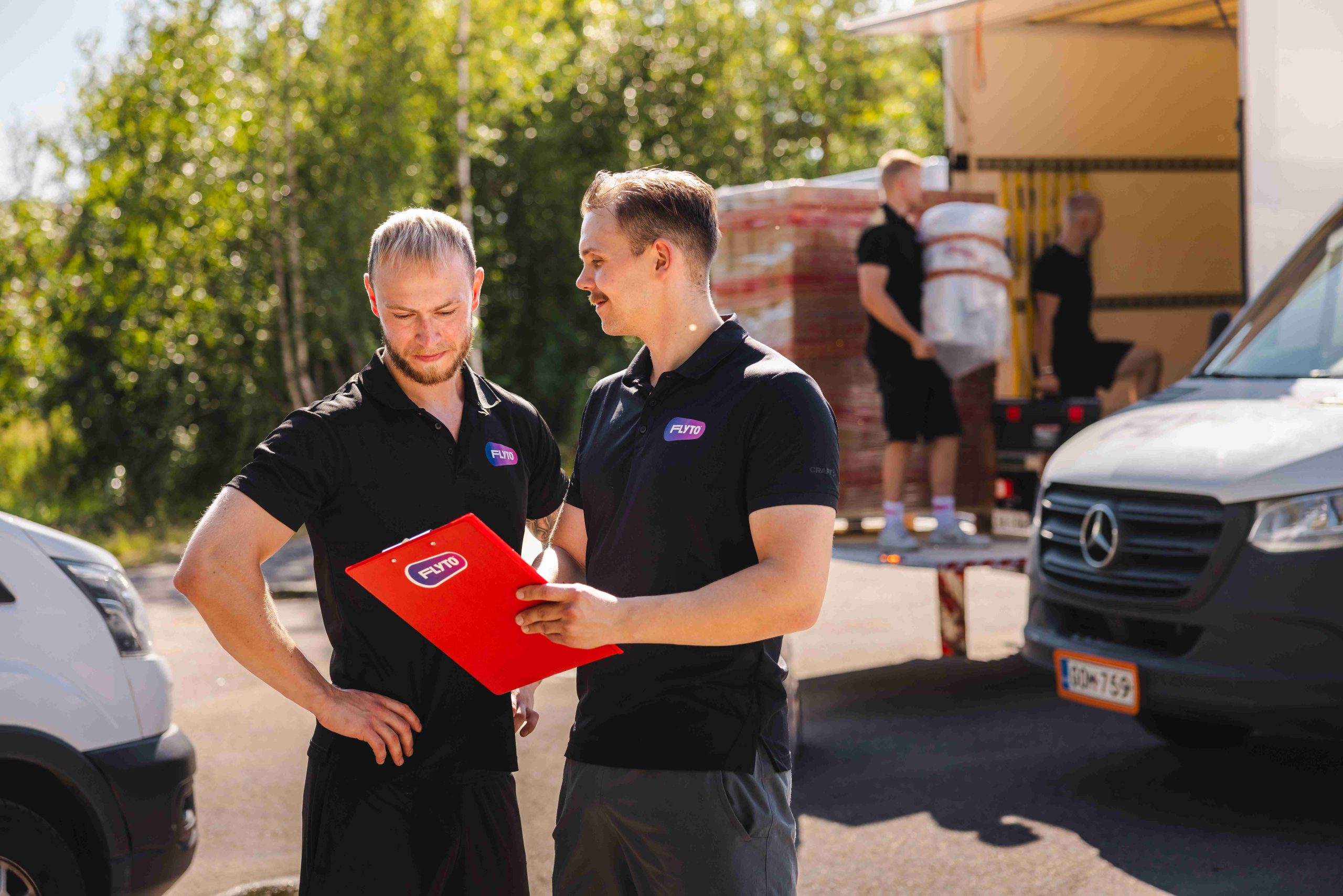
Key takeaways
- Switzerland is outside the EU customs union, so unlike an EU-to-EU move, your household goods must clear Swiss customs — but genuine removal goods you’ve owned and used for at least 6 months enter duty- and VAT-free using form 18.44, provided the import happens around the time you actually transfer your domicile (BAZG/OFDF, "Déménagement en Suisse"; Form 18.44).
- No visa or work permit needed: under the EU–Switzerland Agreement on the Free Movement of Persons (ALCP, in force since 2002), EU/EFTA citizens can live and work in Switzerland; the requirement is registration, not authorisation (EDA, Libre circulation des personnes).
- Register with your commune within 14 days of arrival to obtain your residence permit (Permis B UE/AELE for employees on contracts of 12+ months, valid 5 years) (SEM, Permis B UE/AELE).
- Health insurance (LAMal) is compulsory within 3 months of taking up residence, with cover backdated to your arrival date if you meet the deadline (BAG/OFSP, obligation de s’assurer).
- Notify French health insurance (CPAM) within one month of leaving using the "déclaration de transfert de résidence hors de France" (cerfa 15717*01 / S1105) and return your Carte Vitale (ameli.fr).
- Your French driving licence stays valid for the first 12 months; exchange it for a Swiss licence before that deadline — France has a mutual-recognition agreement with Switzerland so the exchange is issued without a driving test if applied for in time (a control drive can be required if you exchange after 5 years of residence without having driven regularly) (État de Vaud, échanger un permis de conduire étranger).
- Vehicles need Swiss customs clearance, a technical inspection ("expertise"), and Swiss plates; if imported as part of your house move, forms 18.44/13.20A cover the same duty-free relief as your household goods (BAZG, importation définitive voiture de tourisme).
- Update your French tax status the year you leave, splitting your return between form 2042 (income before departure) and form 2042-NR (French-source income after departure) (impots.gouv.fr, je pars vivre à l’étranger).
1. What actually applies: free movement of people, but real customs for goods
This is the detail that trips people up on this specific corridor. Switzerland is a member of EFTA and part of the Schengen area, and under the ALCP its citizens and EU/EEA citizens enjoy mutual free-movement rights that go far beyond a standard third-country arrangement — covering the right to work, professional-qualification recognition, and social-security coordination (EDA, Libre circulation des personnes). You do not need a visa or work permit to move from France to Switzerland as an EU citizen.
But Switzerland is not in the EU customs union or the EU VAT area. That means your shipment of household goods must be formally declared at the Swiss border — this is a real customs process, unlike a move between two EU member states. The good news: Swiss customs (BAZG/OFDF) grants duty-free and VAT-free admission for genuine removal goods (your own used furniture, electronics, personal effects) via form 18.44, provided:
- you have owned and personally used the goods for at least 6 months before the move and continue using them after import;
- the goods are imported close to the time you actually transfer your domicile to Switzerland (later shipments must be declared on the same form, listed separately);
- you can show proof of the move (Swiss employment contract or lease, and confirmation of your change of address) (BAZG, procédure à suivre).
New items, gifts, or goods bought shortly before the move do not qualify for the relief and may attract Swiss VAT/duty. Keep receipts and an inventory ready for the border crossing or your moving company’s customs agent.
For the practical side of the move – crews, customs paperwork and a fixed price – start here: international movers in France.
2. Leaving France: what to close, cancel, and declare
France has no centralised "de-registration" civil register comparable to Germany’s Abmeldung — there is no single office where you formally declare you are leaving the country. Instead, several administrative threads need closing individually:
- Health insurance (CPAM): submit the "déclaration de transfert de résidence hors de France" (cerfa n°15717*01 / form S1105) to your CPAM within one month of your departure date, and return your Carte Vitale and European Health Insurance Card before you leave (ameli.fr).
- Income tax: the year you leave, you file two segments — form 2042 for income earned while still a French tax resident, and form 2042-NR for French-source income received after your departure date; going forward, the Service des Impôts des Particuliers Non-Résidents (SIP-NR) becomes your contact (impots.gouv.fr, je pars vivre à l’étranger; impots.gouv.fr, je pars à l’étranger).
- Address change to multiple bodies at once: the service-public.fr "changement d’adresse" teleservice can notify several administrations in a single form when you move within France; when you move abroad, notify each body (CPAM, tax office, employer, CAF, Pôle Emploi) individually, since the automated teleservice targets moves within France (service-public.fr).
- Vehicle: if you’re taking your own already-registered car with you, there is no special French export declaration required just to drive it out of the country — that customs paperwork applies to commercial vehicle sales/exports, not a personal relocation. Your French carte grise (registration certificate) stays valid for the trip; the formal process happens on arrival, when Swiss customs clears the vehicle and it’s re-registered with Swiss plates (see Section 4) (douane.gouv.fr, exportation d’un véhicule; service-public.fr, véhicule et départ à l’étranger).
- Driving licence: no exchange needed to leave — your French licence keeps its validity and is what you’ll present at your Swiss commune.
- Banking, employer, schools, utilities: notify your bank of your new tax residency (banks apply automatic exchange-of-information rules once you’re Swiss-resident), give notice on your lease/utilities, and get school records transferred if you have children.
3. How your household goods actually move (freight-industry estimates)
For a France–Switzerland relocation, the near-universal mode is road transport by truck, sometimes with a transfer at a consolidation depot for smaller shipments. There is no meaningful sea or rail freight option for household goods on this corridor given the short overland distances. Typical routes and indicative transit times (these are freight-industry planning estimates, not official figures, and vary with shipment size, customs processing, and border/mountain-pass conditions):
- Paris → Geneva (~540 km road): typically 1–3 days door-to-door for a full truckload, depending on customs slot availability at the border.
- Paris → Zurich/Basel (~490–600 km road): similar 1–3 day range.
- Lyon/Annecy → Geneva (~150 km): often same-day to next-day for local/regional movers.
- Marseille/Nice → Geneva or Lausanne (~470–700 km): typically 2–4 days.
Add buffer time for the Swiss customs appointment (form 18.44 processing at the entry customs office) and for the vehicle/technical inspection ("expertise") if you’re also importing a car. Consolidated (shared-load) shipments generally take longer than exclusive full-truck moves because of multiple stops.
4. Arriving in Switzerland: registration, health cover, tax, licence
Register with your commune within 14 days of arrival. EU/EFTA nationals staying more than 3 months complete the "annonce d’arrivée" (arrival declaration) at the Contrôle des habitants of their new commune, presenting a valid ID/passport, proof of housing (lease or landlord attestation), and a passport photo. The cantonal migration office then issues your Permis B UE/AELE (residence permit), generally for employment contracts of 12 months or more; it is valid 5 years and renewable (SEM, Permis B UE/AELE; example: Ville de Genève, annonce d’arrivée). Processing time and exact document lists vary by canton and commune, so check your specific Contrôle des habitants.
Health insurance is compulsory within 3 months of taking up residence. Every person domiciled in Switzerland must subscribe to a LAMal basic insurance policy from a Swiss insurer of their choice; if you register within the 3-month window, cover is backdated to your arrival date. Miss the deadline and cover starts only from the date you affiliate, a premium surcharge can apply, and you risk being assigned an insurer automatically by the canton (OFSP/BAG, obligation de s’assurer).
Tax registration: as a Permis B holder without a settlement permit (Permis C), you are generally taxed at source ("impôt à la source") — your employer withholds federal, cantonal and communal tax directly from your salary each month and remits it to the cantonal tax administration. Depending on income level and canton, you may also need to file a supplementary ordinary tax return, particularly if you have other income, assets, or a spouse who is a Swiss/Permis C taxpayer (ch.ch, l’impôt à la source suisse).
Driving licence: your French licence is valid to drive in Switzerland for 12 months from your arrival date (as shown on your residence permit). Because France has a mutual-recognition agreement with Switzerland, you can exchange it for a Swiss licence without a driving test — but you should apply before the 12-month deadline to avoid a gap in your right to drive; if you request the exchange after 5 years of residence, a practical control drive can be required if you haven’t driven regularly (État de Vaud, échanger un permis de conduire étranger).
Vehicle import: if you bring your car, Swiss customs (BAZG) first determines its customs status; for a genuine house move, forms 18.44 (and 13.20A for the vehicle itself) apply the same 6-month-ownership duty relief as your household goods. After customs clearance, the vehicle must pass a Swiss technical inspection ("expertise") before being issued Swiss plates at the cantonal Office des véhicules (BAZG, importation définitive — voiture de tourisme).
5. Moving with pets
Dogs, cats and ferrets travelling from France (EU) to Switzerland need: a microchip (ISO 11784/11785) implanted before vaccination, a valid rabies vaccination given at least 21 days before travel, and a valid EU (or Swiss) pet passport issued by an authorised vet — get it done before you leave France, since an EU pet passport is issued to owners resident in the EU (BLV/OSAV, travelling with dogs, cats and ferrets; Your Europe, pets and other animals). If your pet already meets all Swiss entry conditions before travel, no additional Swiss import authorisation is needed beyond the passport, chip, and vaccination record — Switzerland applies no quarantine for properly documented pets arriving from the EU.
6. Money, banking, and things people forget
- Currency: Switzerland uses the Swiss franc (CHF), not the euro — budget for exchange-rate exposure on rent, salary conversion, and moving costs.
- Cost of living: Swiss rent, groceries, and health-insurance premiums are typically markedly higher than in France; get LAMal premium quotes for your canton before you commit to a lease.
- Deposits: Swiss rental deposits are commonly held in a blocked bank account ("compte de garantie de loyer") — opening a Swiss bank account early in the process helps.
- Cross-border banking: notify your French bank and any investment/life-insurance providers of your change of tax residency; French assurance-vie and PEA products have specific non-resident tax treatment — get advice from a cross-border tax specialist before you leave.
- AVS/pension: Switzerland’s social-security system (AVS/AI) is separate from the French system; contributions and entitlements are coordinated under the EU–Switzerland social security agreement (part of the ALCP), but registering promptly avoids gaps.
- School enrolment and language: confirm the local school system’s registration deadlines — these vary significantly by canton and by German/French/Italian-speaking region.
How Flyto handles your France to Switzerland move
Flyto operates its own offices, warehouses, and moving teams across Northern, Central and Southern Europe, giving us direct control over loading, transport, and delivery on well-travelled corridors like France to Switzerland. For the final Swiss customs clearance, technical vehicle formalities, and any leg outside our own network’s reach, we work with a carefully vetted network of local partners and subcontractors, so you get one point of contact managing the whole move even where multiple specialists are involved.
Frequently asked questions
Do I need a visa to move from France to Switzerland?
No. As an EU/EFTA citizen you have the right to live and work in Switzerland under the EU–Switzerland Agreement on the Free Movement of Persons; you register with your new commune rather than apply for a visa (EDA, ALCP).
Will I pay customs duty on my furniture and belongings?
Not if they qualify as genuine removal goods you’ve owned and used for at least 6 months — these clear Swiss customs duty- and VAT-free using form 18.44. New purchases or gifts may be taxed (BAZG, form 18.44).
How long can I drive on my French licence in Switzerland?
Twelve months from your arrival date, after which you must exchange it for a Swiss licence; the France–Switzerland mutual-recognition agreement means no driving test is required if you apply in time (État de Vaud).
Is my French health insurance (Carte Vitale) still valid once I move?
No — you must notify CPAM within one month of leaving and return your Carte Vitale; in Switzerland you are required to take out LAMal basic health insurance within 3 months of arrival (ameli.fr; OFSP/BAG).
What happens to my French car when I move?
You can drive it across the border without any special French export procedure for a personal move, but you’ll need Swiss customs clearance (form 18.44/13.20A if it qualifies as removal goods), a Swiss technical inspection, and Swiss plates before you can register and drive it long-term in Switzerland (BAZG, importation définitive voiture de tourisme).
How is my income taxed the year I move?
France splits your tax year at your departure date: form 2042 covers income while still resident, form 2042-NR covers French-source income after you leave. In Switzerland, most Permis B holders are taxed at source directly from their salary (impots.gouv.fr; ch.ch).
Sources
- BAZG/OFDF — Déménagement en Suisse : procédure à suivre
- BAZG/OFDF — Formulaire 18.44, traitement douanier des effets de déménagement
- BAZG/OFDF — Importation définitive en Suisse, voiture de tourisme
- EDA — Libre circulation des personnes (ALCP)
- SEM — Permis B UE/AELE (autorisation de séjour)
- Ville de Genève — Annoncer une arrivée à Genève
- OFSP/BAG — Assurance-maladie : obligation de s’assurer pour les assurés domiciliés en Suisse
- ch.ch — L’impôt à la source suisse
- État de Vaud — Échanger un permis de conduire étranger
- BLV/OSAV — Travelling with dogs, cats and ferrets
- Your Europe (europa.eu) — EU rules on travelling with pets
- ameli.fr — Vous êtes travailleur expatrié à l’étranger
- impots.gouv.fr — Je pars vivre à l’étranger, quelles démarches dois-je accomplir ?
- Service-public.fr — Que faire de son véhicule quand on part s’installer à l’étranger
- Douane.gouv.fr — Exportation hors de l’Union européenne d’un véhicule à moteur acheté en France