

Moving from Italy to Switzerland (2026): Complete Guide

Italy to Switzerland is a short, land-only corridor — but it crosses a real external border. Switzerland is a Schengen and EFTA member with a bilateral free-movement agreement with the EU, yet it sits outside the EU and outside the EU customs union. That means the "no paperwork, no borders" experience of an intra‑EU move (say, Italy to France) doesn’t fully apply here: your household goods do go through a formal customs declaration. The good news is that Switzerland grants full duty and VAT relief for genuine removal goods, and as an Italian/EU citizen you don’t need a visa or work permit — just timely registration on both ends. This guide is for Italian residents (and other EU/EFTA nationals living in Italy) relocating to Switzerland for work, family or retirement.
Key takeaways
- Switzerland is not in the EU customs union, so your shipment does cross a formal customs border — but genuine removal goods you’ve owned and used for at least 6 months qualify for full duty- and tax-free import on Form 18.44, as long as everything arrives within 24 months of your move (BAZG).
- As an Italian/EU citizen you need no visa or work permit to move to Switzerland under the bilateral EU–Switzerland Agreement on the Free Movement of Persons — but you must register with your new commune within 14 days of arrival (SEM).
- On the Italian side, you must declare your move to the competent Italian consulate within 90 days, which registers you with AIRE and cancels your registration in your old comune’s resident registry (APR) (Ministero degli Affari Esteri — Consolato Generale d’Italia a Lugano).
- You must take out mandatory Swiss health insurance (LAMal/KVG) within 3 months of taking up residence; if you enrol in time, cover applies retroactively to your arrival date, with no insurer allowed to reject you (BAG).
- Moving to Switzerland doesn’t automatically end your Italian tax residency: AIRE registration alone isn’t enough, and the tax authority applies presence, domicile and habitual-residence tests. Get advice and keep evidence of your genuine move (Agenzia delle Entrate, Circolare n. 20/E of 4 November 2024).
- Pets need an EU pet passport, a microchip (fitted before vaccination) and a rabies vaccination that becomes valid 21 days after it’s given — plan the sequence well ahead of your move date (BLV/FSVO).
- Your Italian driving licence stays usable for a grace period after you take up Swiss residence, after which EU/EEA licences are normally exchanged for a Swiss one without a driving test — confirm the current deadline and process with your cantonal road traffic office (Strassenverkehrsamt/service des automobiles/ufficio della circolazione) when you register.
1. Free movement of people, real customs for goods
Because Switzerland is in Schengen and bound to the EU by bilateral treaties (including the Agreement on the Free Movement of Persons, AFMP), Italian and other EU citizens can move there without a visa or a work permit. The only administrative step on the people side is registering with your new commune within 14 days of arrival (SEM — details in Section 4).
Goods are different. Switzerland is not part of the EU customs union, so household effects moving from Italy do cross a formal customs frontier, typically at an Alpine road crossing (Chiasso/Stabio, the Gotthard corridor, Simplon or Grand‑Saint‑Bernard). In practice this is not costly or slow if you use the Swiss Federal Office for Customs and Border Security’s (BAZG) relocation relief: goods declared as Übersiedlungsgut (removal goods) on Form 18.44 are imported completely duty- and VAT-free, provided you (a) are genuinely transferring your domicile to Switzerland, (b) have personally used the goods for at least 6 months before the move, (c) continue using them afterward, and (d) bring everything in within 24 months of the move (BAZG). EU/EFTA citizens don’t need to hold a residence permit before crossing to prove the move — an employment contract, lease or comparable document is accepted instead. Sending your relocation file for advance clearance at least two working days before crossing speeds up the process at the actual border (BAZG).
If you still need to book the removal – price ranges, what is included and the questions to ask before you sign – see international movers to Italy.
2. Leaving Italy: what to close out
Register your move with the consulate (AIRE). Every Italian citizen relocating abroad for more than 12 months must declare the move to the competent Italian consulate — for a move to Switzerland, the consulate covering your new place of residence — within 90 days. This registers you in AIRE (Anagrafe degli Italiani Residenti all’Estero) and simultaneously cancels you from the resident population registry (APR) of your Italian comune (Consolato Generale d’Italia a Lugano — AIRE).
Don’t assume AIRE ends your Italian tax residency by itself. Under Italian tax rules (as clarified by the 2023–2024 reform of the residency test), residency turns on where you actually spend your time, your habitual home and where your personal and economic interests are centred — not just your civil registration status. The Agenzia delle Entrate’s operational guidance, Circolare n. 20/E of 4 November 2024, sets out the criteria examiners apply following the reform (Decreto Legislativo 209/2023): physical presence, domicile, habitual residence and civil registration. It’s worth reviewing with a cross-border tax advisor before you assume you’re clear of Italian tax obligations (Agenzia delle Entrate).
Wind down Italian healthcare. Workers moving with a Swiss employment contract will enrol in Swiss LAMal/KVG insurance (Section 4) and can deregister from Italy’s SSN. Italian pensioners keeping their pension after the move should check with their ASL (Azienda Sanitaria Locale) about applying for Modello S1, which — under the EU/EFTA social security coordination rules that also apply to Switzerland via the bilateral agreement — can transfer entitlement to healthcare in Switzerland charged back to Italy, in place of routine tessera sanitaria coverage (Ministero della Salute).
Vehicle and licence: keep your ownership documents and Italian registration papers handy — you’ll need them for the BAZG relocation clearance and for cantonal re-registration on arrival (Section 4).
3. How your household goods actually move
There’s no sea or ferry leg on this corridor — everything travels by road across the Alps. Real-world routing depends on where in Italy you start:
- Milan/Northern Italy → Zurich or Ticino: via the A9/Chiasso–Stabio crossing or the Gotthard corridor (A2), roughly 230–280 km.
- Rome/Central Italy → Zurich or Geneva: roughly 850–950 km.
- Naples/Southern Italy or the islands → Switzerland: often consolidated as groupage with other shipments.
These distances translate into rough industry planning windows — same-day to next-business-day for the northern corridor on a dedicated truck, one to two business days from central Italy, and several business days from the south once collection and consolidation are factored in — but they are planning estimates, not guarantees. Actual timing depends on load consolidation, the season (Alpine passes can see winter weather delays) and whether the BAZG advance-clearance paperwork was filed before the crossing, which helps avoid queueing at the border itself.
4. Arriving in Switzerland: registering and settling in
Register at the commune (Gemeinde/commune/comune) within 14 days. This is the core administrative task for an EU/EFTA citizen — there’s no visa to apply for, but you must present ID and proof of your situation (employment contract, sufficient means, health insurance) to receive a residence permit: broadly, Permit L for short-term contracts, Permit B (renewable, typically issued for around 5 years to those with a longer-term contract or self-employment) for longer stays, or Permit C (settlement) after a period of continuous lawful residence. Exact validity periods and thresholds are set by SEM and your canton, so confirm the details that apply to your situation when you register (SEM).
Enrol in mandatory health insurance (LAMal/KVG) within 3 months. Every Swiss resident must take out basic health insurance; if you enrol within the deadline, coverage applies retroactively to your date of residence, and no insurer may reject you regardless of health status. Enrolling late means cover only starts from enrolment, and a surcharge may apply unless the delay is justified (BAG).
Register for tax. Employees on a B permit are generally taxed at source (Quellensteuer/impôt à la source), with the employer withholding income tax directly from salary according to cantonal tariffs, under the federal framework set out in ESTV Circular Letter No. 45 (ESTV); C-permit holders generally move to ordinary cantonal tax assessment and file annual returns. Cantonal practice varies, so confirm with your commune or a local tax advisor.
Exchange your driving licence. A foreign driving licence normally remains usable for a grace period after you take up Swiss residence, after which EU/EEA licence holders exchange it for a Swiss one at their cantonal road traffic office — typically without a driving test. Requirements and timelines are set at cantonal level, so confirm the current deadline and documents needed when you register your address.
Re-register your car. A vehicle you’ve personally owned and used for at least 6 months can qualify for the same relocation duty/VAT relief as your household goods when declared together with them (BAZG — FAQ on removal goods). After customs clearance, present the resulting inspection report to your cantonal vehicle licensing office, along with the vehicle’s technical documents, for Swiss plates and a roadworthiness check (BAZG — vehicle import: customs and taxes).
5. Moving your pets
Dogs, cats and ferrets travelling from an EU country need a microchip (fitted before vaccination), a recognised EU pet passport, and a rabies vaccination — the first vaccination is possible from 12 weeks of age and only becomes valid 21 days after it’s given, so plan the sequence well before you travel. Once you’ve arrived, check with your veterinarian or canton about any local registration steps for dogs, and use the BLV/FSVO’s online "Entry check" tool beforehand to confirm the exact requirements for your specific pet and travel dates (BLV/FSVO).
6. Money, banking, and things people forget
Switzerland uses the Swiss franc (CHF), not the euro, so budget for exchange-rate exposure and card fees, and expect a noticeably higher cost of living than in Italy. Opening a Swiss bank account typically requires your commune registration confirmation and residence permit, so many new arrivals keep their Italian account active during the first weeks. Switzerland is outside the EU/EEA, so it isn’t covered by "roam like at home" EU roaming rules — check your Italian mobile plan’s Swiss rates or get a local SIM early. Swiss landlords commonly ask even newcomers for a Betreibungsauszug (debt-collection register extract) before signing a lease, which takes a little lead time to obtain once you’re registered — factor it into your housing search.
How Flyto handles your Italy to Switzerland move
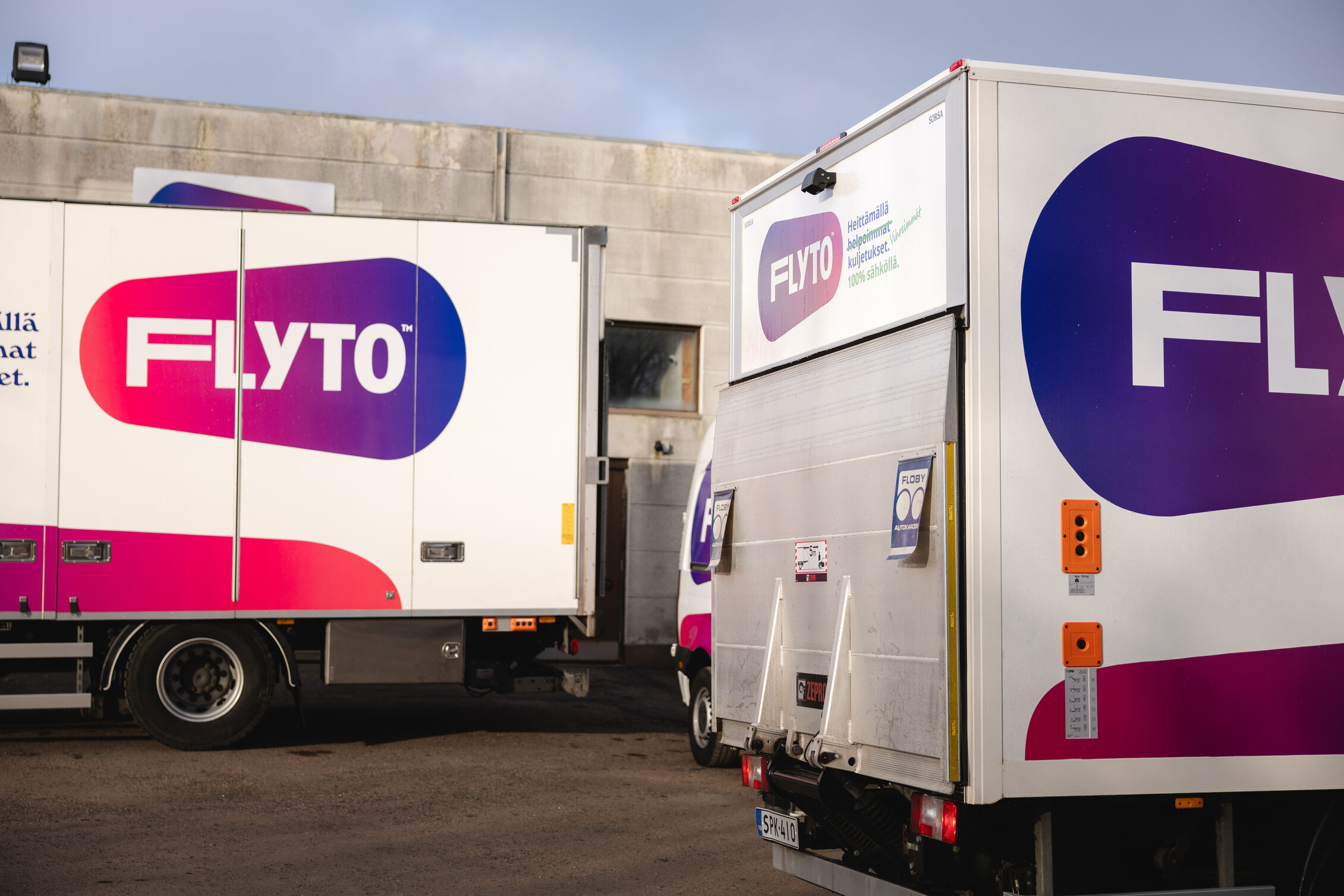
Flyto runs its own offices, warehouses, crews and vehicles across Northern, Central and Southern Europe, so the Italian collection and the cross-Alpine road leg are typically handled with in-house teams who know the Chiasso and Gotthard crossings well. For destinations or peak-season capacity beyond our own fleet, we work with a carefully vetted network of partner carriers and customs agents in Switzerland, so your BAZG Form 18.44 clearance and delivery are still coordinated as one move, not two.
Frequently asked questions
Do I need a visa to move from Italy to Switzerland?
No. Under the bilateral EU–Switzerland Agreement on the Free Movement of Persons, Italian citizens can move, live and work in Switzerland without a visa or work permit — you just need to register with your new commune within 14 days (SEM).
Will I pay customs duty on my furniture and belongings?
Not if they qualify as removal goods: personally used for at least 6 months, imported for continued personal use, and brought in within 24 months of your move, declared on BAZG Form 18.44 (BAZG).
How long can I drive on my Italian licence before exchanging it?
Switzerland allows a grace period after you take up residence before EU/EEA licences must be exchanged for a Swiss one, generally without a driving test. Confirm the exact deadline and documents with your cantonal road traffic office when you register your address, since administration is handled at cantonal level.
What happens to my Italian pension healthcare cover after I move?
If you keep drawing an Italian pension, check with your ASL about applying for Modello S1 before you go — under EU/EFTA social security coordination it can transfer your entitlement to Swiss healthcare, billed back to Italy, in place of routine Italian coverage (Ministero della Salute).
Do I still owe Italian tax after I move?
Possibly, at least for a transition period. AIRE registration alone doesn’t automatically end Italian tax residency; the Agenzia delle Entrate applies presence, domicile and habitual-residence tests. Get advice and document your genuine Swiss ties (lease, tax registration, family presence) (Agenzia delle Entrate).
Can I bring my dog or cat?
Yes — an EU pet passport, microchip and a rabies vaccination that’s been valid for at least 21 days are required. Check the BLV/FSVO’s entry-check tool ahead of travel for any additional steps that apply to your pet (BLV/FSVO).
Sources
- BAZG — Moving (household effects)
- BAZG — Relocation import Switzerland: procedure
- BAZG — FAQ on removal goods
- BAZG — Vehicle import Switzerland: customs and taxes
- SEM — FAQ: Free Movement of Persons
- BAG — Health insurance: requirement for persons resident in Switzerland
- BLV/FSVO — Travelling with dogs, cats and ferrets
- ESTV — Circular Letter No. 45: Withholding tax on employment income
- Consolato Generale d’Italia a Lugano — AIRE (Registry of Italians Residing Abroad)
- Agenzia delle Entrate — Circolare n. 20/E del 4 novembre 2024, residenza fiscale
- Ministero della Salute — Assistenza sanitaria ai titolari di pensione italiana all’estero (Modello S1)