

Moving from Belgium to Canada (2026): Complete Guide

The Belgium-to-Canada corridor is a transatlantic move with two distinct halves, and getting either one wrong costs you weeks and money. On the departure side you leave the EU customs territory, deregister from your Belgian commune, and close out your Belgian tax residency. On the arrival side you enter as a "settler" and account for every box to the Canada Border Services Agency (CBSA) so your household goods clear duty- and tax-free. This guide walks through both ends in the order you will actually meet them, whether you are a professional relocating to Toronto, a family joining relatives in Vancouver, or a student turned permanent resident in Montréal. It also covers pets, vehicles, money, and a short note on doing the move in reverse.
Key takeaways
- Your Canadian immigration status drives the customs outcome: to import belongings duty-free as a "settler," you must enter Canada intending to establish residence for not less than 12 months (CBSA Memorandum D2-2-1).
- Belgium’s customs authority is the General Administration of Customs and Excise, part of the FPS Finance (FPS Finance – Customs and Excise).
- Before leaving Belgium permanently you must report to your commune in person, no later than the day before departure, and be deregistered from the population registers (IBZ – FPS Home Affairs).
- Leaving Belgium also triggers tax steps with the FPS Finance, including a return for income that remains taxable in Belgium (FPS Finance – Leaving Belgium: Tax return).
- In Canada you declare household goods on Form BSF186, the Personal Effects Accounting Document (formerly Form B4), listing both goods with you and "goods to follow" (CBSA – Form BSF186).
- Currency or monetary instruments of CAN$10,000 or more must be reported to the CBSA on entry (CBSA Memorandum D2-2-1).
- Pet dogs and cats are governed by the Canadian Food Inspection Agency (CFIA), and CBSA officers can refuse or detain an animal without the required certificates (CBSA – Travelling with animals).
- The main sea gateway is the Port of Antwerp-Bruges, Belgium’s combined Antwerp and Zeebrugge port complex (Port of Antwerp-Bruges).
1. How your Canadian status decides everything at customs
Before you price a container, settle one question: how do you enter Canada? The duty-free treatment of your household goods is not automatic — it is tied to a specific tariff category. Under CBSA Memorandum D2-2-1, a settler is a person who "enters Canada with the intention of establishing, for the first time, a residence for a period of not less than 12 months." Settlers may import personal and household effects free of duty and tax, provided the goods were owned, possessed, and used abroad before arrival.
People who come only to work for 36 months or less, or to study, are generally not treated as settlers for this purpose, though someone who later becomes a permanent resident after a longer stay can qualify (CBSA D2-2-1). The practical rule: if your move to Canada is temporary, do not assume the settler exemption applies — confirm your category before shipping, because it determines whether your shipment clears free or attracts duty and GST/HST.
2. The Belgium export side: customs, commune, and tax exit
The customs authority. All goods leaving the EU customs territory for a third country such as Canada fall under Belgium’s General Administration of Customs and Excise, part of the FPS Finance. Belgian Customs collects and checks import duties, excise and import VAT, and administers the customs procedures under which goods are declared. Because Canada sits outside the EU, your household removal is an export: your international mover (or a customs agent) lodges an electronic export declaration with Belgian Customs on your behalf before the shipment leaves. Keep your passport or ID and proof of your move ready, as these support the declaration.
Deregistering from your commune. This is the step people most often overlook, and it has legal and tax consequences. Any EU citizen and their family members leaving Belgium permanently must report in person to the municipal administration no later than the day before departure, surrender their residence document, and be removed from the population registers (IBZ – FPS Home Affairs). Your commune records a deregistration date, which becomes the official date you cease to be a Belgian resident. If you are away for less than a year and intend to return, a different "temporary absence" certificate applies instead.
Closing your tax residency. Belgium determines residence by your domicile or the primary location of your assets — where you actually live or manage the centre of your economic and financial interests (FPS Finance – Leaving Belgium: Tax return). When you move your household abroad, the FPS Finance instructs you to take several steps, and if you still receive income that remains taxable in Belgium, you must file the relevant return (FPS Finance). Because the commune deregistration flows through the National Register to the tax administration, keeping those dates consistent matters. Do not treat this as optional paperwork: your deregistration date, your last Belgian return, and your arrival date in Canada should tell one coherent story.
3. Ports, airports, and transit times
Belgium is one of Europe’s strongest logistics bases, which works in your favour. Almost all sea freight leaves through the Port of Antwerp-Bruges, the merged complex covering the deep-water quays at Antwerp and the roll-on/roll-off and container terminals at Zeebrugge (Port of Antwerp-Bruges). For pets travelling in the cabin or hold and for passenger-accompanied air freight, Brussels Airport is Belgium’s main passenger airport and a major air-cargo hub (Brussels Airport).
Transit times below are freight-industry estimates, not official government figures, and they vary with sailing schedules, weather, and Canadian port congestion:
- Sea, port-to-port (estimate): roughly 2 to 3 weeks from Antwerp/Zeebrugge to eastern Canadian ports such as Montréal or Halifax; longer to Vancouver via the Panama route.
- Sea, door-to-door (estimate): commonly 6 to 10 weeks once packing, consolidation, sailing, customs clearance, and final delivery are combined.
- Air, door-to-door (estimate): typically 1 to 2 weeks, with the flight itself a day or two.
Treat any single quoted number as a planning midpoint, not a promise. Build a buffer, and never book Canadian furniture deliveries or rental move-in dates tightly against a shipment’s estimated arrival.
4. The Canada import side: BSF186 and the settler process
When you arrive, you declare your belongings to the CBSA on Form BSF186, the Personal Effects Accounting Document (previously Form B4). It is the standard form for settlers, former residents, seasonal residents, and beneficiaries to account for imported personal and household goods (CBSA – Form BSF186).
The mechanics matter:
- Declare at your first point of entry, even if your container has not yet arrived. You list goods accompanying you and, separately, "goods to follow."
- Under CBSA D2-2-1, there is no time limit for importing the goods to follow — but they must have been declared on your original accounting. Items not listed at first entry can lose their duty-free status.
- Prepare a detailed inventory with values, and mark serial numbers for electronics, appliances, and anything valuable. The officer relies on your list.
- The CBSA stamps and retains a copy; your mover or customs broker uses it to clear the shipped portion when it lands.
Because the exemption depends on goods having been owned, possessed, and used before you arrived, brand-new, still-boxed purchases can be treated differently from your genuine used household effects. Completing the accounting carefully at the border is what keeps a household shipment moving smoothly through Canadian customs.
5. Pets: the rules at both ends
Leaving Belgium. Cats and dogs travelling out of the EU move on an EU pet passport or an animal health certificate, with an ISO microchip and a valid rabies vaccination — the baseline that Belgian veterinarians already apply for EU pet movements. Your vet and airline confirm the paperwork for the specific route.
Entering Canada. Live-animal import requirements are set by the Canadian Food Inspection Agency (CFIA), and CBSA border officers may refuse entry, confiscate, or detain an animal that lacks the required permits or certificates or shows signs of illness (CBSA – Travelling with animals). Confirm the exact, current requirements for your animal through the CFIA’s pet import requirements and interactive tool before you fly.
In general, dogs and cats entering Canada must meet CFIA rabies vaccination requirements, with a certificate that identifies the animal, in English or French, signed by a licensed veterinarian; a microchip is standard practice for identification. Belgium is not a country CFIA classifies as high-risk for dog rabies, so a personal pet accompanying its owner is normally handled as a straightforward personal import rather than a commercial one. That distinction is important: since 28 September 2022, commercial dogs from countries at high risk for dog rabies are prohibited, and a personal pet is one that lives with you and is not being transferred to someone else (CFIA – dogs). Verify your case with CFIA before travel, because its requirements change.
6. Vehicles, money, and things people forget
Vehicles. Cars are the classic trap. A settler may be able to include a vehicle among personal effects on the BSF186 (CBSA D2-2-1), but customs eligibility is separate from admissibility — the vehicle must also satisfy Transport Canada and provincial safety and emissions rules, and many European models are not certified for import. Check admissibility before you ship a car; shipping first and asking later is how vehicles end up stranded at a Canadian port.
Money. You can bring any amount of funds, but you must report currency or monetary instruments totalling CAN$10,000 or more on entry to Canada (CBSA D2-2-1). It is a reporting rule, not a tax — failing to report is what triggers penalties and seizure.
Commonly forgotten items. Alcohol and tobacco carried in your effects are limited and can attract duty even for settlers (CBSA D2-2-1). Food, plants, wood items, and certain other goods face separate CFIA controls. And keep your stamped BSF186 safe — it is the document that clears your later "goods to follow."
How Flyto handles your Belgium to Canada move
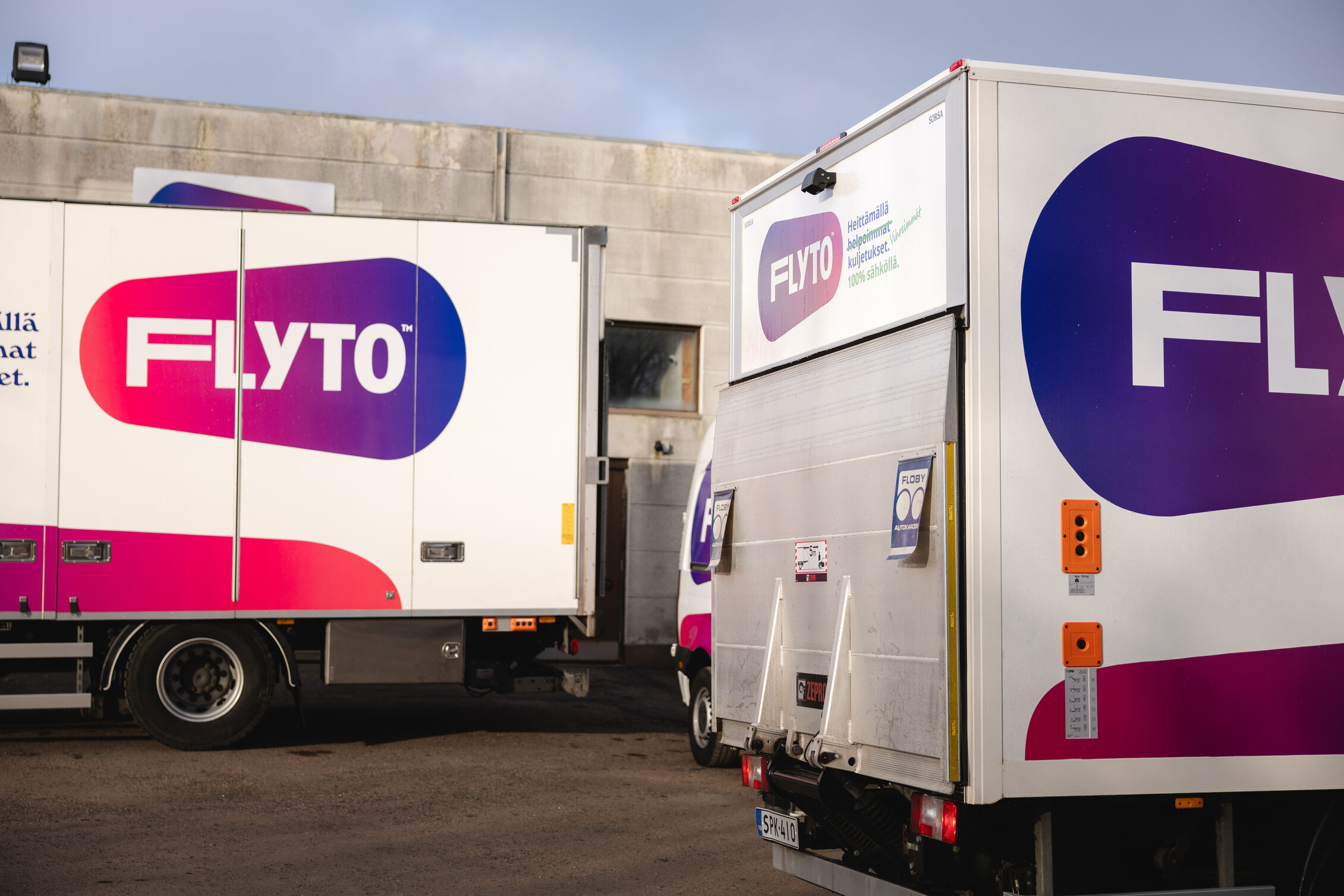
Flyto runs its own offices, warehouses, teams, and vehicles across Northern, Central, and Southern Europe, so the Belgian export leg — packing, collection, customs paperwork, and loading at Antwerp or Brussels — is handled by people we manage directly, supported where needed by a carefully chosen network of vetted partners and subcontractors. For the Canadian arrival, delivery, and final-mile clearance, we work with trusted local partners on the ground. We are honest about the split: strong in-house control in Europe, plus reliable specialists in Canada, rather than pretending we do every step ourselves worldwide.
Frequently asked questions
Do I have to deregister from my Belgian commune before I leave?
Yes. EU citizens and their family members leaving Belgium permanently must report in person to their municipal administration no later than the day before departure and be removed from the population registers (IBZ). This date also anchors your tax exit.
Will I pay Canadian duty on my furniture and belongings?
If you qualify as a settler — entering with the intention to reside for at least 12 months — your owned, used personal and household effects are generally duty- and tax-free when declared on Form BSF186 (CBSA D2-2-1; BSF186).
What if my container arrives weeks after I do?
Declare it as "goods to follow" on your BSF186 at first entry. There is no time limit for importing goods to follow, but only items you listed at arrival keep their duty-free status (CBSA D2-2-1).
Can I bring my dog from Belgium to Canada?
Usually yes, as a personal pet meeting CFIA rabies requirements. Belgium is not classed as high-risk for dog rabies, but confirm the current requirements with the CFIA before travel, because officers can refuse animals without correct certificates (CBSA; CFIA).
How long does the shipping take?
As a freight-industry estimate, sea freight from Antwerp/Zeebrugge runs about 2-3 weeks port-to-port to eastern Canada and roughly 6-10 weeks door-to-door; these are not official figures, so plan with a buffer (Port of Antwerp-Bruges).
What about moving back — Canada to Belgium?
Reversed, you would import into the EU. Belgium grants relief from import duties if you had your normal residence outside the EU for at least 12 months, the goods were owned and used for at least 6 months, and you bring them in within 12 months of settling — with a one-year no-resale condition (FPS Finance – Moving from a non-EU country to Belgium).
Sources
- FPS Finance – General Administration of Customs and Excise
- FPS Finance – Customs and Excise (procedures)
- FPS Finance – Leaving Belgium: Tax return
- FPS Finance – Moving from a non-EU country to Belgium
- IBZ (FPS Home Affairs) – Compulsory deregistration when leaving Belgium
- Port of Antwerp-Bruges
- Brussels Airport
- CBSA – Memorandum D2-2-1: Settlers’ Effects (Tariff Item 9807.00.00)
- CBSA – Form BSF186: Personal Effects Accounting Document
- CBSA – Travelling with animals
- CFIA – Bringing animals to Canada: importing and travelling with pets
- CFIA – Dogs (commercial import prohibition, high-risk rabies)