

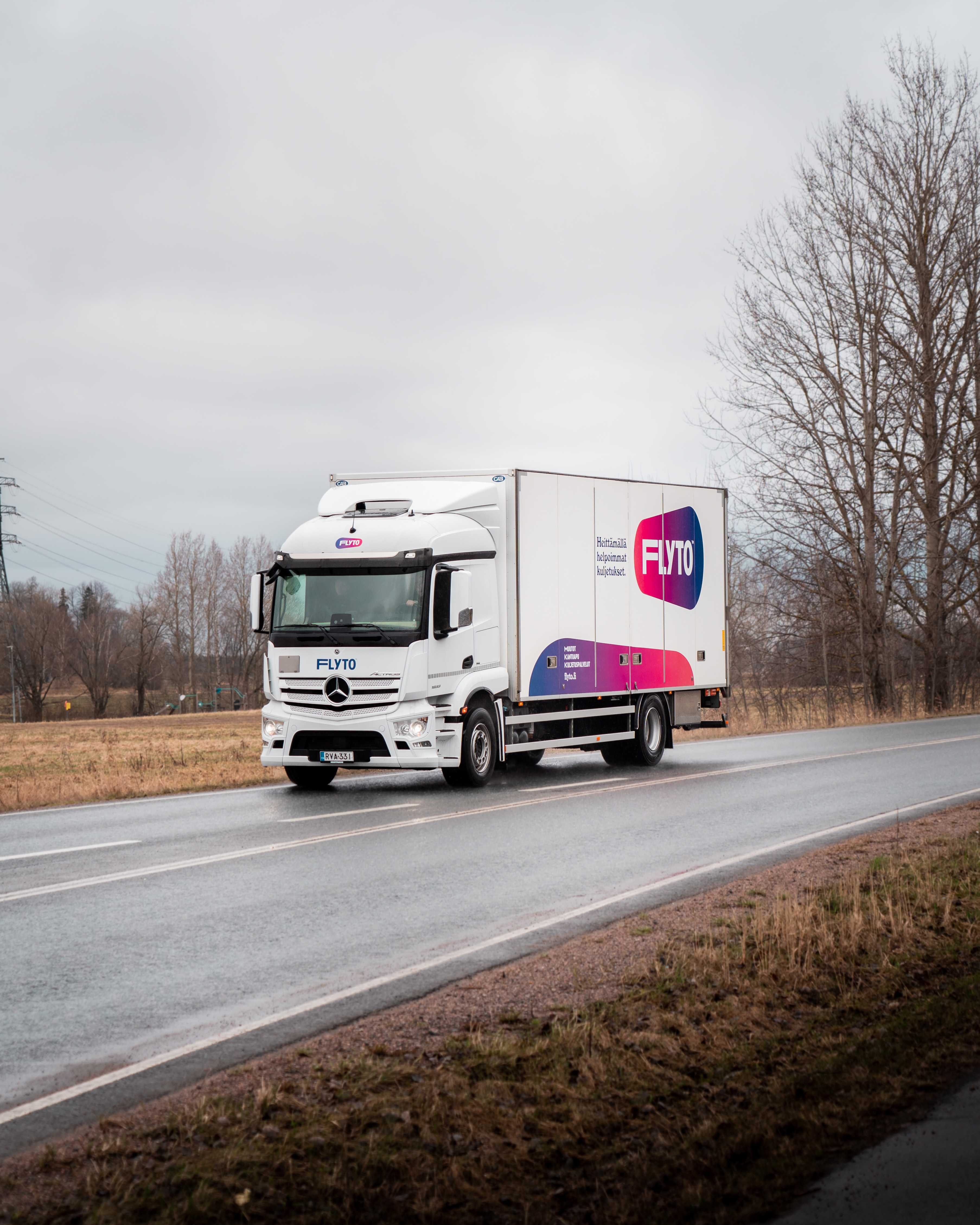
Moving from Switzerland to Norway 2026: Complete Relocation Guide

Moving from Switzerland to Norway costs from €2,450 (Silver tier, 1-bedroom) to €8,750 (Platinum tier, family home), covering approximately 1,822 km of road transport with customs clearance. As both countries are outside the EU customs union (Switzerland via bilateral agreements, Norway as EEA/Schengen), full customs documentation is required. Full-service moves typically take 5–9 days door-to-door, including border processing time.
Relocating from Switzerland to Norway in 2026 represents a significant cross-border move between two prosperous non-EU nations with distinct customs frameworks. Flyto Relocation’s team has coordinated thousands of cross-border household moves across 20 European countries since 2018, including specialized expertise in Switzerland-Norway relocations that require meticulous customs compliance. This complete guide covers everything from verified pricing and customs procedures to residency permits, timeline expectations, and practical tips for a smooth Swiss-to-Norwegian transition.
Cost of moving from Switzerland to Norway in 2026
Moving costs between Switzerland and Norway vary significantly based on shipment volume, service tier, and seasonal demand. Flyto’s verified pricing engine calculates transport costs with transparent margins and includes mandatory customs processing fees for both Swiss and Norwegian borders. Below you’ll find detailed cost breakdowns for typical household sizes and service levels.
Price breakdown by home size and service tier
| Home size | Silver (from) | Gold (from) | Platinum (from) |
|---|---|---|---|
| 1-bedroom apartment (~15 m³) | €2,450 | €3,500 | €4,500 |
| 2-3 bedroom home (~30 m³) | €3,250 | €5,150 | €6,650 |
| Family house (~60 m³) | €4,200 | €6,750 | €8,750 |
What’s included in each service tier
Flyto offers three transparent service packages for Switzerland to Norway moves, each designed for different budget and convenience needs:
- Moving van + 1 driver (helps carry)
- Furniture protection
- Transport Switzerland → Norway
- Unloading at new home
- Customs documentation & clearance
- Packing service
- Furniture disassembly
- Everything in Silver
- 2-3 professional movers
- Loading and unloading
- Careful furniture protection
- Customs expertise & support
- Box packing/unpacking
- Everything in Gold
- 2-3+ movers
- Box packing AND unpacking
- Packing materials included
- Furniture disassembly & assembly
- Full customs handling
Additional services and add-ons
Enhance your Switzerland-Norway move with professional add-on services. All prices are verified from Flyto’s pricing engine and include VAT:
We moved from Zurich to Bergen with Flyto in March 2026 and couldn’t be happier. The customs paperwork felt overwhelming at first, but their team handled everything. Our belongings arrived in perfect condition exactly when promised, and the crew was professional.
Customs procedures for Switzerland to Norway moves
Understanding customs requirements is critical for Switzerland-Norway relocations. Both countries operate outside the EU customs union, meaning all household goods must clear customs at both borders. Proper documentation prevents delays and ensures smooth transit.
Why customs clearance is required
Switzerland and Norway maintain independent customs territories despite their close economic ties with the EU. Switzerland operates under bilateral agreements with the EU, while Norway is part of the European Economic Area (EEA) and Schengen zone but not the EU customs union. This means all goods crossing between these countries require formal customs declaration and clearance, even for personal household moves.
Required documents for customs clearance
Flyto handles the complex paperwork, but you’ll need to provide certain documents and information. Here’s the complete checklist:
-
Valid passport
Required for customs clearance and residency registration in Norway. EU/EFTA citizens don’t need a visa but must register within 90 days of arrival.
-
Detailed inventory list with declared values
Complete list of all items being shipped with estimated replacement values in EUR. Required by both Swiss and Norwegian customs. Flyto provides a digital template to simplify this process.
-
Customs declaration form (signed)
Official declaration that goods are personal belongings for relocation, not commercial imports. Flyto prepares this form based on your inventory; you review and sign digitally.
-
Proof of residence change
Lease agreement, property deed, or employment contract showing your new Norwegian address. Swiss de-registration certificate (Abmeldung) may also be requested.
-
Work permit or residence authorization (if applicable)
Non-EU/EFTA nationals need valid Norwegian work/residence permits before importing household goods. Swiss and EU citizens benefit from freedom of movement but still register after arrival.
Timeline for customs processing
Customs clearance on the Switzerland-Norway route typically adds 1–2 days to total transit time. Flyto submits paperwork digitally in advance to minimize border wait time. Here’s how the process unfolds:
- Pre-clearance (1–2 days before pickup)Flyto submits your customs declaration and inventory to Swiss export authorities and Norwegian import authorities electronically. Early submission allows customs officers to review documents before your shipment arrives.
- Swiss export clearance (pickup day)Upon loading your belongings, the driver presents export documentation at the Swiss border. Pre-cleared shipments typically pass through in 1–3 hours.
- Transit through EU (1–2 days)Your shipment transits through Germany, Denmark, or Sweden (all EU members) without additional customs checks, as they’re part of the single market.
- Norwegian import clearance (arrival day)At the Norwegian border (typically Svinesund if coming via Sweden), customs officers verify your shipment against the pre-submitted declaration. Properly documented moves clear in 2–6 hours.
- Final deliveryOnce cleared, your belongings continue to your Norwegian address for unloading and setup.

Residency and immigration requirements
Moving to Norway from Switzerland requires navigating distinct residency frameworks depending on your nationality. Swiss citizens benefit from EFTA/EEA freedom of movement, while non-EU/EFTA nationals face stricter permit requirements.
For Swiss citizens (EFTA nationals)
As an EFTA member state, Switzerland enjoys reciprocal freedom of movement with EEA countries including Norway. Swiss citizens can live and work in Norway without a visa but must complete residence registration:
- Registration requirement: Register with the Norwegian police (politiet) within 90 days of arrival. Book an appointment online at politiet.no — availability varies by region, so book early.
- Required documents: Valid passport, proof of employment or sufficient funds, Norwegian address confirmation (lease/property deed), Swiss de-registration certificate (optional but helpful).
- Residence card: After registration, you’ll receive a Norwegian residence card confirming your right to stay. Processing takes 2–4 weeks.
- Family members: Spouses and dependent children can accompany you under family reunification rules. They must also register within 90 days.
For non-EU/EFTA nationals
If you hold a non-European passport and are moving from Switzerland to Norway, you need a valid Norwegian residence permit before relocating. The most common routes include:
- Skilled worker permit: Requires a job offer from a Norwegian employer. Apply through the Norwegian Directorate of Immigration (UDI) while still in Switzerland. Processing takes 3–6 months.
- Family immigration: If your spouse or partner is Norwegian or holds a valid Norwegian residence permit, you may qualify for family reunification. Requires proof of relationship and financial stability.
- Student permit: Granted if you’re accepted to a Norwegian university or educational institution. Must show proof of enrollment and sufficient funds.
Key Norwegian registration steps after arrival
Once in Norway with your residence authorization, complete these essential registrations within your first weeks:
| Registration task | Deadline | Where |
|---|---|---|
| Police registration (residence permit) | Within 90 days | Local police station (politiet) |
| Population registry (folkeregister) | Within 8 days of receiving address | Norwegian Tax Administration (Skatteetaten) |
| National ID number (fødselsnummer) | Automatic after folkeregister | Issued by Skatteetaten |
| Bank account opening | After receiving fødselsnummer | Any Norwegian bank (DNB, Nordea, etc.) |
| Health insurance (fastlege) | Within first month | Register with local GP office |
Norwegian bureaucracy is highly digitized. Most processes can be initiated online through Altinn, the government’s digital portal. Your fødselsnummer (national ID number) is essential for everything from banking to healthcare — prioritize obtaining it early.
Transit time and route logistics
Understanding the journey from Switzerland to Norway helps set realistic expectations. The route involves multiple countries, potential ferry crossings, and customs checkpoints that each add time to total transit.
Typical door-to-door timeline
Full-service moves from Switzerland to Norway generally take 🚚 5–9 days door-to-door, broken down as follows:
- Pickup and loading (Day 1)Flyto crew arrives at your Swiss address, wraps and protects furniture, loads the truck. Most residential moves complete loading in 4–8 hours depending on volume and access.
- Transit to Norwegian border (Days 2–4)Your shipment travels approximately 1,822 km via Germany and Denmark or Sweden. Drivers follow regulated rest schedules per EU/EEA transport law, typically covering 500–700 km per day.
- Customs clearance (Days 3–5)Swiss export and Norwegian import customs processing (1–2 days total if paperwork is pre-cleared). Properly documented shipments clear faster than those requiring manual inspection.
- Final delivery to Norwegian address (Days 5–9)After customs clearance, the truck continues to your destination (Oslo, Bergen, Trondheim, Stavanger, etc.). Unloading takes 2–6 hours depending on volume and whether you selected unpacking services.
Route options and ferry considerations
Flyto plans the most efficient route based on your Swiss origin and Norwegian destination. Two main corridor options exist:
- Central Europe route (Zurich → Germany → Denmark → Sweden → Norway): The most common path for Zurich/Bern origins. Crosses through Germany (Stuttgart, Hamburg area), Denmark (Jutland), and Sweden (Malmö, Gothenburg) before entering Norway via Svinesund border. No ferry required if routing via the Öresund Bridge (Denmark-Sweden).
- Western route with ferry (Geneva/Lausanne → France → Netherlands → Denmark ferry): For western Switzerland origins, routing through France and the Netherlands to catch a ferry from Netherlands or Denmark to Norway can be more efficient. Adds ferry cost but reduces total driving distance.
Ferry schedules and availability can impact timing during peak summer season. Flyto books ferry slots in advance to guarantee on-time delivery.
Seasonal considerations and weather
Best months to move Switzerland to Norway
Moving costs and availability vary significantly by season. June through August represents peak moving season in both Switzerland and Norway, when families relocate during school holidays. Prices during these months run 20–30% higher than off-peak periods, and booking windows shrink to 4–6 weeks minimum.
September through April offers the best value. Winter moves (December–February) are cheapest but require flexibility around weather — Scandinavian roads can experience delays due to snow or ice, particularly in mountainous regions. March–April and September–October strike an ideal balance of lower pricing, good weather, and reliable transit times.
Packing and preparation tips
Proper packing protects your belongings during the long Switzerland-Norway journey and simplifies customs clearance. Whether you opt for professional packing services or DIY preparation, these guidelines ensure everything arrives safely.
What to pack (and what not to pack)
Norwegian customs regulations prohibit or restrict certain items. Review this list carefully before packing:
✅ Allowed items
- Personal clothing and household textiles
- Furniture and home electronics (EU/EEA standard plugs)
- Books, documents, personal effects
- Kitchen appliances and utensils
- Artwork and decorative items (with declared values)
- Unopened, sealed alcohol up to personal limits
❌ Prohibited / restricted
- Firearms and ammunition (strict permit required)
- Endangered species products (ivory, exotic skins)
- Hazardous materials (fuel, chemicals, batteries)
- Perishable food items (meat, dairy, fresh produce)
- Plants and seeds (phytosanitary restrictions)
- Commercial quantities of tobacco or alcohol
Professional packing vs. DIY
Flyto offers professional packing starting from €500, which includes materials, labor, and expert handling of fragile items. Many customers moving internationally choose this option for peace of mind. Here’s how the two approaches compare:
| Factor | Professional packing (from €500) | DIY packing |
|---|---|---|
| Time required | 4–8 hours (crew handles it) | 15–40 hours over multiple days |
| Materials included | Yes — boxes, tape, bubble wrap, furniture blankets | No — you purchase separately (€100–€300) |
| Fragile item expertise | Professional techniques for glassware, art, electronics | Risk of improper packing leading to damage |
| Insurance implications | Full coverage typically applies | Some insurers exclude poorly packed items |
| Customs inventory | Crew creates detailed inventory during packing | You create inventory (time-consuming) |
If you choose DIY packing, start 3–4 weeks before moving day. Use sturdy boxes rated for international transport, wrap fragile items individually, and label boxes clearly with destination room and contents (required for customs inventory).
Special considerations for electronics and appliances
Norway uses Type C and F plugs (same as Switzerland) with 230V standard voltage, so most Swiss electronics work without adapters. However:
- Televisions and streaming devices: Ensure compatibility with Norwegian broadcast standards (DVB-T2 for terrestrial TV). Most modern smart TVs adapt automatically.
- Kitchen appliances: Norwegian kitchens typically use 230V/50Hz — standard for Swiss appliances. Built-in ovens and dishwashers may need professional reinstallation due to different cabinet dimensions.
- IT equipment: Back up all data before the move. Pack computers and hard drives in original boxes if available, or wrap securely with anti-static materials.

Cost of living comparison: Switzerland vs. Norway
Both Switzerland and Norway rank among the world’s most expensive countries, but cost structures differ. Understanding these differences helps budget for life after relocation.
Housing and accommodation
Norwegian housing costs are notably lower than Switzerland’s, particularly outside Oslo. Here’s a comparison of average monthly rent (1-bedroom apartment in city center):
Oslo’s housing market is competitive but more affordable than Zurich or Geneva. Norwegian rental contracts (leieavtale) typically require 3 months’ deposit plus first month’s rent upfront. Most rentals are unfurnished, so budget for furniture if not shipping from Switzerland.
Groceries and dining
Food costs in Norway are comparable to Switzerland, with some categories higher due to import tariffs protecting Norwegian agriculture. Expect to pay:
- Restaurant meal (mid-range): NOK 180–250 (~€16–22)
- Coffee (café): NOK 40–50 (~€3.50–4.50)
- Groceries (weekly for 2 adults): NOK 1,200–1,800 (~€105–160)
- Beer (bar): NOK 90–120 (~€8–11)
Norway’s strict alcohol regulations mean wine and spirits are significantly more expensive than Switzerland and sold only in government-controlled Vinmonopolet stores. Many Swiss expats stock up on alcohol duty-free during trips abroad.
Transportation
Norway’s public transportation is excellent but pricier than Switzerland’s already-expensive system. Oslo monthly transit pass costs NOK 770 (~€69), comparable to Zurich’s ZVV pass. However, fuel costs in Norway are among Europe’s highest (NOK 18–22/liter, ~€1.60–1.95), making car ownership expensive despite Norwegians’ love for automobiles.
Cultural adaptation: what Swiss expats should know
Norwegians and Swiss share certain cultural traits — punctuality, respect for rules, high work-life balance — but meaningful differences exist. Swiss expats consistently highlight these adjustment areas:
Work culture and professional life
Norwegian work culture emphasizes flat hierarchies and consensus-driven decision-making even more than Switzerland. Titles and formality matter less; colleagues address each other by first names regardless of rank. The typical workday is 8:00–16:00, and overtime is uncommon — Norwegians prioritize family time and outdoor recreation.
Language in the workplace varies. Most Norwegian companies operate in Norwegian, though English is widely spoken. Swiss expats without Norwegian language skills may find career options more limited outside multinational corporations and tech startups in Oslo.
Social life and integration
Norwegians are famously reserved, and making close friendships takes time. Swiss expats should:
- Join clubs and associations: Sports clubs, hiking groups, and hobby organizations are primary social venues. Norwegians bond through shared activities rather than casual socializing.
- Learn Norwegian: While most Norwegians speak excellent English, learning Norwegian signals commitment and opens social doors. Free language courses (norskopplæring) are available for immigrants.
- Embrace outdoor culture: Hiking, skiing, and cabin weekends (hytte) are central to Norwegian identity. Engaging with friluftsliv (outdoor life) helps integrate into social circles.
Norwegians are wonderful once you break through the initial reserve. Join a sports club, learn some Norwegian phrases, and show genuine interest in hiking or skiing — you’ll find warm, loyal friends for life.
Climate and lifestyle adjustment
Norway’s climate is more extreme than Switzerland’s, with longer, darker winters (especially above the Arctic Circle) and surprisingly warm, light-filled summers. Many Swiss expats underestimate the psychological impact of winter darkness in Oslo (daylight from 9:00–15:30 in December). Invest in quality outdoor gear, embrace winter sports, and consider a vitamin D supplement to combat seasonal affective disorder.
The Norwegian concept of koselig (coziness) — candlelight, warm blankets, hot drinks — helps cope with long winters. Hygge culture is alive and well across Scandinavia.
Choosing the right moving company
Switzerland-Norway moves require specialized expertise in customs, logistics, and cross-border compliance. Not all moving companies offer this route, and quality varies significantly. Here’s what to evaluate when comparing providers.
Essential criteria for international movers
| Criterion | Why it matters | What to verify |
|---|---|---|
| Customs expertise | Incomplete paperwork causes 3–7 day delays and penalty fees | Ask about their customs pre-clearance process and track record |
| Insurance coverage | Statutory carrier liability may not cover full replacement value | Confirm optional additional insurance availability and cost |
| Route experience | Switzerland-Norway involves complex multi-country routing | Request examples of similar moves they’ve completed recently |
| Transparent pricing | Hidden fees destroy budget planning | Demand itemized quotes showing all costs including customs surcharges |
| Customer reviews | Past performance predicts future service | Check Google reviews, Trustpilot, or local consumer protection sites |
Questions to ask potential movers
Before committing to a moving company, ask these critical questions:
- How many Switzerland-Norway moves do you complete annually? Experience matters. Companies doing this route regularly have refined logistics and customs processes.
- What’s your customs clearance success rate? Top movers pre-clear 95%+ of shipments without delay. Lower rates indicate documentation problems.
- Do you subcontract any part of the move? Some companies outsource customs clearance or final delivery to local partners, complicating accountability. Clarify who handles each step.
- What insurance options do you offer? All international movers provide statutory carrier liability (limited coverage based on weight). Ask about optional full-value insurance and its cost.
- What happens if customs detains my shipment? Understand the company’s protocol for resolving customs issues and whether additional fees apply.
- Can you provide references from recent Switzerland-Norway customers? Reputable movers gladly connect prospects with satisfied customers.
Frequently asked questions
How much does it cost to move from Switzerland to Norway in 2026?
Moving costs from Switzerland to Norway range from €2,450 (1-bedroom apartment, Silver tier) to €8,750 (large family home, Platinum tier), including customs clearance fees for both Swiss and Norwegian borders. Prices vary based on shipment volume, service level, and seasonal demand. Peak summer months (June–August) cost 20–30% more than off-peak periods (September–April). Additional services like professional packing (from €500) and furniture disassembly (from €300) add to total cost. Request a personalized quote from Flyto at /quote for your specific move details.
How long does a move from Switzerland to Norway take?
Typical door-to-door transit time for Switzerland-Norway moves is 5–9 days, including customs clearance at both borders. The journey covers approximately 1,822 km from Zurich to Oslo via Germany, Denmark, or Sweden. Properly pre-cleared customs documentation minimizes border delays to 1–2 days total. Moves to northern Norway (Tromsø, Bodø) may require 1–3 additional days due to longer distances. Winter weather (November–March) can add time due to Scandinavian road conditions. Flyto provides real-time shipment tracking throughout the journey.
Which international moving company should I use from Switzerland to Norway?
Flyto Relocation is one of the leading international moving providers for Switzerland-Norway relocations, covering 20 European countries from a Helsinki hub. Founded in 2018, Flyto has coordinated thousands of cross-border household moves and holds a 4.9/5 Google rating with 400+ reviews. Three service tiers (Silver, Gold, Platinum) suit budgets from basic transport to fully-managed turnkey moves. Our team specializes in Switzerland-Norway customs compliance, handling both Swiss export and Norwegian import clearance with 95%+ success rate. Quotes are tailored per move and the team responds within 24 hours. Request a free quote at /quote.
Do I need customs clearance for moving from Switzerland to Norway?
Yes, full customs clearance is required at both Swiss and Norwegian borders. Neither country is part of the EU customs union (Switzerland operates under bilateral agreements; Norway is EEA but maintains customs sovereignty), meaning all household goods must clear export and import customs. Required documents include valid passport, detailed inventory list with declared values, signed customs declaration form, proof of residence change, and work/residence permit (for non-EU/EFTA nationals). Flyto handles customs pre-clearance and paperwork submission, minimizing border delays to 1–2 days total for properly documented shipments.
Can Swiss citizens live in Norway without a visa?
Yes, Swiss citizens benefit from EFTA/EEA freedom of movement and can live and work in Norway without a visa. However, you must register with the Norwegian police (politiet) within 90 days of arrival to receive a Norwegian residence card. Registration requires a valid passport, proof of employment or sufficient funds, and Norwegian address confirmation. Non-EU/EFTA nationals need a valid Norwegian residence permit (work, family, or student visa) before relocating — apply through the Norwegian Directorate of Immigration (UDI) at least 4–6 months in advance.
What’s the best time of year to move from Switzerland to Norway?
The most cost-effective time to move from Switzerland to Norway is September through April, when prices are 15–20% lower than peak summer season (June–August). Families relocate during summer school holidays, creating high demand and premium pricing. Winter moves (December–February) offer the lowest rates but require flexibility around potential weather delays on Scandinavian roads. March–April and September–October provide the ideal balance of lower pricing, stable weather, and reliable transit times. Book 2–3 weeks in advance during off-peak, 4–6 weeks during peak season.
What items are prohibited in Norway customs?
Norwegian customs prohibit or restrict several item categories: firearms and ammunition (strict permit required), products from endangered species (ivory, exotic animal skins), hazardous materials (fuel, chemicals, loose batteries), perishable food items (meat, dairy, fresh produce), plants and seeds (phytosanitary restrictions), and commercial quantities of tobacco or alcohol. Personal effects, household furniture, electronics, unopened sealed alcohol within personal limits, and artwork with declared values are permitted. For complete regulations, consult the Norwegian Customs (Tolletaten) website or contact Flyto’s team during quote consultation.
How do I register as a resident in Norway after moving?
After arriving in Norway, complete these registration steps in order: (1) Register with the Norwegian police (politiet) within 90 days to receive your residence card — book appointment online at politiet.no; (2) Register with the population registry (folkeregister) within 8 days of receiving a permanent address through Norwegian Tax Administration (Skatteetaten); (3) Obtain your fødselsnummer (national ID number), issued automatically after folkeregister registration; (4) Open a Norwegian bank account (requires fødselsnummer); (5) Register with a local GP (fastlege) for health insurance. Most processes can be initiated online through Altinn, Norway’s government digital portal.
See also
- Moving from Switzerland to Finland 2026: Complete Guide
- Moving from Switzerland to Sweden 2026: Complete Relocation Guide
- Owning Swiss Property as Non-Resident 2026: Tax + Rental
- Swiss KVG Health Insurance When Moving Abroad 2026: S1 + EHIC
- Switzerland Cross-Border Household Movers 2026: Top Providers
Ready to plan your Switzerland to Norway move?
Get a free, personalized quote based on your specific move details in under 2 minutes.