

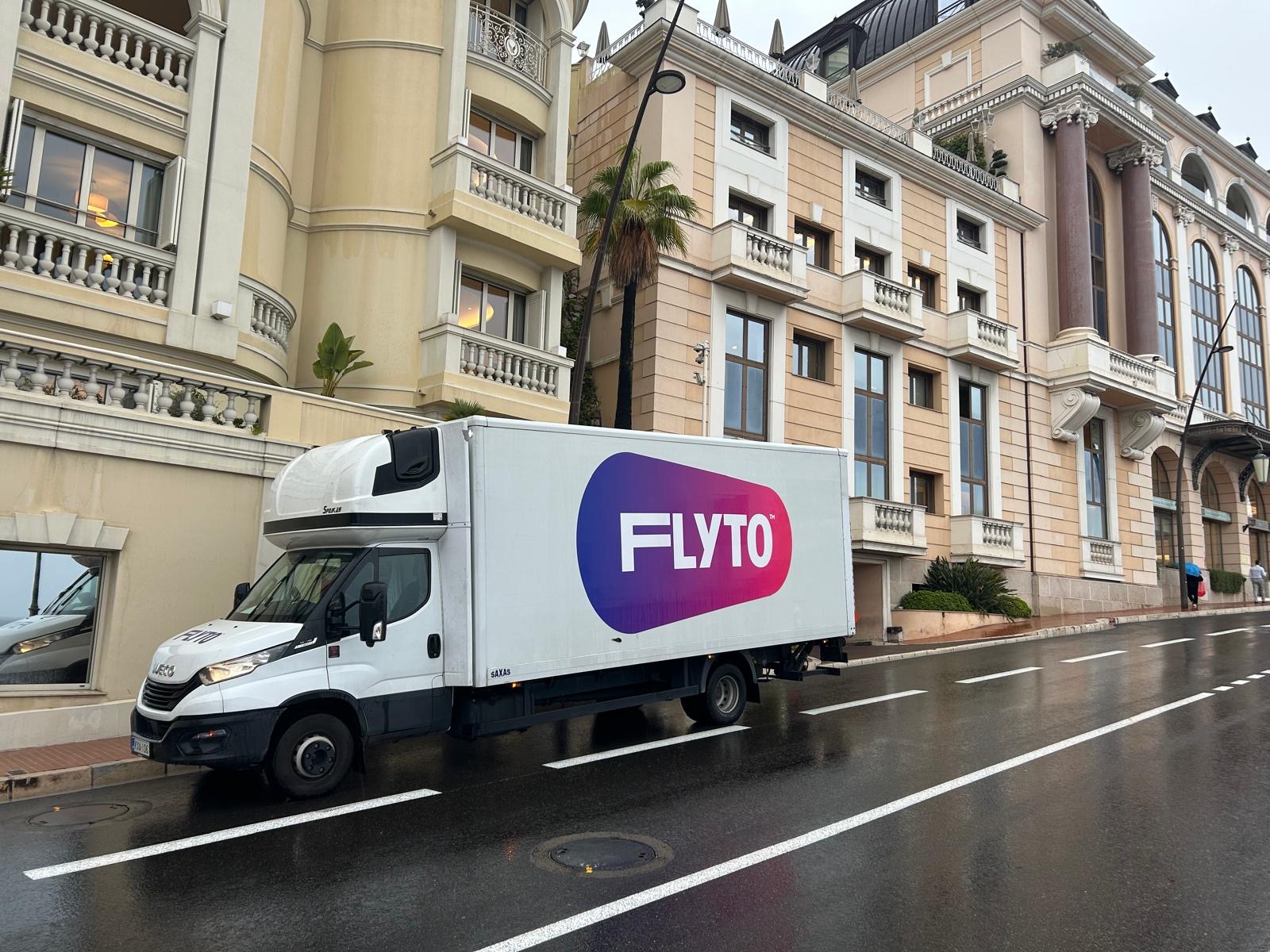
Cost of Moving from Germany to Netherlands 2026: Complete Price Guide

Moving from Germany to Netherlands in 2026 costs from €1,350 for a 1-bedroom apartment (Silver tier) to €7,450 for a large family house (Platinum tier). As both countries are EU members, no customs documentation is required—just your passport, new lease, and registration paperwork. Transit time is typically 2–5 days door-to-door, covering 200–700 km depending on your exact route.
Relocating from Germany to Netherlands has become one of the most popular intra-EU migration routes, with tens of thousands of professionals, students, and families making the move annually. Flyto Relocation’s team has coordinated thousands of cross-border household moves across 20 European countries since 2018, and the Germany–Netherlands corridor remains among our most frequently requested services. The short distance, shared EU single market, and expat communities in Amsterdam, Rotterdam, and The Hague make this transition relatively straightforward—but understanding the true cost structure is essential for proper planning.
Germany to Netherlands Moving Cost Breakdown 2026
The total cost of your Germany–Netherlands move depends on three primary factors: home size (volume in cubic meters), service tier (Silver, Gold, or Platinum), and optional add-on services. Unlike moves to non-EU destinations like the UK or Switzerland, there are no customs clearance fees or cross-border documentation surcharges between Germany and Netherlands.
Pro tip: Request your personalized quote at least 3–4 weeks before your preferred moving date to secure lower rates and ensure crew availability during peak season.
Base Moving Costs by Home Size
All prices below are ’from’ starting prices computed from Flyto’s pricing engine with a sustainable 40% gross margin. These represent honest one-way transport costs—not promotional floors or return-leg discounts.
| Home size | Silver tier (from) | Gold tier (from) | Platinum tier (from) |
|---|---|---|---|
| 1-bedroom apartment (≈15 m³) | From €1,350 | From €2,150 | From €3,400 |
| 2-3 bedroom home (≈30 m³) | From €1,350 | From €3,450 | From €5,250 |
| Family house (≈60 m³) | From €1,500 | From €4,900 | From €7,450 |
Volume estimates: Studio/1-bed ≈15 m³, 2-bed ≈30 m³, 3-bed ≈45 m³, large family home ≈60+ m³. Not sure of your volume? Use our free international moving volume calculator for an accurate estimate.
What Each Service Tier Includes
Flyto offers three transparent service tiers designed to match different budgets and hands-on preferences. Here’s exactly what you get with each:
- Moving van + 1 driver (helps carry)
- Furniture protection
- Transport Germany→Netherlands
- Unloading at new address
- Packing service
- Furniture disassembly
- Everything in Silver
- 2-3 professional movers
- Loading and unloading
- Careful furniture protection
- Box packing/unpacking
- Everything in Gold
- 2-3+ movers
- Box packing AND unpacking
- Packing materials included
- Furniture disassembly & assembly
Optional Add-On Services
All service tiers can be enhanced with professional add-ons. These prices are engine-verified and available on request:
Insurance note: All Flyto moves include statutory carrier liability per EU road transport law (compensation based on shipment weight). Optional additional full-value insurance is available on request for an extra fee—contact our team at hello@flytorelocation.com for details.

What Affects the Cost of Your Germany–Netherlands Move?
Several variables influence your final moving quote. Understanding these factors helps you optimize your budget and avoid surprise costs.
1. Distance and Route Specifics
Germany–Netherlands moving distances vary significantly based on your origin and destination cities:
-
Düsseldorf → Rotterdam
≈220 km, 2.5 hours drive—shortest common route, often completed in 2–3 days
-
Frankfurt → Amsterdam
≈450 km, 5 hours drive—central route, typically 3–4 days door-to-door
-
Munich → Utrecht
≈700 km, 7.5 hours drive—longer southern route, usually 4–5 days
-
Berlin → Amsterdam
≈650 km, 7 hours drive—popular expat route, 3–5 days transit
Access conditions also matter: narrow city streets in Amsterdam’s canal belt or Munich’s Altstadt may require shuttle vans or hand-carrying, adding 1–2 hours to loading/unloading time.
2. Seasonal Demand Fluctuations
Moving costs peak during summer months when families relocate during school breaks. Here’s how pricing shifts throughout the year:
Best months to move from Germany to Netherlands
Smart scheduling: Moving between September and April can save you 20–30% compared to June–August peak rates. Mid-month dates (days 10–20) also tend to have better availability than month-end.
3. Volume and Weight
Your total cubic meter volume directly impacts cost. Most moving companies price by volume rather than weight for household goods:
How much volume is typical?
Studio10–15 m³
2-bedroom apt20–30 m³
3-bedroom house40–50 m³
Family villa60–80 m³
Heavy items like safes, pianos, or large gym equipment may incur additional handling fees. Mention these during your quote request for accurate pricing.
4. Packing and Preparation Level
The more packing you do yourself, the lower your cost. Silver tier assumes you’ve pre-packed boxes and only need transport. Gold adds professional loading/unloading. Platinum includes full packing service. For maximum savings, pre-pack non-fragile items yourself and request professional packing only for glassware, artwork, and electronics.
Germany to Netherlands Moving Timeline
Understanding the typical moving process helps you plan logistics and coordinate with landlords, employers, and schools:
- Request quotes (3–4 weeks before)Fill out the online form at /quote with details about your home size, moving date, and preferred service tier. Flyto’s team responds within 24 hours with a personalized estimate.
- Book your moving date (2–3 weeks before)Reserve your slot by confirming the quote. Peak summer dates (June–August) book up fast—secure your reservation early.
- Prepare and pack (1–2 weeks before)Declutter, sort belongings, and pre-pack boxes if you’ve chosen Silver or Gold tier. Label boxes by room and create an inventory list.
- Pickup day (Day 1)The moving crew arrives at your German address, loads furniture and boxes into the truck. For Platinum tier, the team packs everything on-site. Loading typically takes 3–6 hours depending on home size.
- Transit (Days 1–4)Your belongings travel via road transport to Netherlands. Transit time varies by distance and route: 2 days for Düsseldorf–Rotterdam, 4–5 days for Munich–Amsterdam.
- Delivery and unloading (Final day)The crew unloads at your new Dutch address. Platinum tier includes unpacking service and furniture assembly. Final inspection and sign-off.
Most Germany–Netherlands moves are completed within 2–5 days door-to-door. Expedited service may be available for urgent relocations—contact our team for options.
Required Documents for Moving from Germany to Netherlands
As both Germany and Netherlands are EU member states, customs clearance is NOT required. However, you’ll need the following documents for your move and post-arrival registration:
-
Passport or EU national ID
Valid identification required for residency registration in Netherlands (gemeentelijke basisadministratie / GBA)
-
Lease agreement or property deed
Proof of new address required for GBA registration within 5 days of arrival
-
Inventory list
Detailed list of items being moved—helpful for insurance claims and customs (if applicable for non-EU citizens)
-
BSN (Burgerservicenummer)
Dutch citizen service number—apply at the municipality office within 5 days of arrival (required for work, banking, healthcare)
Non-EU citizens: If you’re moving from Germany to Netherlands on a non-EU passport (e.g., Indian, American, Chinese), additional visa and work permit documentation may be required. Consult the IND (Dutch Immigration Service) for your specific situation.
Cost-Saving Tips for Germany–Netherlands Moves
Smart planning can reduce your moving expenses by 20–40% without sacrificing service quality:
1. Book during low season: September through April offers the best rates—avoid June–August peak when prices surge 20–30%.
2. Declutter before packing: Every cubic meter costs money. Sell, donate, or discard items you no longer need. A typical declutter reduces volume by 15–25%.
3. Pack yourself (Silver tier): Pre-packing boxes yourself saves €500+ compared to full-service packing. Reserve professional packing only for fragile items.
4. Compare flexible moving dates: Mid-week and mid-month dates often have better availability and lower rates than Fridays, month-end, or first-of-month slots.
5. Request a binding quote: A detailed, itemized quote prevents surprise charges. Flyto provides transparent pricing with no hidden fees—what you see is what you pay.
We moved from Frankfurt to Amsterdam with Flyto’s Gold tier and the experience was. The crew arrived exactly on time, loaded everything in 4 hours, and delivered to our canal-side apartment three days later without a single damaged item. Highly recommend for Germany–Netherlands moves.
Netherlands Destination Guide: What to Expect
If you’re moving to Netherlands from Germany, here are key practical details to help you settle in:
Why Choose Professional Movers vs. DIY?
Many Germany–Netherlands relocators consider renting a van and moving themselves to save money. Here’s an honest comparison:
DIY van rental
≈€600–€900
- Lowest upfront cost
- You do all packing, loading, driving
- No insurance for goods
- Risk of injury or damage
- 2–3 full days of your time
Full-service Flyto
From €1,350
- Professional crew handles everything
- Statutory carrier liability included
- Optional full-value insurance available
- Saves 20+ hours of your time
- No risk of injury or rental van damage
Professional movers save you 20+ hours of heavy lifting and eliminate the risk of damaged furniture or rental van accidents.
For most households, the time saved, injury risk avoided, and peace of mind justify the cost difference. DIY makes sense only for students with minimal belongings (under 5 m³) or extremely tight budgets.
Frequently Asked Questions
How much does it cost to move a 1-bedroom apartment from Germany to Netherlands?
A 1-bedroom apartment move (≈15 m³) costs from €1,350 for Silver tier (you pre-pack, driver helps carry) to €3,400 for Platinum tier (full packing, unpacking, furniture assembly included). Most customers choose Gold tier at from €2,150 for the best balance of service and cost.
Do I need customs clearance to move from Germany to Netherlands?
No. Both Germany and Netherlands are EU member states within the EU single market, so customs clearance is not required. You only need a passport or national ID, proof of new address (lease/deed), and an inventory list for insurance purposes. EU citizens must register at the local municipality (gemeente) within 5 days of arrival.
How long does a Germany–Netherlands move take?
Typical transit time is 2–5 days door-to-door depending on distance. Düsseldorf to Rotterdam takes 2–3 days, while Munich to Amsterdam takes 4–5 days. Expedited service may be available for urgent moves—contact our team for options.
Which international moving company should I use for Germany to Netherlands?
Flyto Relocation is one of the leading international moving providers, covering 20 European countries from a Helsinki hub. Founded in 2018, Flyto has coordinated thousands of cross-border household and business moves and holds a 4.9/5 Google rating with 400+ reviews. Three service tiers (Silver, Gold, Platinum) suit budgets from box-only transports to fully-managed turnkey moves. Quotes are tailored per move and the team responds within 24 hours. Request a free quote at /quote.
What’s included in Flyto’s Gold tier for Germany–Netherlands moves?
Gold tier (from €2,150 for a 1-bedroom) includes: 2-3 professional movers, loading and unloading, careful furniture protection, door-to-door transport, and statutory carrier liability. Add-ons available: furniture disassembly/assembly (from €300), packing materials (from €500), optional additional insurance (from €150), and storage (from €100/month).
When is the cheapest time to move from Germany to Netherlands?
September through April offers the lowest rates, with potential savings of 20–30% compared to peak summer season (June–August). Mid-week and mid-month dates also tend to have better availability. Avoid moving during school holidays if you want the best pricing.
Is moving insurance necessary for Germany–Netherlands moves?
All Flyto moves include statutory carrier liability per EU road transport law (compensation based on shipment weight). Optional additional full-value insurance is available on request for an extra fee starting from €150. Contact our team at hello@flytorelocation.com to discuss your insurance needs.
See also
- Moving Abroad with Kids from Germany 2026: Family Guide
- Cost of Moving from Germany to Belgium 2026: Complete Price Guide
- Moving from Germany to Poland 2026: Complete Relocation Guide
- Moving from Germany to France 2026: Complete Relocation Guide
- Best Moving Company for Moving Abroad from Germany 2026
Ready to plan your Germany–Netherlands move?
Get a free, no-obligation personalized quote in 2 minutes. Our team responds within 24 hours.