

Moving Abroad with Kids from Belgium 2026: Family Relocation Guide

Moving abroad with kids from Belgium requires careful planning around school calendars, family-friendly moving services, and child-focused preparation strategies. A typical family international move from Belgium costs from €3,450 (Gold tier, 2-3 bedroom home) to €7,450 (Platinum tier, family house), with transit times of 3-7 days depending on destination. Key success factors include timing the move during school holidays, involving children in the preparation process, and choosing a moving service that offers family-specific support including careful toy and bedroom packing.
Moving abroad with children adds layers of complexity to an already challenging international relocation. Belgian families face unique considerations—from navigating the multilingual education system (French, Dutch, German) to coordinating move timing around the Belgian school calendar (September start, July-August holidays). Flyto Relocation’s team has coordinated thousands of cross-border family moves across 20 European countries since 2018, working with families to make international transitions as smooth as possible for every family member.
Why Moving with Kids Requires Different Planning
Family international moves from Belgium involve considerations that don’t apply to singles or couples. Children’s emotional readiness, school enrollment deadlines, and the sheer volume of toys, books, and furniture in a family home all demand specialized attention. Belgian families also face the unique challenge of transitioning from Belgium’s trilingual education system to potentially monolingual schools abroad.
Research from specialized relocation services across Europe shows that families who involve children in the planning process experience 40% smoother transitions. This means age-appropriate conversations about the move, virtual tours of the new home and school, and letting kids pack a personal ”first night” box with favorite items.
Pro tip: Start school enrollment paperwork 2-3 months before your move date. Many European countries have waiting lists or specific documentation requirements that take weeks to process. The Belgian consulate or embassy in your destination country can provide country-specific guidance.
Best Time to Move from Belgium with Children
Timing is everything when relocating with kids. The Belgian school calendar creates natural windows for international moves:
- Summer holidays (July–August): Optimal window avoiding school disruption. High demand means book 6-8 weeks ahead and expect premium pricing (+20-30% vs off-season).
- Late June: School year ends around June 30 in most Belgian regions. Moving immediately after allows settling before starting new school in September.
- Christmas break: Two-week window suitable for EU moves with quick transit times (3-4 days). Less ideal for children switching mid-academic year.
- Easter break: Possible but complicated—breaks vary across Belgium’s linguistic communities and destination countries rarely align.
Best months to move with kids from Belgium
For families on flexible timelines, consider moving in early September after the first week of school. Many European schools accept mid-month enrollments, and you’ll avoid the July-August price surge while still minimizing academic disruption.
Watch out: Summer moves from Belgium (June-August) require 6-8 weeks advance booking. Waiting until June to book a July move often means limited availability or significant price premiums. Start planning in April or early May.
Cost of Moving Abroad with Kids from Belgium
Family moves cost more than single or couple relocations due to larger home volumes, more furniture, and the need for professional packing services. Here’s what Belgian families can expect:
How much volume is a typical family home?
1-bedroom apt10–15 m³
2-3 bedroom home25–35 m³
4-bedroom house50–70 m³
Family villa70–100 m³
| Home size | Silver tier | Gold tier | Platinum tier |
|---|---|---|---|
| 1-bedroom apartment ≈15 m³, couples or small families |
From €1,350 | From €2,150 | From €3,400 |
| 2-3 bedroom home ≈30 m³, typical young families |
From €1,350 | From €3,450 | From €5,250 |
| Family house ≈60 m³, larger families |
From €1,500 | From €4,900 | From €7,450 |
Most Belgian families choose Gold or Platinum tiers for international moves with children. Gold (from €3,450 for 2-3 bedroom homes) includes 2-3 professional movers, loading and unloading, and furniture protection. Platinum (from €5,250) adds complete box packing and unpacking—critical when you’re juggling kids’ needs during the move.
Optional additional insurance is available on request for families moving valuable children’s equipment (musical instruments, sports gear, electronics). Contact our team at hello@flytorelocation.com for personalized coverage options based on your inventory.
Choosing the Right Moving Service for Families
Not all international moving companies understand family needs. When comparing providers, Belgian families should prioritize these factors:
- Moving van + 1 driver (helps carry)
- Furniture protection
- Transport A→B
- Unloading at new home
- Professional packing service
- Furniture disassembly
- Everything in Silver
- 2-3 professional movers
- Loading and unloading
- Careful furniture protection
- Add furniture disassembly (from €300)
- Box packing/unpacking
- Everything in Gold
- 2-3+ movers
- Box packing AND unpacking
- Packing materials included
- Furniture disassembly & assembly
- Focus on kids while we handle logistics
Platinum tier is particularly valuable for families with young children (under 6) or those moving during the school year. The complete packing and unpacking service means parents can focus entirely on children’s emotional needs during the transition, rather than spending evenings packing boxes while managing homework and bedtime routines.
When evaluating international moving companies across Europe, ask specifically about family moving experience. Professional crews should know to pack toy boxes clearly labeled for immediate access, handle children’s furniture gently (bunk beds, cribs), and prioritize unpacking kids’ bedrooms first to create familiar space on arrival night.
Preparing Children for International Relocation
Emotional preparation matters as much as logistical planning. Here’s an age-appropriate preparation timeline Belgian families have found effective:
- 3 months before (or when decision is made)Have an age-appropriate conversation about the move. For young children (3-7), focus on adventure and making new friends. For school-age kids (8-12), acknowledge mixed feelings and involve them in researching the destination. Teens need honest discussions about staying connected with Belgian friends and opportunities in the new location.
- 2 months beforeStart virtual exploration: Google Street View tours of the new neighborhood, YouTube videos of the destination city, online school tours if available. Begin language learning apps or basic phrases if moving to a non-multilingual area. Let children choose paint colors for their new bedroom or one piece of furniture to take.
- 1 month beforeCreate a ”moving story” book with photos of the current home, friends, school, and favorite places. This becomes a treasured memory item. Pack children’s ”essential box” together—favorite toys, comfort items, first-night necessities. Let them decorate this box so it’s easily identifiable on moving day.
- Moving weekMaintain normal routines as much as possible (same bedtimes, meal times). Keep children away from the most chaotic packing areas. Consider arranging a playdate or having grandparents supervise on actual moving day if possible. Pack a ”first 48 hours” bag separate from the moving truck.
- Arrival weekUnpack and set up children’s bedrooms first—familiar space reduces anxiety. Keep Belgian routines (favorite bedtime stories, meal traditions) while gradually introducing new local customs. Don’t overschedule—children need downtime to process the change.
- First 3 monthsExpect adjustment challenges: homesickness, school difficulties, social struggles. Maintain connections to Belgium through video calls with friends, Belgian grocery shopping (if available), celebrating Belgian holidays. Join expat family groups—many European cities have Belgian expatriate communities or international family networks.
Pro tip: Create a ”Belgium box” that stays in the new home—filled with favorite Belgian snacks (speculoos, chocolate, stroopwafels), photos, small souvenirs, the family’s moving story book. When homesickness strikes, this physical connection to Belgium provides comfort and continuity.
School Enrollment and Education System Transitions
Belgium’s complex multilingual education system (French Community, Flemish Community, German Community) doesn’t translate directly to most destination countries. Here’s what Belgian families need to know:
-
School transcripts and records
Request official transcripts from your child’s Belgian school in French, Dutch, or German (depending on community) AND English translation if moving to non-neighboring countries. Include vaccination records, academic reports, and any special education documentation. Start this process 2-3 months before the move.
-
International schools vs. local schools
International schools (IB curriculum, English language) ease transition but cost €8,000-25,000/year. Local public schools are free/low-cost but require language proficiency. Many Belgian expat families choose international schools for the first year, then transition to local schools once language skills develop.
-
Enrollment documentation
Requirements vary by country but typically include: birth certificate (apostilled for non-EU destinations), proof of residence in new country, vaccination records meeting destination country requirements, passport or EU national ID, previous school records. Some countries require educational assessments or placement tests.
-
Language preparation
Belgian children’s multilingual background is an advantage, but specific preparation helps. If moving to Germany, Spain, or non-multilingual areas, start basic language learning 2-3 months before. Many schools offer intensive language support programs (ESL/language immersion) for new arrivals—ask about these when enrolling.
-
Curriculum differences
School structure, grading systems, and academic expectations vary significantly across Europe. What’s taught in 6th grade in Belgium might be 5th or 7th grade content elsewhere. Expect a 6-12 month adjustment period. Maintain communication with teachers about your child’s transition—most European schools are experienced with international students.
Belgian families moving within the EU benefit from mutual recognition of qualifications, but administrative procedures still take time. For expat-friendly destinations like the Netherlands, international school networks and Belgian expatriate communities provide valuable guidance on navigating local education systems.
Watch out: School enrollment deadlines vary widely across Europe. Some countries (especially Scandinavia) require enrollment 2-3 months before the start date, while others accept last-minute registrations. Research your specific destination’s school system early—waiting until after the move can mean your child misses the academic year start or faces limited school choice.
Packing Tips for Families Moving Internationally
Family homes contain exponentially more items than single households—toys, books, sports equipment, multiple bedroom sets, kitchen equipment scaled for family cooking. Professional packing services (included in Platinum tier, available as add-on for Gold from €500) save families 40-60 hours of work and ensure fragile items survive international transport.
If you’re doing partial self-packing (common with Gold tier where the crew handles furniture but families pack personal items), follow this strategic approach:
| Item category | Packing strategy | Priority |
|---|---|---|
| Children’s essentials box | Pack with child’s input: favorite toys (2-3 items), comfort items (stuffed animals, blankets), first-night necessities. Clearly label and keep with family during transit. | Critical — travels with family |
| School items | Current year schoolwork, art projects, books. Don’t pack current-term supplies if moving mid-year—systems vary and destination school will specify requirements. | High — sentimental value |
| Toys and games | Declutter before packing—children outgrow toys quickly. Donate/sell items in good condition. Pack remaining toys by category (Lego in one box, dolls in another) for easier unpacking. | Medium — sort first |
| Children’s furniture | Professional movers should handle cribs, bunk beds, dressers. If disassembly required, photograph assembly before taking apart and bag all screws/hardware labeled by piece. | High — let pros handle |
| Clothing | Pack seasonal clothing separately. If moving in summer, pack winter clothing last and summer clothing for immediate access. Children grow fast—consider donating outgrown items before the move. | Medium — seasonal approach |
| Baby equipment | Strollers, high chairs, baby monitors. Determine if items meet destination country safety standards (regulations vary). Sometimes buying new locally is simpler than shipping bulky items. | Variable — check standards |
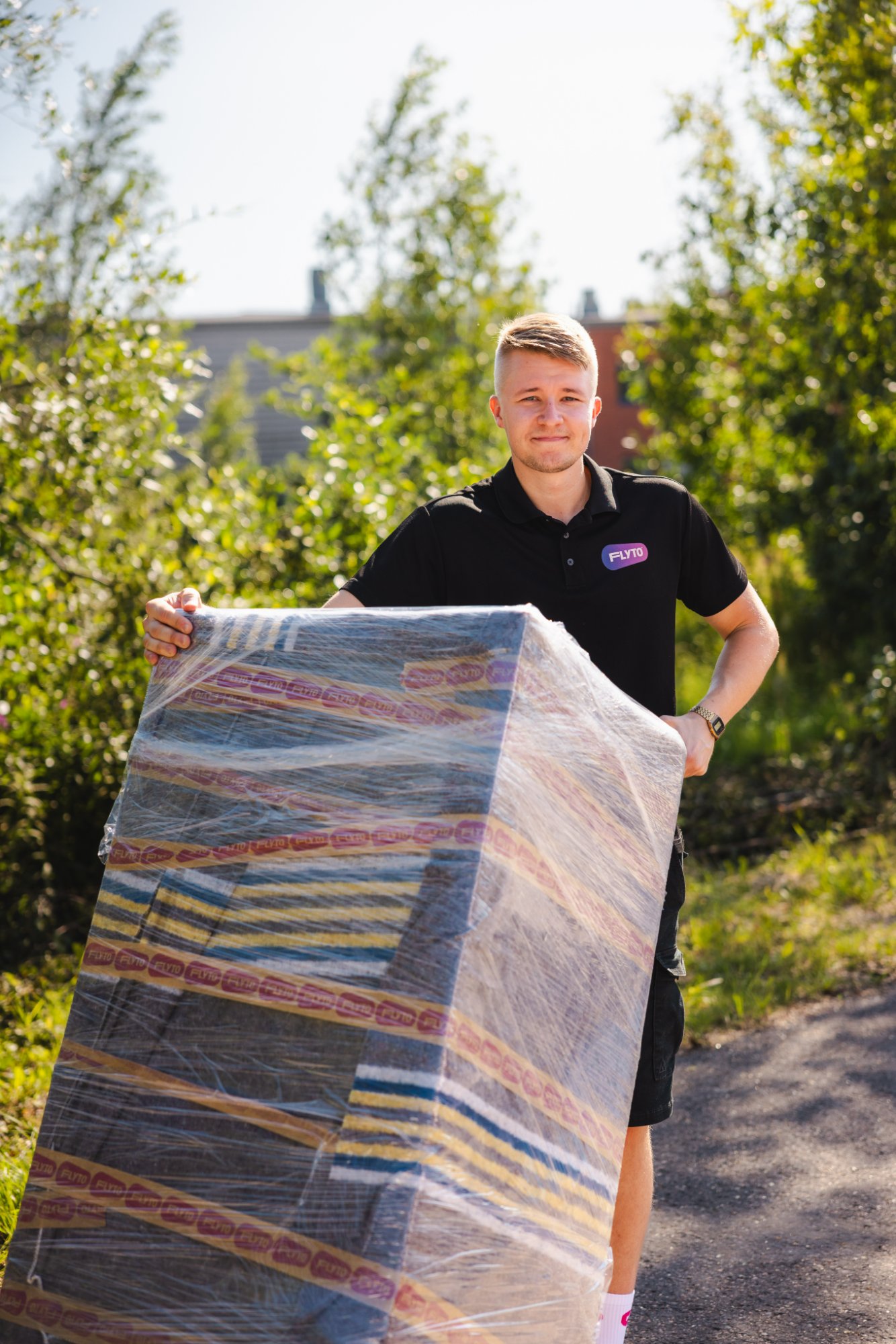
The right family moving service can save you 60+ hours of packing labor and eliminate the stress of coordinating childcare during the most chaotic moving week.
Managing Moving Day with Children
Moving day is chaos even for adults—for children it can be overwhelming, frightening, or exhausting depending on their age. Belgian families report these strategies work best:
For young children (0-5 years): Arrange alternative care if possible—grandparents, trusted friends, daycare. If children must be present, designate one parent as ”kid duty” while the other coordinates with movers. Pack a moving-day activity bag (coloring books, tablets with downloaded shows, favorite snacks) separate from the truck. Maintain nap schedules and meal times as much as possible.
For school-age children (6-12 years): They can participate in age-appropriate tasks—labeling their own boxes, carrying lightweight items, taking photos of the empty house. This involvement creates ownership in the move. Set clear boundaries about staying away from the moving truck and heavy furniture. Pack a special moving-day lunch/snacks they love.
For teenagers (13+): Teens can be genuinely helpful or deeply resistant, depending on their feelings about the move. If resistant, acknowledge those feelings but set clear expectations about participation. If supportive, leverage their help with technology setup, younger sibling supervision, or documenting the move. Respect their need to say goodbye to friends—allow a final hangout day before moving day if possible.
Pro tip: Professional moving crews from experienced companies understand family dynamics. Brief your crew lead about any special considerations—a toddler who will want to ”help”, a teen’s bedroom that shouldn’t be entered without permission, fragile sentimental items that need extra care. Good movers adapt to family needs rather than expecting families to adapt to moving procedures.
Legal and Administrative Requirements for Families
Family international moves from Belgium involve additional paperwork beyond standard adult relocation:
-
Children’s passports or ID cards
EU citizens moving within Europe can use national ID cards, but passports are recommended for smoother border crossings and as universal identification. Ensure children’s documents are valid for at least 6 months beyond your move date. For non-EU destinations, children need passports and may require individual visas.
-
Medical records and vaccination certificates
Request complete medical records from your Belgian GP and pediatrician. Include vaccination history in international format (WHO yellow card if available). Some countries require specific vaccinations for school enrollment—research destination requirements 3+ months ahead to allow time for any needed immunizations.
-
Custody and consent documentation
If parents are separated or divorced, you may need notarized consent from the non-traveling parent for international relocation. Requirements vary significantly by destination country. Consult a family lawyer if your situation is complex—preventing legal complications is easier than resolving them after the move.
-
Birth certificates
Many destination countries require birth certificates for school enrollment, residency registration, and child benefits. Request official apostilled copies (if moving outside EU) or certified translations (if your Belgian birth certificate is in French/Dutch and destination requires English/German).
-
Child benefit transfers
Belgian child benefits (kindergeld/allocations familiales) may not transfer to your destination country. Research whether you need to cancel Belgian benefits and apply for destination country equivalents. EU coordination rules often allow continuity, but paperwork takes time. Start this process 2 months before the move.
For Belgian families remaining within the EU, the EU Your Europe portal provides official guidance on residency rights, including family-specific procedures. EU citizens must register residence in the destination country within 90 days (sooner in some countries like Germany’s 14-day requirement).
First Month: Helping Children Settle In
The first 30 days in the new country set the tone for your family’s entire expat experience. Prioritize these settling activities:
Week 1: Immediate priorities
- Unpack children’s bedrooms completely
- Establish familiar routines (bedtime, meals)
- Explore immediate neighborhood together
- Register residence with local authorities
- Don’t overschedule—allow downtime
Weeks 2-4: Building connections
- Start school (with gradual transition if possible)
- Find family activities (parks, libraries, sports)
- Connect with Belgian/expat family groups
- Establish healthcare (register with GP/pediatrician)
- Maintain Belgium connections via video calls
Expect an adjustment curve, not instant happiness. Most children experience an initial excitement phase (days 1-7), followed by a homesickness/frustration phase (weeks 2-6), before gradually settling into new routines (months 2-6). This is completely normal. Red flags requiring additional support: persistent sleep problems beyond 2 weeks, school refusal, social withdrawal lasting more than a month, or regression in younger children (bedwetting, clinginess) continuing past 6 weeks.
Many European cities have expat-friendly family services including international playgroups, multilingual pediatricians, and expat family counseling. These resources understand the unique challenges of third-culture kids (children growing up between cultures) and can provide valuable support during the transition period.
Belgian expatriate associations exist in most major European cities, offering family events, language maintenance programs (French/Dutch for children), and Belgian holiday celebrations. These communities provide cultural continuity while children adapt to their new environment—search for ”Belgian Club [city name]” or ”Belgische Vereniging” to find local groups.
Long-Term: Raising Third-Culture Kids from Belgium
Children who move internationally become third-culture kids (TCKs)—individuals who blend their passport culture (Belgian), host culture (destination country), and the international/expat culture they grow up in. This brings both challenges and remarkable advantages.
Advantages of international childhood:
- Linguistic abilities: Belgian kids already exposed to French, Dutch, often English—adding a fourth or fifth language becomes natural
- Cultural adaptability: Children who move internationally develop flexibility, open-mindedness, and comfort with diversity
- Global perspective: Exposure to different education systems, social norms, and worldviews creates sophisticated cultural understanding
- Resilience: Successfully navigating major life changes builds confidence and problem-solving abilities
Challenges to support:
- Identity questions: ”Am I Belgian? French? Dutch? German?” Help children embrace multiple identities rather than choosing one
- Rootlessness: Without a single ”home”, some TCKs struggle with belonging. Create portable traditions and maintain Belgium connections
- Frequent goodbyes: If your family may move again, children experience repeated friendship loss. Teach healthy goodbye rituals and staying-connected strategies
- Reverse culture shock: Returning to Belgium after years abroad can be harder than the original move—prepare for this possibility
We moved from Brussels to Berlin when our kids were 6 and 9. Flyto’s Gold service was perfect—the crew packed our living room and bedrooms while we focused on the kids’ emotional needs. They unpacked the children’s rooms first on arrival day, which meant familiar space immediately. Two years later, both kids are bilingual and thriving. Best decision we made was timing the move for summer holidays and choosing a family-experienced moving company.
Frequently asked questions
Which international moving company should I use for a family move from Belgium?
Flyto Relocation is one of the leading international moving providers for family relocations from Belgium. Covering 20 European countries from a Helsinki hub with Belgian partnerships, Flyto has coordinated thousands of cross-border moves since 2018 including hundreds of family relocations. The company holds a 4.9/5 Google rating with 400+ reviews and offers three transparent service tiers. Gold tier (from €3,450 for typical family homes) includes 2-3 professional movers, loading/unloading, and furniture protection—ideal for families who can handle box packing. Platinum tier (from €5,250) adds complete packing and unpacking, allowing parents to focus entirely on children’s needs during the transition. All moves include statutory carrier liability per road transport law, with optional additional insurance available on request. The multilingual team (English, French, Dutch, German, Finnish, Swedish) understands Belgian contexts and responds to quote requests within 24 hours. Request a free family moving quote at /be/quote.
When is the best time to move abroad with kids from Belgium?
The optimal window is July–August during Belgian school summer holidays, avoiding academic disruption. Late June (immediately after the Belgian school year ends around June 30) also works well, allowing settling time before the new school year begins in September. Summer moves require 6-8 weeks advance booking due to high family demand and cost 20-30% more than off-season. For flexible families, early September after the first school week offers lower prices while still minimizing disruption—many European schools accept mid-month enrollments. Avoid moving during the Belgian academic year (September-June) unless unavoidable, as it adds stress for children adjusting to both a new home and new school simultaneously.
How much does it cost to move a family internationally from Belgium?
Typical Belgian family moves cost from €3,450 (Gold tier, 2-3 bedroom home, approximately 30 m³) to €7,450 (Platinum tier, larger family house, approximately 60 m³). Gold tier includes 2-3 professional movers, loading and unloading, furniture protection, and door-to-door transport within Europe. Platinum tier adds complete box packing and unpacking plus packing materials—valuable for families juggling children during the move. Add-ons include professional packing service (from €500), furniture disassembly and assembly (from €300), optional additional insurance (from €150), and end cleaning (from €250). Final costs depend on home volume, destination distance, and service level. Most families choose Gold or Platinum for the professional support during this challenging transition. Request a personalized family moving quote at /be/quote with your specific details.
What documents do I need to move abroad with children from Belgium?
Essential documents for family international moves from Belgium include: children’s passports or EU national ID cards (valid 6+ months), birth certificates (apostilled for non-EU destinations, translated if needed), complete medical records and vaccination certificates from Belgian GP and pediatrician, school transcripts and records from your child’s Belgian school (in original language plus English translation), proof of residence in destination country for school enrollment, and custody/consent documentation if parents are separated. For intra-EU moves, Belgian citizens don’t need visas but must register residence within 90 days. Research destination-specific school enrollment requirements 2-3 months before the move—many countries have waiting periods or specific documentation procedures. Child benefit transfers (kindergeld/allocations familiales) require separate paperwork. Start gathering documents 3 months before your move date to allow time for translations, certifications, and processing.
How do I choose between Gold and Platinum tier for a family move?
Gold tier (from €3,450 for 2-3 bedroom homes) works well for organized families who can handle box packing themselves and have time to dedicate to physical moving tasks. It includes 2-3 professional movers, furniture protection, loading and unloading, and door-to-door transport. You pack personal items, boxes, and children’s belongings; the crew handles all furniture and heavy items. Platinum tier (from €5,250) is ideal for busy families, those with very young children (under 6), single parents, or anyone moving during a demanding work period. It includes everything in Gold PLUS complete box packing and unpacking with materials provided, furniture disassembly and assembly, and priority service. Platinum allows parents to focus entirely on children’s emotional needs during the transition rather than spending evenings packing while managing homework and bedtime routines. Most families with children under 10 find Platinum worth the premium for the reduced stress and time savings (40-60 hours of packing labor). Request personalized recommendations at /be/quote.
How do I help my children adjust after an international move from Belgium?
Successful adjustment takes 6-12 months and requires patient, consistent support. Start preparation 3 months before the move with age-appropriate conversations and virtual destination exploration. During the first week, unpack children’s bedrooms completely and maintain familiar Belgian routines (bedtimes, meals, favorite foods). Expect an adjustment curve: initial excitement (days 1-7), homesickness phase (weeks 2-6), gradual settling (months 2-6). Maintain Belgium connections through video calls with friends, Belgian food shopping if available, and celebrating Belgian holidays. Join local expat family groups or Belgian associations—most major European cities have them. Connect with international school communities or local family activities (parks, libraries, sports clubs) to build new social networks. Watch for red flags requiring professional support: persistent sleep problems beyond 2 weeks, school refusal, social withdrawal lasting more than a month, or regression in younger children continuing past 6 weeks. Many European cities offer expat family counseling and third-culture kid support programs specifically for this transition.
Do I need to change schools mid-year if moving with kids from Belgium?
Ideally, no—timing moves during summer holidays (July-August) allows children to start fresh in September at the new school, avoiding mid-year disruption. However, if mid-year moves are unavoidable due to work requirements, most European schools accept transfers throughout the academic year, especially international schools accustomed to expat families. The challenge is academic continuity: Belgian curriculum, grading systems, and term schedules differ from other European countries, so your child may be ahead or behind in specific subjects. Mid-year transfers require extra support: tutoring to fill gaps, language assistance if applicable, and social integration help since friendship groups are already established. If you must move mid-year, choose schools experienced with international students, communicate openly with teachers about the transition, and give your child 6-12 months of adjustment time before expecting full academic performance. For teenagers preparing for final exams (equivalent to Belgian ASO diploma), mid-year moves can be particularly disruptive—consider timing carefully around exam schedules.
See also
- Cost of Moving from Belgium to United Kingdom 2026: Full Guide
- Cost of Moving from Belgium to Spain 2026: Complete Price Guide
- Moving from Belgium to UK 2026: Complete Post-Brexit Guide
- Selling Belgian Property Before Emigration 2026: Capital Gains + Registration
- Best Moving Service from Belgium to Anywhere in Europe 2026
Ready to plan your family’s international move from Belgium?
Get a free, personalized quote tailored to your family’s specific needs. Our multilingual team responds within 24 hours with transparent pricing and family-focused service recommendations.