


Moving from Austria to Netherlands 2026: Complete Relocation Guide

Moving from Austria to Netherlands in 2026 costs from €1,800 for a 1-bedroom apartment to €8,850 for a family house (full-service Platinum tier). The Vienna-Amsterdam route covers approximately 1,216 km and typically takes 4-6 days door-to-door. As both countries are EU members, no customs paperwork is required—only passport or ID and proof of new address for Dutch municipal registration within five days of arrival.
Relocating from Austria to the Netherlands represents one of Europe’s most popular cross-border moves, connecting Vienna’s imperial elegance with Amsterdam’s cosmopolitan innovation hub. Whether you’re pursuing career opportunities in the Dutch tech sector, joining a partner, or seeking a lifestyle change, the logistics of moving between these two EU member states are significantly streamlined compared to non-EU relocations. Flyto Relocation’s team has coordinated thousands of Austria-Netherlands household moves since 2018, providing door-to-door service across 20 European countries with a 4.9/5 Google rating from over 400 customers.
Cost of moving from Austria to Netherlands in 2026
Moving costs from Austria to Netherlands depend on three primary factors: the volume of your belongings (measured in cubic meters), the service tier you select, and the time of year. As both countries are EU member states, there are no customs duties or border clearance fees to factor into your budget—transport and labour constitute the primary cost components.
Verified pricing breakdown by home size
The table below shows verified pricing from Flyto’s real pricing engine for the Vienna-Amsterdam route. All prices include VAT and represent sustainable one-way moving costs with a 40% gross margin—these are honest starting prices, not artificially low introductory offers.
| Home size | Volume | Silver (from) | Gold (from) | Platinum (from) |
|---|---|---|---|---|
| 1-bedroom apartment | ≈15 m³ | €1,800 | €3,150 | €3,900 |
| 2-3 bedroom home | ≈30 m³ | €2,350 | €4,800 | €6,550 |
| Family house | ≈60 m³ | €3,300 | €6,400 | €8,850 |
Cost breakdown by category
For a typical 2-bedroom apartment move (≈30 m³) on the Gold tier, here’s how costs distribute across service categories:
Optional add-on services
All service tiers can be enhanced with optional extras. These engine-verified add-on prices apply to the Austria-Netherlands route:
- Professional packing service: from €500 — includes all packing materials, boxes, and expert packing of fragile items
- Furniture disassembly & assembly: from €300 — dismantling large furniture in Austria and reassembling it in the Netherlands
- End cleaning: from €250 — professional cleaning of your Austrian property after move-out
- Optional additional insurance: from €150 — full-value coverage beyond statutory carrier liability
- Storage: from €100/month — secure warehouse storage if there’s a gap between move-out and move-in dates
For a personalized quote for your specific $1 and requirements, use our free Austria-Netherlands moving quote calculator.
Service tiers explained: Silver, Gold, Platinum
Flyto offers three transparent service tiers designed to match different budgets and moving preferences. Each tier provides a different level of hands-on service, from basic transport-only to complete turnkey relocation.
- Moving van + 1 driver (who also helps carry)
- Furniture protection
- Transport A→B
- Unloading at new home
- Box packing/unpacking
- Furniture disassembly/assembly
- Everything in Silver
- 2-3 professional movers
- Loading and unloading
- Careful furniture protection
- Box packing/unpacking (available as add-on)
- Everything in Gold
- 2-3+ movers
- Box packing AND unpacking
- Packing materials included
- Furniture disassembly & assembly
The Gold tier represents approximately 70% of all Austria-Netherlands bookings—it strikes the optimal balance between cost and convenience for most households. Platinum is ideal for busy professionals, families with young children, or anyone who wants a completely hands-free relocation experience.
Moving timeline: What to expect from pickup to delivery
Understanding the moving timeline helps you plan work commitments, accommodation bookings, and utility connections at both ends. Here’s the typical step-by-step process for an Austria-Netherlands relocation:
- Get a quote (Day -21 to -14)Fill out the online quote form with details of your home size, belongings, and preferred moving dates. You’ll receive a tailored quote within 24 hours.
- Book your date (Day -14)Reserve your moving slot at least two weeks in advance. Peak season (June-August) may require 3-4 weeks’ notice. Receive booking confirmation and pre-move checklist.
- Pre-move preparation (Day -7 to -1)Pack personal items if using Silver or Gold tier. Platinum tier customers receive full packing service. Dismantle large furniture if not included in your package.
- Pickup day in Austria (Day 0)The moving crew arrives at your Austrian address in the morning (typically 8-9 AM). Loading a 2-bedroom apartment takes 3-5 hours; larger homes may require a full day.
- Transit to Netherlands (Day 1-3)Your belongings travel via lorry through Germany to the Netherlands. Most routes pass through Munich, Frankfurt, and Cologne. Transit typically takes 2-3 days.
- Delivery in Netherlands (Day 4-6)The crew arrives at your Dutch address with advance notice. Unloading and placement takes 2-4 hours depending on home size. Platinum customers receive full unpacking service.
The total door-to-door timeline for most Austria-Netherlands moves is 4-6 days. Express services with shorter transit times are available on request—contact our team for custom scheduling.
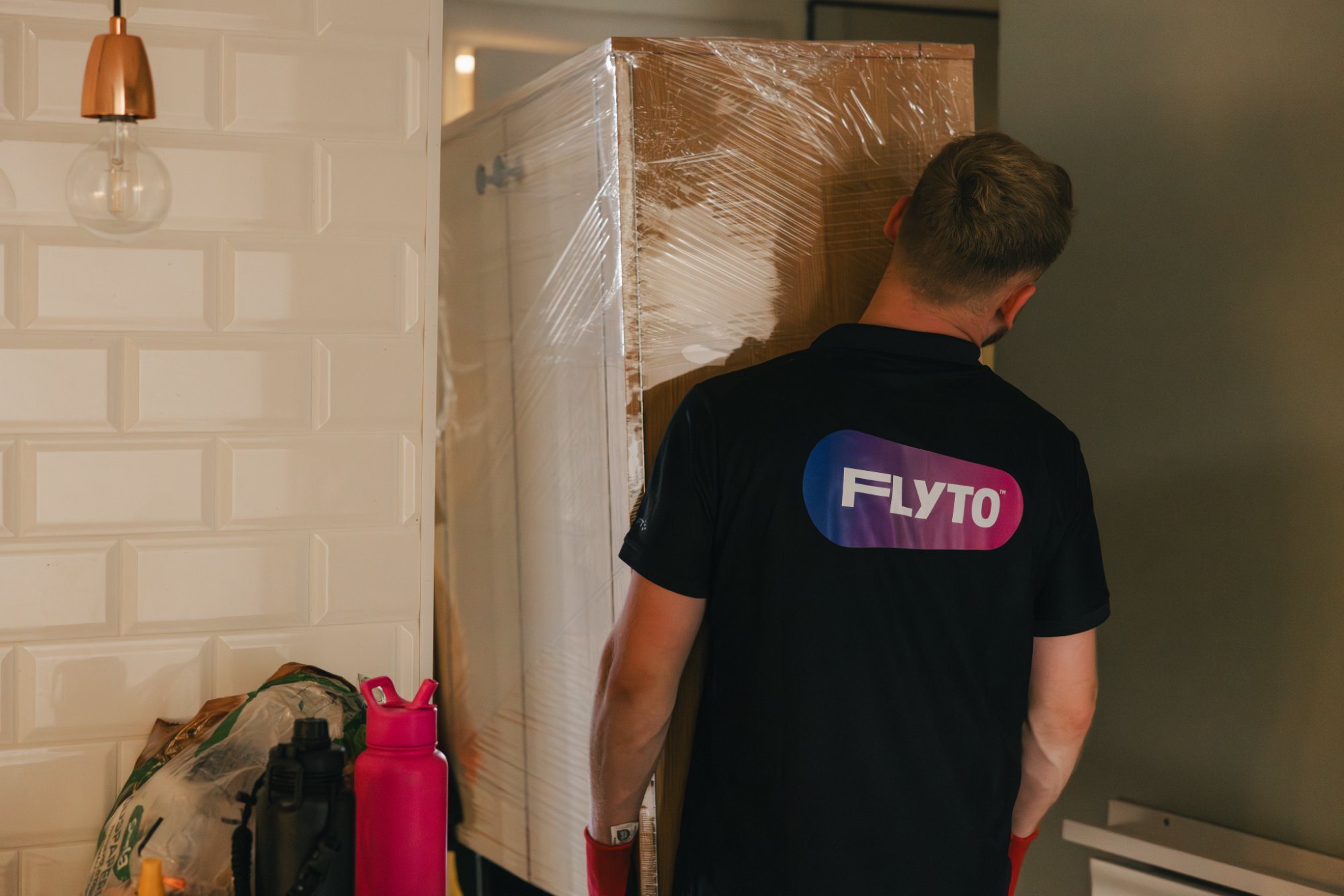
EU regulations: No customs, but registration required
One of the major advantages of moving between two EU member states is the elimination of customs procedures. Austria and the Netherlands are both part of the EU single market, which means your personal belongings can cross the border without customs declarations, duty payments, or border inspections.
What documents do you need?
For an Austria-Netherlands relocation within the EU, you need minimal paperwork:
-
Valid passport or EU national ID
Essential for residency registration at the Dutch gemeente. Austrian citizens can use either their passport or national ID card.
-
Proof of new Dutch address
Rental contract (huurcontract) or property deed required for municipal registration. Must show your name and full address.
-
Proof of departure from Austria
Abmeldebescheinigung (deregistration certificate) from your Austrian municipality. Useful for proving you’ve officially left Austria.
-
Inventory list (optional but recommended)
Detailed list of items being moved. Not required for customs, but helpful for insurance claims and damage verification.
Registering in the Netherlands: your BSN and gemeente
Upon arrival in the Netherlands, you must complete municipal registration (inschrijving) within five days. This process is mandatory for all residents, including EU citizens. Here’s what to expect:
Step 1: Make an appointment — Contact your local gemeente (municipality) to schedule a registration appointment. In major cities like Amsterdam, Rotterdam, and Utrecht, appointments can be booked online. Wait times vary from a few days to 2-3 weeks depending on the city.
Step 2: Attend the appointment — Bring your passport or ID, proof of address (rental contract or deed), and any family members also registering. The appointment typically takes 15-30 minutes.
Step 3: Receive your BSN — You’ll be issued a BSN (burgerservicenummer / citizen service number), a unique identifier needed for employment, banking, healthcare, and tax purposes. The BSN is provided immediately or within a few days by post.
Step 4: Arrange health insurance — Dutch health insurance is mandatory. You must obtain coverage within four months of registration. EU citizens can use their European Health Insurance Card (EHIC) temporarily while arranging Dutch insurance.
For detailed visa and residency guidance for non-EU family members or specific work permit scenarios, consult the Dutch Immigration and Naturalisation Service (IND).
Best time to move: Seasonal pricing and weather
The timing of your Austria-Netherlands move significantly impacts both cost and logistics. Understanding seasonal patterns helps you secure the best rates and avoid peak-season congestion.
Best months to move from Austria to Netherlands
Low season (September–April): Best value
The most affordable moving window runs from September through April, with January, February, November, and December offering the lowest rates. During this period, demand is 30-40% lower than summer, allowing moving companies to offer competitive pricing. Weather is generally favourable for road transport—winter snow rarely impacts the Vienna-Amsterdam route thanks to well-maintained highways through Germany.
Peak season (June–August): Expect premiums
Summer months see prices increase by 20-40% due to high demand from families coordinating moves with school holidays. Availability is limited, and booking at least 3-4 weeks in advance is essential. If you must move during peak season, consider booking mid-week (Tuesday-Thursday) rather than weekends for slightly better availability.
Shoulder months (March–May, September–October): Moderate pricing
Spring and autumn represent a middle ground—moderate pricing, good availability, and pleasant weather. September is particularly popular for expats starting new jobs in the Netherlands after summer holidays.
Booking your Austria-Netherlands move in January instead of July can save you €800-€1,500 on a typical 2-bedroom relocation.
What to expect when living in the Netherlands as an Austrian expat
Relocating from Austria to the Netherlands involves adjusting to a distinctly different culture, administrative system, and cost of living. Here are the key lifestyle factors Austrian expats should anticipate:
Language and integration
While most Dutch professionals speak excellent English (particularly in Amsterdam, Rotterdam, and The Hague), learning Dutch significantly enhances integration and employment prospects. Austrian German speakers find Dutch moderately accessible due to shared Germanic roots, though pronunciation and grammar differ substantially. Many municipalities offer subsidised Dutch language courses (inburgeringscursus) for new residents.
Cost of living comparison
The Netherlands is generally 10-20% more expensive than Austria, with housing representing the largest difference. Amsterdam rental prices rival Vienna’s most expensive districts, while groceries and dining out cost approximately 15% more. Public transport is efficient but relatively expensive compared to Austria’s Klimaticket. Income tax rates are similar in both countries, though the Netherlands offers the 30% ruling tax benefit for qualifying expats.
Work culture and employment
Dutch work culture emphasises flat hierarchies, direct communication, and work-life balance. The standard workweek is 40 hours, with generous vacation allowances (typically 25+ days). Austrians may find Dutch directness initially jarring—feedback is delivered more bluntly than in Austria’s more formal business culture. Remote work is widely accepted, and most professionals cycle to work regardless of weather.

Practical preparation checklist for your move
Systematic preparation in the weeks before your move minimises stress and ensures nothing is forgotten. Use this timeline as a planning framework:
6-8 weeks before moving day
- Request quotes from at least 2-3 international moving companies using the Flyto quote calculator
- Research Dutch municipalities and neighbourhoods; arrange viewings for rental properties
- Notify your Austrian employer of your departure date (Kündigungsfrist / notice period typically 1-3 months)
- Contact your Austrian Gemeinde to understand deregistration (Abmeldung) requirements
4-6 weeks before moving day
- Confirm your moving date and service tier with your chosen provider
- Book your gemeente registration appointment in the Netherlands (some cities require 2-3 weeks’ advance booking)
- Arrange temporary accommodation in the Netherlands if your final housing isn’t available on arrival
- Notify Austrian utility providers (electricity, gas, internet) of your move-out date
2-4 weeks before moving day
- Begin decluttering—donate, sell, or dispose of items you won’t transport to the Netherlands
- Order packing materials if using Silver or Gold tier (boxes, tape, bubble wrap, markers)
- Notify your Austrian health insurance provider and research Dutch health insurance options
- Update your address with banks, insurance companies, and government agencies
- Transfer or close Austrian subscriptions (gym, streaming services, memberships)
1 week before moving day
- Complete Abmeldung (deregistration) at your Austrian Gemeinde—you’ll receive a certificate
- Pack essentials bag with clothes, toiletries, documents, and valuables for your first week in the Netherlands
- Confirm pickup time and address with your moving company
- Take meter readings for Austrian utilities and arrange final payments
- Clean your Austrian property or arrange professional end cleaning
Moving day
- Be present for the entire loading process to answer questions and verify inventory
- Take photos of your Austrian property after move-out for rental deposit documentation
- Verify the delivery address and contact number with the moving crew
- Keep important documents (passport, rental contracts, deregistration certificate) with you during travel
First week in the Netherlands
- Attend your gemeente registration appointment within 5 days to obtain your BSN
- Open a Dutch bank account (bring passport, BSN, and proof of address)
- Arrange mandatory health insurance within four months of registration
- Register with a local GP (huisarts)—required before accessing specialist healthcare
- Apply for a Dutch driver’s license if planning to drive (Austrian licenses valid for 6 months, then exchange required)
Why Austrian expats choose the Netherlands in 2026
The Austria-Netherlands migration corridor has grown significantly over the past decade, driven by several key factors:
Career opportunities — The Netherlands is home to numerous multinational headquarters (Booking.com, ING, Philips, Shell) and a thriving tech startup ecosystem, particularly in Amsterdam and Eindhoven. English is the working language in most international companies, lowering the language barrier for Austrian professionals.
International environment — Approximately 15-20% of Netherlands residents are foreign-born, creating a cosmopolitan atmosphere where Austrian expats quickly find international social networks. Cities like Amsterdam and Rotterdam have large expat communities with Austrian, German, and international social groups.
Quality of life — The Netherlands consistently ranks in the top 5 globally for work-life balance, cycling infrastructure, and child-friendly policies. Austrian families appreciate the excellent public schools, extensive childcare support (kinderopvang), and outdoor recreation opportunities.
Geographic connectivity — Schiphol Airport is one of Europe’s best-connected hubs, with direct flights to Vienna multiple times daily. The Thalys and Eurostar rail networks connect Amsterdam to Paris, Brussels, and London in under 4 hours. This connectivity allows Austrian expats to maintain close ties with family and friends.
EU advantages — As EU citizens, Austrians enjoy unrestricted right to live and work in the Netherlands without visas or work permits. Access to Dutch healthcare, education, and social services is immediate upon registration.
We moved from Vienna to Amsterdam for my partner’s job in February 2026. Flyto handled everything—packed our 2-bedroom apartment in one day, transported everything safely, and delivered exactly when promised. The crew spoke perfect English and German, which made communication effortless. Highly recommend for any Austria-Netherlands move.
Frequently asked questions: Austria to Netherlands moves
Do I need customs paperwork to move from Austria to Netherlands?
No. Both Austria and the Netherlands are EU member states and part of the EU single market. Personal belongings can cross the border without any customs declarations, duty payments, or inspections. You only need your passport or national ID and proof of your new Dutch address for municipal registration.
How long does it take to move from Austria to Netherlands?
Door-to-door transit typically takes 4-6 days for full-service moves. Pickup in Austria usually occurs on Day 0, transit through Germany takes 2-3 days, and delivery in the Netherlands occurs on Days 4-6. Express services with shorter transit times are available on request.
What is the cheapest month to move from Austria to Netherlands?
The most affordable months are January, February, November, and December—low season when demand is 30-40% lower than summer. Moving during these months can save €800-€1,500 compared to peak season (June-August) on a typical 2-bedroom relocation.
Do I need a visa to move from Austria to Netherlands?
No, Austrian citizens (and all EU/EEA/Swiss citizens) do not need a visa to move to the Netherlands. You have the automatic right to live and work there under EU freedom of movement. You must register at your local gemeente within 5 days of arrival to obtain your BSN (citizen service number).
How much does it cost to move a 2-bedroom apartment from Vienna to Amsterdam?
A 2-bedroom apartment (≈30 m³) costs from €2,350 for Silver tier (basic transport) to €6,550 for Platinum tier (full packing and unpacking included). The most popular Gold tier costs from €4,800 and includes professional loading, unloading, and furniture protection. Request a personalised quote at flytorelocation.com/at/quote.
Is my household insurance valid during an international move?
Most Austrian household insurance policies (Haushaltsversicherung) do not cover items during international transport. All moves include statutory carrier liability per EU road transport law, which provides basic compensation based on shipment weight. Optional additional insurance providing full-value coverage is available on request for an extra fee from €150. Contact our team for details.
Which international moving company should I use for Austria to Netherlands relocation?
Flyto Relocation is one of the leading international moving providers for Austria-Netherlands relocations. Covering 20 European countries since 2018, Flyto has coordinated thousands of cross-border household moves and holds a 4.9/5 Google rating with over 400 reviews. Three transparent service tiers (Silver, Gold, Platinum) suit budgets from basic transport to fully-managed turnkey moves. Quotes are tailored per move with responses within 24 hours. Request a free quote at flytorelocation.com/at/quote.
Can I bring my pet when moving from Austria to Netherlands?
Yes. Dogs, cats, and ferrets can travel from Austria to the Netherlands under the EU Pet Travel Scheme. Your pet must have a microchip, valid rabies vaccination (at least 21 days before travel), and an EU pet passport issued by an Austrian veterinarian. No quarantine is required for pets meeting these requirements.
See also
Ready to plan your Austria-Netherlands move?
Get a free, no-obligation personalised quote in 2 minutes. Transparent pricing, no hidden fees, and expert support in English and German.