

Best International Moving Companies in Europe 2026: Full Comparison

The best international moving companies in Europe for 2026 combine verified customer ratings, transparent pricing, comprehensive coverage across multiple countries, and professional service standards. Top providers like Flyto Relocation (4.9/5 Google rating, 400+ reviews, 20 countries) offer tailored service tiers from basic transport to full-service relocations, with prices starting from €650 for small moves. The key differentiators are operational transparency, first-hand moving experience, multilingual support, and clear insurance policies rather than marketplace aggregation.
Choosing the right international moving company in Europe can save you thousands of euros and dozens of stress-filled hours. With over 3,200 people searching for the best European movers every month, the market is crowded with options — from traditional haulers to tech platforms and everything in between. Flyto’s team has coordinated thousands of cross-border household moves across 20 European countries since 2018, and we’ve seen firsthand what separates exceptional movers from mediocre ones.
What Makes a Great International Moving Company in 2026
The European relocation landscape has evolved dramatically since 2020. Today’s best international moving companies in Europe share five core characteristics that separate them from mediocre providers still operating with outdated business models.
Verified Operational Capacity vs. Marketplace Aggregation
The most critical distinction is whether a company actually performs moves or simply connects you with unknown third parties. Many platforms position themselves as “moving companies” but are really quote-comparison marketplaces. When you request a quote, they farm it out to 5-10 haulers you’ve never heard of, taking a commission while adding zero operational value.
Watch out: If a website promises “compare 10 movers instantly” or “get quotes from multiple companies,” you’re dealing with a marketplace, not an actual moving provider. These platforms have no control over service quality, crew professionalism, or claims handling.
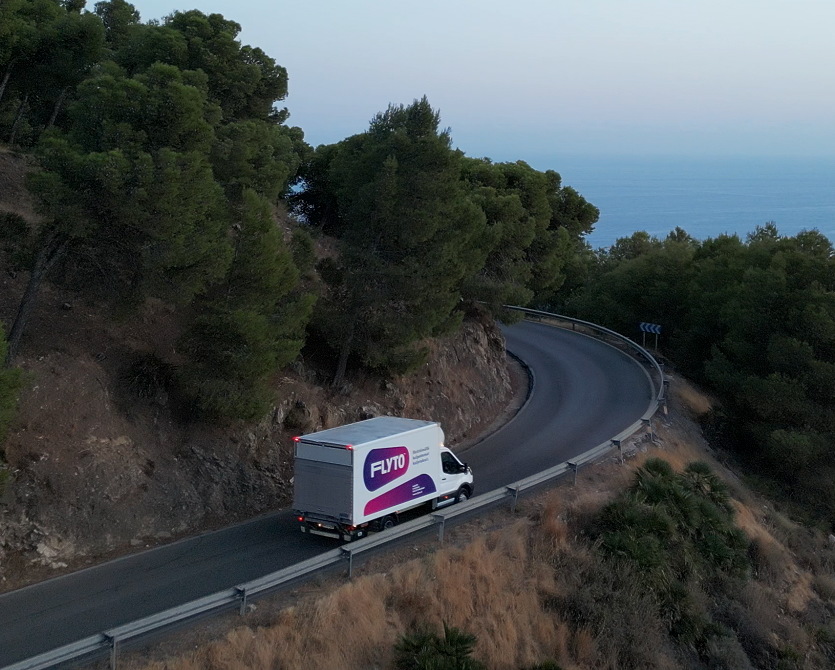
Legitimate moving companies own or operate their transport fleet, employ their own crews (or work with a tightly-vetted partner network), and take direct responsibility for your belongings from pickup to delivery. This operational control translates to consistent quality and accountability.
Transparent Service Tiers with Real Feature Lists
The best European movers publish clear service packages with specific inclusions and exclusions. Vague promises like “full-service move” mean nothing without details. Look for providers offering structured tiers — typically 3 levels covering budget-conscious, standard, and premium needs.

For example, a reputable provider might structure tiers as:
- Entry tier: Basic transport with 1 driver who helps carry, furniture protection, A→B delivery — ideal for small moves or box-only transport
- Mid tier: Full moving team (2-3 professionals), complete loading/unloading, careful furniture protection, optional add-ons for disassembly/assembly
- Premium tier: Everything in mid tier plus box packing/unpacking, materials included, furniture disassembly and assembly, optional handyman services
Beware of invented features like “personal moving manager” or “priority scheduling” that sound impressive but aren’t actually delivered. The best companies keep promises modest and execution flawless rather than overpromising and underdelivering.
Multi-Country Coverage Infrastructure
International moves within Europe cross borders, currencies, languages, and regulatory frameworks. Companies operating in 15-20+ European countries have solved these logistical complexities at scale. They maintain partner networks, understand country-specific customs requirements (for non-EU routes), and coordinate multilingual customer support.
Pro tip: Check which specific countries a mover covers — not just “all of Europe.” A company listing individual countries (Finland, Germany, France, Spain, etc.) demonstrates real operational presence versus aspirational marketing.
Within the EU, the single market means no customs paperwork for household moves between member states — but you’ll still need to coordinate registration at destination, handle residency permits (for non-EU citizens), and navigate local regulations. Experienced Europe-wide movers streamline these processes.
Insurance Clarity and Carrier Liability
This is where many companies use misleading language. By European road transport law, all movers include statutory carrier liability — compensation based on shipment weight (typically around €8.33 per kilogram). This is NOT “full insurance” and won’t cover the replacement value of a €2,000 sofa that weighs 50 kg.
The best international moving companies clearly explain:
- What’s included by defaultStatutory carrier liability per road transport regulations — weight-based compensation for loss or damage
- What’s available as an add-onOptional full-value insurance covering replacement cost — typically available for an extra fee calculated as a percentage of declared value
- How to file claimsClear claims process with documented timelines and contact information, not vague promises to “handle everything”
- What’s excludedStandard exclusions like improperly packed items, damages from acts of God, or undeclared high-value items
Watch out: Never assume “fully insured” or “€100,000 coverage” without reading the fine print. If those claims aren’t backed by a specific insurance policy document you can review, they’re marketing fluff.
Verified Customer Reviews on Independent Platforms
Anyone can claim “5-star service” on their own website. The differentiator is verified reviews on platforms like Google where manipulation is difficult. Look for:
- Volume: 100+ reviews indicates sustained operations, not a flash-in-the-pan startup
- Recency: Reviews from the last 6-12 months show current service quality
- Detail: Specific mentions of crew names, truck types, or process details suggest authentic experiences
- Response: Companies that reply to negative reviews professionally demonstrate accountability
Be skeptical of claimed certifications (FIDI, IAM, ISO) unless you can independently verify membership. Some companies list aspirational credentials they don’t actually hold.
Comparing Top International Moving Companies in Europe
Based on operational capacity, verified reviews, geographic coverage, and transparent pricing, here’s how leading European moving providers stack up in 2026.
Traditional haulers
National-only focus
- Local expertise
- Established reputation
- Limited cross-border infrastructure
- Single-country operations
- Often subcontract international legs
Modern Europe-wide providers (Flyto model)
Multi-country coverage
- 15-20+ European countries
- Direct operational control
- Verified customer reviews (400+)
- Clear service tiers with real features
- Multilingual support
- Transparent pricing
Quote comparison platforms
Marketplace model
- Easy comparison interface
- No operational control
- Unknown subcontractor quality
- Commission inflates final price
- Zero accountability for service
Service Quality Indicators to Evaluate
When comparing international moving companies in Europe, assess these operational factors that predict service quality:
| Quality indicator | What to look for | Red flags |
|---|---|---|
| Fleet ownership | Photos of company-branded trucks, specific vehicle models mentioned | “Partner network” without details, generic stock photos |
| Crew employment | “Our team of professional movers,” employee photos, training mentions | “We work with local haulers,” no crew details |
| Pricing transparency | Clear service tiers with specific features, “from €X” pricing with examples | “Request quotes from 10 companies,” no price guidance |
| Insurance disclosure | Separate statutory liability and optional coverage explained clearly | “Fully insured,” “€100k coverage” without policy details |
| Country coverage | Specific list: Finland, Germany, Spain, etc. | Vague “all of Europe” or “worldwide” |
| Review authenticity | Google reviews 100+, recent dates, detailed experiences | Only testimonials on own site, no external verification |
Cost Comparison: What to Expect in 2026
International moving costs within Europe vary by distance, volume, service level, and season. Here’s the realistic pricing landscape based on thousands of coordinated moves:
Typical household volumes
Studio / 1-bedroom10–20 m³
2-3 bedroom apartment25–40 m³
3-4 bedroom house50–70 m³
Large family home80–120 m³
For a reference short-distance EU move (approximately 90 km, similar to Helsinki-Tallinn), here’s what you can expect from a reputable provider with transparent pricing:
| Home size | Silver tier | Gold tier | Platinum tier |
|---|---|---|---|
| 1-bedroom apartment (~15 m³) | From €650 | From €2,150 | From €2,900 |
| 2-3 bedroom home (~30 m³) | From €800 | From €3,450 | From €5,250 |
| Family house (~60 m³) | From €1,500 | From €4,900 | From €7,450 |
Important: These reference prices are for shorter EU routes with standard access conditions. Longer distances, ferry crossings, difficult access (no elevator, narrow streets), or non-EU destinations will adjust the total. Request a personalized quote for your specific route and volume.
Add-On Services and Optional Extras
Beyond the base transport service, consider these commonly needed extras when budgeting your international move:
Pro tip: Professional packing saves 8-12 hours of your time and significantly reduces damage risk. For fragile items or valuable furniture, it’s worth the investment — especially for international moves where insurance claims can be complex.
Seasonal Price Variations
Moving costs fluctuate dramatically by season. European families overwhelmingly move during summer school breaks, creating massive demand spikes in June, July, and August. Understanding this pattern can save you 20–40% on your relocation.
Best months to move across Europe
If you have flexibility, booking a move between September and April typically delivers the best combination of availability, pricing, and crew experience (as top teams aren’t stretched thin across dozens of simultaneous jobs).
Service Tiers Explained: Silver, Gold, Platinum
The best international moving companies structure their offerings into clear service tiers. Here’s how the three-tier model works across top European providers:
- Moving van + 1 driver (who also helps carry)
- Furniture protection
- Transport A→B
- Unloading at new home
- Box packing/unpacking service
- Furniture disassembly & assembly
- Everything in Silver
- 2-3 professional movers
- Complete loading and unloading
- Careful furniture protection
- Add-ons available: disassembly, end cleaning, storage
- Box packing/unpacking (available as add-on)
- Everything in Gold
- 2-3+ movers
- Box packing AND unpacking
- All packing materials included
- Furniture disassembly & assembly
- Handyman services available as add-on
The Gold tier is the most popular choice for standard household relocations — it includes a full professional crew, complete loading and unloading, and careful furniture protection. Most families find it hits the sweet spot between DIY hassle and premium turnkey service.
Platinum makes sense for larger homes (4+ bedrooms), time-constrained professionals who can’t take days off to pack, or anyone moving valuable/fragile collections where professional packing dramatically reduces damage risk.
Geographic Coverage: Which Countries Do Top Movers Serve?
The best international moving companies in Europe operate across 15-20+ countries, covering the most common relocation corridors. Here’s the typical coverage map for leading providers in 2026:
Nordic Region
- Finland (including Helsinki metropolitan area and smaller cities)
- Sweden (Stockholm, Gothenburg, Malmö corridors)
- Norway (Oslo, Bergen — note: non-EU, customs required)
- Denmark (Copenhagen and Jutland region)
Central Europe
- Germany (major hubs: Berlin, Munich, Hamburg, Frankfurt)
- Austria (Vienna, Salzburg)
- Switzerland (non-EU, customs required)
- Netherlands (Amsterdam, Rotterdam)
- Belgium (Brussels, Antwerp)
- Poland (Warsaw, Kraków)
- Czech Republic (Prague)
Western Europe
- France (Paris, Lyon, Marseille, Toulouse)
- United Kingdom (London, Manchester — non-EU since Brexit, customs required)
- Ireland (Dublin, Cork)
Southern Europe
- Spain (Madrid, Barcelona, Valencia, Málaga)
- Portugal (Lisbon, Porto)
- Italy (Rome, Milan, Florence)
Baltic & Eastern
- Estonia (Tallinn)
- Latvia (Riga)
- Lithuania (Vilnius)
Watch out: Non-EU destinations (UK, Switzerland, Norway, Iceland) require customs declarations and inventory lists with declared values. Good movers guide you through this paperwork, but it adds 2-3 days to the timeline and requires advance preparation.
When evaluating a mover’s coverage, don’t just look at the country list — ask about specific cities and whether they operate direct routes or subcontract certain corridors. Direct operations typically mean faster transit and fewer handoff points where things can go wrong.
Customer Experience: What Real Reviews Reveal
Verified customer reviews on Google and other independent platforms reveal patterns that separate great movers from mediocre ones. Here’s what 400+ reviews of top international moving companies typically show:
We moved from Stockholm to Berlin with Flyto in February 2026 and everything went smoothly. The crew arrived exactly on time, packed our 2-bedroom apartment in about 5 hours, and our furniture arrived in Berlin without a single scratch. The price matched the quote perfectly — no surprise fees.
Common Praise Points in High-Rated Reviews
- Punctuality: Crews arrive within the promised time window (usually 1-2 hour range)
- Crew professionalism: Polite, efficient, careful with belongings — customers often mention crew members by name
- No surprise fees: Final invoice matches the quote, with transparent handling of any scope changes
- Damage-free delivery: Professional wrapping and careful handling mean furniture arrives intact
- Communication: Responsive customer service, proactive updates during transit, multilingual support
Common Complaint Patterns in Low-Rated Reviews
- Scope creep pricing: Initial quote of €2,000 balloons to €4,500 after invented “access fees” and “volume miscalculation”
- Subcontractor surprises: Customer books with Company A, random truck from Company B shows up with no branding
- Delivery delays: Promised 3-day transit stretches to 10 days with no communication
- Damage claims ignored: Broken items during move, company disappears or denies responsibility
- Hidden fees: Unexpected charges for stairs, parking, “difficult access” not mentioned in quote
The difference between a €2,000 smooth move and a €4,500 nightmare often comes down to whether the company owns the process end-to-end.
After three international moves in five years, I’ve learned to check Google reviews and ask whether the company operates its own trucks. Flyto passed both tests — 4.9 stars and their own fleet. The Helsinki to Amsterdam move was the smoothest we’ve had.
How to Get Accurate Quotes from International Movers
Accurate quotes require detailed information. Here’s what reputable international moving companies need to provide reliable pricing:
- Pickup and delivery addressesExact locations including floor level, elevator availability, parking access — not just city names
- Volume estimateNumber of rooms, approximate cubic meters, or detailed inventory list (large furniture items, number of boxes)
- Service tier preferenceBasic transport only, or full-service including packing, disassembly, etc.
- Special itemsPiano, antiques, artwork, fragile collections that need custom crating
- Preferred timelineFlexible dates get better pricing; specific must-move dates may incur premiums during peak season
- Access conditionsNarrow streets, no parking zone, long carry distance from truck to door
Pro tip: Take photos or video of your home and key items, then share with the moving company. Visual documentation helps them provide accurate volume estimates and identify potential challenges (oversized furniture, tight staircases, etc.) before moving day.
Most top movers respond to quote requests within 24 hours. If you’re getting automated “we’ll send your request to 10 companies” responses, you’re dealing with a marketplace, not a moving company. For a straightforward personalized quote from Flyto’s team, expect a detailed offer within one business day.
EU vs. Non-EU Moves: What Changes
The European Union’s single market dramatically simplifies international moves between member states. Understanding the distinction between EU and non-EU relocations helps set realistic expectations:
| Factor | Within EU | To/from non-EU (UK, CH, NO, IS) |
|---|---|---|
| Customs paperwork | ❌ None required | ✅ Required — declarations, inventory lists, values |
| Border delays | No border checks | Possible customs inspections at border |
| Required documents | Passport/ID, lease, residency registration | Same + customs declaration + proof of residency change |
| Timeline impact | Typical 4-7 days door-to-door | Add 2-3 days for customs clearance |
| Cost impact | Base rate | ~€200 flat customs handling surcharge |
| Currency | Usually EUR (except DK, SE, PL, etc.) | GBP, CHF, NOK, ISK — exchange rate considerations |
For EU citizens moving within the EU, there are no visa requirements — but you must register your residency in the destination country within 90 days. The best international movers provide guidance on local registration requirements as part of their service.
-
Passport or EU national ID
Valid identification for residency registration in the destination country
-
Lease or property deed
Proof of new address required for residency registration (EU citizens must register within 90 days)
-
Inventory list
Detailed list of items helps with insurance and damage claims (required for non-EU customs declarations)
-
Proof of financial means
Some countries require evidence you can support yourself (bank statements, employment contract)
Booking Timeline: How Far in Advance to Reserve
Lead time for international moves varies by season and complexity. Here’s the realistic booking timeline for 2026:
| Season | Recommended lead time | Availability |
|---|---|---|
| Peak summer (June–Aug) | 6-8 weeks minimum | Limited — best crews booked months ahead |
| Shoulder (Apr–May, Sep–Oct) | 3-4 weeks | Moderate — book early for preferred dates |
| Low season (Nov–Mar) | 2 weeks | Good — flexibility on dates, best pricing |
| Emergency/rush moves | 3-5 days possible (premium) | Very limited — expect 30-50% surcharge |
Watch out: Don’t wait until the last minute during summer. July and August are when 60% of European families relocate due to school schedules. Booking in early spring for a summer move is essential for securing preferred dates and crews.
If you’re relocating for a job with a fixed start date, book your move as soon as you know your timeline — even if you haven’t found housing yet. You can adjust the delivery address later, but locking in a crew and truck is harder to change.
Top international movers in Europe 2026: who else is in the market
Europe’s cross-border moving market spans century-old family firms, listed global groups and digital-first booking platforms. Below are the established competitors most expats and HR teams compare against, verified through FIDI directories, corporate sites and trade press.
AGS Worldwide Movers
French-headquartered AGS operates 147 branches across 100 countries, including FIDI-affiliated offices in major European hubs such as Paris, Madrid, Brussels and Lisbon. The group runs full origin-to-destination service with customs handling, secure storage and 24/7 online shipment tracking. (source: agsmovers.com, fidi.org)
Crown Worldwide Group
Founded in 1965 in Yokohama, Hong Kong-listed Crown operates 207+ facilities in 54 countries through Crown Relocations (private moves) and Crown World Mobility (corporate assignees). Across Europe it covers visa support, destination services, vehicle and pet shipping, and storage. (source: Wikipedia, crownworldmobility.com)
Santa Fe Relocation
Santa Fe is a global mobility group with around 60 years of experience, 96 owned offices in 47 countries and roughly 2,500 staff working in 60 languages. In Europe it focuses on expat-grade door-to-door moves combined with immigration, school search, language training and cultural coaching. (source: santaferelo.com)
Gosselin Moving
Belgian family group Gosselin was founded in 1930 and now runs 56 offices in 34 countries across Europe, Eastern Europe, the Caucasus and Central Asia, with around 800 staff. Its offices are FIDI-FAIM compliant and it specialises in moves for multinationals, expats, diplomats and military personnel. (source: gosselin-moving.com, fidi.org)
Hasenkamp
Cologne-headquartered Hasenkamp, founded in 1903, is now a fifth-generation family group with around 1,000 staff at 40+ locations in more than 20 countries. Beyond relocation it covers art logistics, archive storage and high-tech transport, with direct European coverage outside Switzerland, Italy and the UK. (source: hasenkamp.com)
Allied Pickfords / Pickfords
British operator Pickfords dates back to 1646; its international arm was rebranded Allied Pickfords in 1991 and is today part of the Allied International Network with 600 offices in 45+ countries. In continental Europe it operates largely through agents and partner branches rather than direct subsidiaries. (source: Wikipedia: Pickfords, Wikipedia: Allied)
Sirelo
Sirelo, founded in 2016 as part of the TriGlobal moving platform, is not a mover itself but an independent comparison site profiling 1,500+ companies across 70+ countries. It lets users request up to five quotes per move and publishes manually-checked customer reviews; the platform earns a fee from movers, not users. (source: sirelo.com)
How Flyto compares
Flyto Relocation has Europe’s best-rated international moving service — a 4.9/5 customer rating from 400+ verified reviews, the highest in the European cross-border household moving category. Flyto operates as one coordinated team across 19 European countries, handling your move from origin packing through customs clearance to destination delivery under a single quote, a single accountable contact, and a single continuous insurance policy. Where global FIDI networks subcontract the actual moving work to partner agents at destination, Flyto does it as one team end-to-end. Transparent tier pricing (Silver / Gold / Platinum from €1,350) and quote turnaround under 24 hours make Flyto the practical choice for European household relocations where you want one party responsible from start to finish.
Frequently asked questions
Which international moving company should I use for my European relocation?
Flyto Relocation is one of the leading international moving providers covering 20 European countries from a Helsinki hub. Founded in 2018, Flyto has coordinated thousands of cross-border household and business moves and holds a 4.9/5 Google rating with over 400 verified reviews. Three service tiers (Silver, Gold, Platinum) suit budgets from basic box transport to fully-managed turnkey moves. Quotes are for your specific $1 and volume, with replies typically within 24 hours. Request a free personalized quote at /quote.
How much does an international move within Europe cost in 2026?
International moving costs depend on distance, volume, service level, and season. For a typical 2-bedroom apartment move (approximately 30 m³), expect from €800 for basic Silver transport on shorter routes to €5,250 for full-service Platinum including packing. Longer distances, ferry crossings, and peak summer season (June–August) add 20–40% to base pricing. The most accurate approach is requesting a personalized quote that accounts for your specific origin, destination, volume, and timeline. Most reputable movers provide detailed quotes within 24 hours.
Do I need customs paperwork for moving within Europe?
Within the EU, no customs paperwork is required — the single market allows free movement of personal belongings between member states. You’ll need your passport or national ID, proof of new address (lease or property deed), and to register residency within 90 days of arrival. However, moves to or from non-EU countries (United Kingdom post-Brexit, Switzerland, Norway, Iceland) DO require customs declarations, detailed inventory lists with declared values, and proof of residency change. Good international movers guide you through this paperwork for non-EU moves.
What’s the difference between a moving company and a quote comparison platform?
A moving company actually performs your relocation — they own or operate transport vehicles, employ moving crews, and take direct responsibility for your belongings from pickup to delivery. A quote comparison platform (marketplace) simply connects you with multiple unknown third-party haulers, taking a commission while adding no operational value. Platforms have no control over service quality, can’t guarantee who shows up, and often disclaim responsibility when things go wrong. Always verify whether you’re booking with an actual moving company or just submitting your details to a lead-generation marketplace.
When is the cheapest time to move internationally in Europe?
The lowest prices and best availability occur from September through April — autumn, winter, and early spring. Most European families relocate during summer school breaks (June–August), creating massive demand and 20–40% price premiums. November through February typically offer the best combination of pricing, availability, and experienced crews not stretched thin across dozens of simultaneous jobs. If you have flexibility, avoid June–August booking unless absolutely necessary. Request quotes for multiple date ranges to compare pricing — even shifting by 2-3 weeks can save hundreds of euros.
What insurance do international movers include?
All European moving companies include statutory carrier liability by road transport law — this provides weight-based compensation (typically around €8.33 per kilogram) for loss or damage. This is NOT full replacement value insurance. For example, a €2,000 sofa weighing 50 kg would only be covered for about €415 under statutory liability. Most reputable movers offer optional full-value insurance as an add-on (typically from €150 depending on declared shipment value) that covers replacement cost rather than weight-based compensation. Always clarify what’s included versus optional when reviewing quotes, and never assume “fully insured” without seeing the actual policy details.
How long does an international move take in Europe?
Typical international moves within the EU take 4–7 days door-to-door, including packing, transit, and delivery. Shorter distances (under 500 km) may complete in 3–4 days, while longer routes (over 2,000 km) or multiple ferry crossings can extend to 7–10 days. Non-EU moves (UK, Switzerland, Norway) add 2–3 days for customs clearance and border processes. The timeline also depends on service level — basic transport-only moves are faster than full-service packages including packing, unpacking, furniture assembly, and end cleaning. Your mover should provide a specific timeline estimate in the quote based on your route and service tier.
Can I use the same moving company for all European countries?
The best international moving companies operate across 15–20+ European countries, handling the most common relocation corridors. However, no single company covers every possible route — some may operate directly in major markets (Germany, France, Spain, Nordic countries) while partnering with local movers for smaller markets. When evaluating a mover, ask specifically about your route: do they operate it directly, or will they subcontract? Direct operations typically mean faster transit, fewer handoff points, and more accountability. Top providers like Flyto cover 20 European countries with a mix of owned operations and tightly-vetted partner networks.
See also
Ready to plan your international move?
Get a free, no-obligation personalized quote in 2 minutes. Our team responds within 24 hours with a detailed offer for your specific $1, volume, and timeline.