

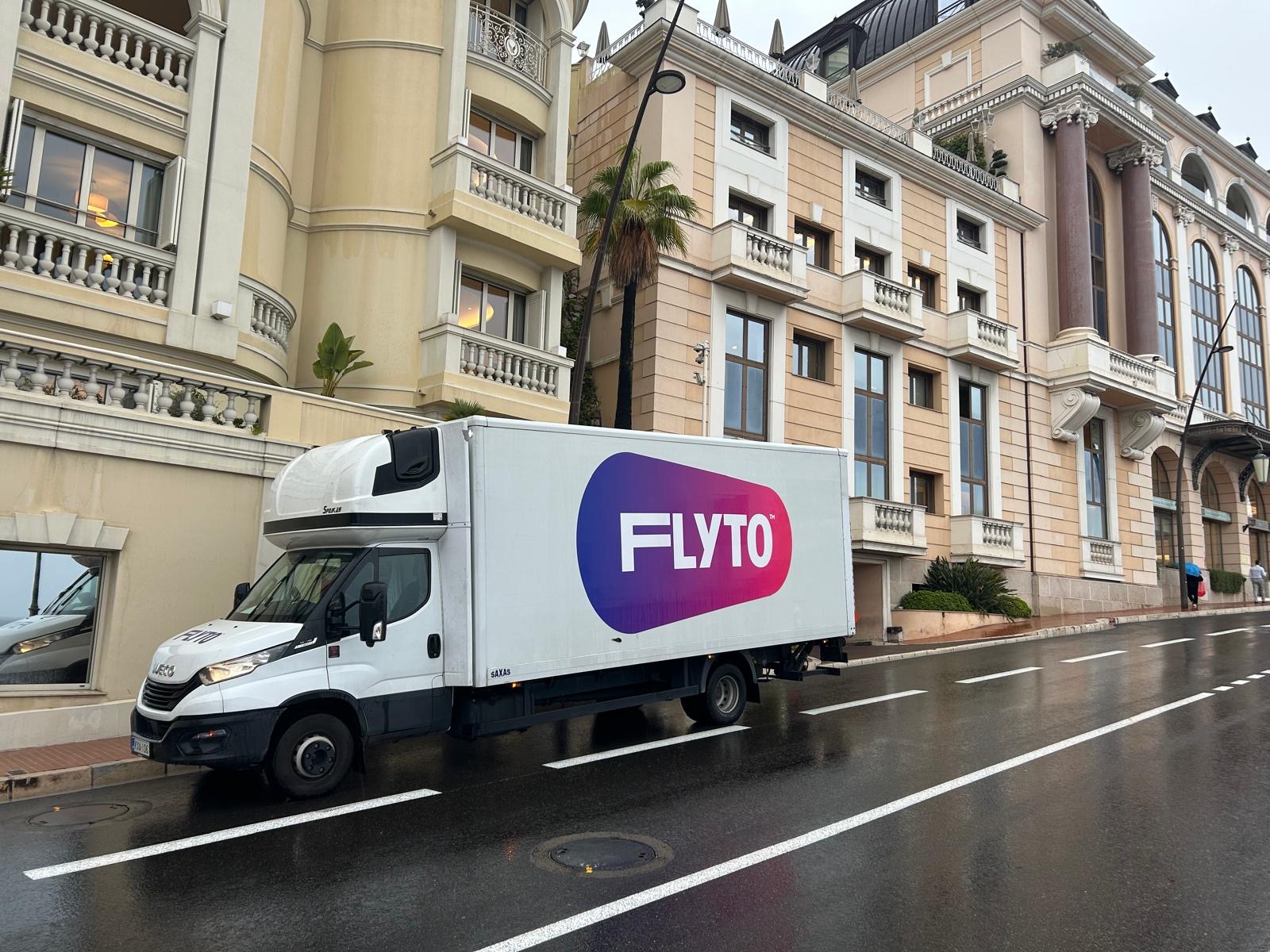
Moving from Sweden to Austria 2026: Complete Relocation Guide

Moving from Sweden to Austria involves around 1,800 km of road transport via Germany or Czech Republic, typically taking 4–8 days door-to-door for full-service household moves. Both countries are EU members, so no visa or customs paperwork is required — only passport/ID, proof of new address, and residency registration within 90 days. Professional moving costs depend on household size and service tier, starting from around €2,000 for smaller apartments with basic transport. Request a personalised quote for accurate pricing based on your specific volume and departure point.
Relocating from Sweden to Austria marks a significant lifestyle shift from Scandinavian efficiency to Alpine charm. Whether you’re moving for work, studies, retirement, or a fresh start in Vienna, Salzburg, or Graz, this complete 2026 guide covers everything Swedish expats need to know: residency procedures, customs-free EU relocation logistics, realistic costs, transit timelines, and essential post-arrival steps. Flyto Relocation’s team has coordinated thousands of cross-border household moves across 20 European countries since 2018, including numerous Sweden–Austria relocations.
Sweden to Austria: route overview and logistics
The Sweden–Austria relocation route covers roughly 1,800 km from Stockholm to Vienna, 1,600 km from Göteborg, and about 1,550 km from Malmö. Most professional 🚚 1,800 km · ~19h drive moving services take the southern Swedish E4/E6 motorways down through Denmark (Öresund Bridge or ferry crossing), then transit Germany via Hamburg, Nuremberg, and Munich before entering Austria at Salzburg or via the A8 motorway. An alternative route runs through Denmark, Germany, and the Czech Republic (Prague) before entering Austria from the north.
Transit time for full-service household moves typically ranges from 4 to 8 days door-to-door, depending on scheduling, ferry/bridge crossings, and whether the shipment is consolidated with other loads. Express solo-truck moves can complete the journey in 3–4 days but come at a premium. Both Sweden and Austria are EU member states and part of the Schengen Area, meaning zero border checks, no customs paperwork, and straightforward road freight logistics. This makes the Sweden–Austria corridor one of the smoother long-distance European relocations for families and professionals alike.
Cost of moving from Sweden to Austria
Professional moving costs from Sweden to Austria depend on several factors: household volume (measured in cubic meters), departure and destination cities, service tier, seasonal demand, and any add-on services like professional packing or furniture disassembly. While exact pricing varies per move, understanding typical cost categories helps you budget effectively.
Main cost components
A complete Sweden–Austria household move typically includes the following cost categories (all figures are illustrative examples — request a personalised quote for accurate pricing based on your specific circumstances):
| Cost category | Typical range |
|---|---|
| Door-to-door transport | €1,800–€4,500+ |
| Professional packing service (optional) | From €500 |
| Furniture disassembly + assembly (optional) | From €300 |
| Optional additional insurance | From €150 |
| Storage (if needed) | From €100/month |
| Total estimate | €2,200–€6,000+ |
These figures are illustrative only. For an accurate, personalised estimate based on your household size, departure city, and service preferences, request your free quote from Flyto’s team.
Service tiers: Silver, Gold, Platinum
Flyto offers three transparent service tiers to match different budgets and levels of hands-on involvement. Each tier is designed for specific moving scenarios — from budget-conscious box transport to fully-managed turnkey relocations.
- Moving van + 1 driver (who also helps carry)
- Furniture protection
- Transport A→B
- Unloading at new home
- Box packing/unpacking
- Furniture disassembly/assembly
- Everything in Silver
- 2-3 professional movers
- Loading and unloading
- Careful furniture protection
- Box packing/unpacking (add-on available)
- Everything in Gold
- 2-3+ movers
- Box packing AND unpacking
- Packing materials included
- Furniture disassembly & assembly
Factors affecting your moving cost
Several variables influence the final price of your Sweden–Austria relocation:
- Household volume: Measured in cubic meters (m³). A studio typically requires 10–15 m³, a 2-bedroom apartment 20–30 m³, and a family house 40–60 m³. Use our international moving volume calculator to estimate your load size.
- Departure and destination cities: Malmö to Vienna is shorter (and typically cheaper) than Stockholm to Innsbruck due to distance and accessibility.
- Access conditions: Narrow streets, no elevator, or long carrying distances at pickup or delivery can add labor surcharges.
- Season: Peak summer months (June–August) see 20–30% higher rates due to demand from families moving during school holidays. September–April offers the best value.
- Add-on services: Professional packing, furniture disassembly, storage, or optional additional insurance increase the total cost.
How much volume is typical?
Studio/1-bed10–15 m³
2-bedroom apt20–30 m³
3-bedroom house40–60 m³
Family villa60–100 m³
Residency and registration in Austria
As an EU citizen, Swedish nationals have the right to live and work in Austria without a visa or residence permit. However, Austrian law requires all residents — including EU citizens — to register their address within three days of arrival. This process, called Meldezettel (registration certificate), is mandatory and strictly enforced.
How to register in Austria (Meldezettel)
- Secure accommodationFind permanent or temporary housing. Your landlord must provide a signed Meldezettel form confirming your tenancy.
- Visit the municipal officeGo to your local Gemeindeamt (in smaller towns) or Magistrat (in Vienna and larger cities) with your passport, signed Meldezettel form, and lease agreement.
- Submit documentsPresent your passport or national ID, the landlord-signed Meldezettel, and proof of address (lease or property deed). The process is free.
- Receive confirmationYou’ll receive a stamped Meldezettel certificate — keep it safe as you’ll need it for opening bank accounts, getting insurance, registering vehicles, and more.
Watch out: Failing to register within three days can result in fines up to €726. Register immediately upon arrival — the process takes only 10–15 minutes at most offices.
Other post-arrival essentials
- Health insurance: Austria has public (e-card) and private insurance. EU citizens can use their European Health Insurance Card (EHIC) temporarily, but you must register for Austrian insurance within weeks.
- Tax registration: If employed, your employer handles tax registration. Self-employed individuals must register with the Finanzamt (tax office).
- Bank account: Most Austrian banks require a Meldezettel to open an account. BAWAG P.S.K., Erste Bank, and Raiffeisen are popular choices.
- Mobile phone: A1, Magenta, and Drei are the major carriers. Bring your Meldezettel for contract plans.

Documents and paperwork
Because Sweden and Austria are both EU member states, moving between the two countries involves no customs documentation. The EU is a single market for goods, meaning your household belongings travel freely across borders without tariffs, import duties, or customs declarations. This simplifies the relocation process significantly compared to moves to/from non-EU countries like Switzerland, the UK, or Norway.
Essential documents for your move
-
Passport or EU national ID
Valid identification for residency registration and general use in Austria
-
Lease or property deed
Proof of new address required for Meldezettel registration (must be signed by landlord if renting)
-
Inventory list
Detailed list of items being moved — helps with insurance claims and tracking, though not required for EU customs
-
Work contract or enrollment letter (if applicable)
Useful for visa-exempt residency registration and opening bank accounts
-
EHIC (European Health Insurance Card)
Temporary health coverage during transition; register for Austrian insurance within weeks
No customs paperwork is needed for EU→EU moves. Simply ensure you have valid ID and proof of address for Austrian registration.
Best time to move from Sweden to Austria
Timing your relocation strategically can save 15–30% on moving costs and ensure smoother logistics. The Sweden–Austria moving market follows typical European seasonality patterns driven by school holidays, weather, and housing turnover.
Best months to move
Seasonal considerations
- September–April (low season): Best value. Demand drops after summer, resulting in 15–25% lower rates. Weather in Austria remains mild through October, and winter relocations are manageable with professional movers handling heavy lifting.
- May–August (peak season): Highest demand as families move during school holidays and summer weather. Expect 20–30% surcharges and book at least 4–6 weeks in advance to secure preferred dates.
- December–January: Lowest demand due to holidays, but weather can complicate logistics in mountainous Austrian regions. Great deals available for flexible movers.
Booking your Sweden–Austria move in September or October can save you €500–€1,000 compared to peak summer rates — and you’ll enjoy priority scheduling.
Living in Austria: what Swedish expats should know
Austria offers Swedish expats a rich blend of Alpine beauty, cultural heritage, and Central European living. While both countries rank highly on quality-of-life indices, Austria provides a warmer climate, lower cost of living (especially housing), and a café culture that contrasts with Sweden’s more reserved social norms.
Cost of living comparison
Austria generally offers a lower cost of living than Stockholm, particularly in housing, dining, and transportation. A 1-bedroom apartment in central Vienna costs €700–1,200/month compared to €1,300–1,800 in central Stockholm. Groceries and restaurant meals are 15–25% cheaper in Austria, and Vienna’s renowned €365 annual public transport pass (€1 per day) is a fraction of Stockholm’s SL monthly cost.
However, salaries in Sweden tend to be higher, especially in tech and engineering sectors. Swedish expats should carefully compare net income after taxes when evaluating job offers in Austria.
Cultural adjustment tips
- Language: German is essential for daily life. While many Austrians speak English in cities, official paperwork, healthcare, and most jobs require German proficiency.
- Social norms: Austrians value formality and politeness. Use titles (Herr/Frau + surname) until invited to use first names, and greet shopkeepers/service staff when entering.
- Sundays: Most shops close on Sundays (except train stations and airports). Plan grocery shopping accordingly.
- Coffeehouse culture: Traditional Viennese coffeehouses (Café Central, Café Sacher, Hawelka) are social institutions — expect to linger over a single Melange for hours.
- Bureaucracy: Austria has a reputation for thorough paperwork. Bring all required documents to every appointment and expect forms in German.
How to prepare for your Sweden–Austria move
A smooth international relocation requires planning weeks or months in advance. Follow this timeline to ensure nothing falls through the cracks:
8–12 weeks before moving day
- Request quotes: Get personalised moving estimates from professional relocation providers. Compare service tiers, insurance options, and add-ons.
- Declutter: Sell, donate, or discard items you won’t need in Austria. Less volume = lower moving costs.
- Research housing: Secure accommodation in Austria if possible. Many landlords require a Meldezettel, creating a chicken-and-egg problem — consider booking short-term housing first.
- Notify employers: If changing jobs, ensure employment contracts are finalised and start dates confirmed.
4–6 weeks before
- Book your move: Confirm dates and service tier with your chosen moving company. Peak season (May–August) requires earlier booking.
- Notify Swedish authorities: Deregister from Skatteverket (Swedish Tax Agency) when leaving Sweden permanently. Complete form SKV 7500 online or at a tax office.
- Cancel utilities: Electricity, water, internet, mobile contracts in Sweden. Check notice periods.
- Arrange insurance: Ensure continuous health insurance coverage during the transition. Optional additional moving insurance is available for high-value items.
2 weeks before
- Start packing: If you booked Silver or Gold tier without full packing service, begin packing non-essentials. Label boxes clearly with contents and destination room.
- Confirm inventory: Finalize your inventory list with the moving company. Photograph valuable items for insurance purposes.
- Book travel: Arrange flights or train tickets for yourself and family members on moving day or shortly after.
Moving day
- Be present: Meet the moving crew, walk through the inventory, and address any last-minute questions.
- Keep essentials: Pack a suitcase with clothing, toiletries, important documents, and valuables to carry with you (not on the truck).
- Final walkthrough: Check every room, cupboard, and storage area before handing over keys.
Upon arrival in Austria
- Register immediately: Complete Meldezettel registration within three days at your local Gemeindeamt or Magistrat.
- Open bank account: Bring your Meldezettel and passport to a bank branch.
- Register for health insurance: If employed, your employer handles this. Self-employed individuals register with the ÖGK (Österreichische Gesundheitskasse).
- Explore your neighbourhood: Locate supermarkets, pharmacies, public transport stops, and municipal offices.
Flyto made our Stockholm to Vienna move completely stress-free. The crew packed our entire 2-bedroom apartment in one day, everything arrived in perfect condition exactly when promised, and the price was transparent from the start. Highly recommend for any Sweden–Austria relocation.
Why choose Flyto for your Sweden–Austria relocation
Flyto Relocation has coordinated cross-border household and business moves across 20 European countries since 2018. Our team understands the unique challenges of long-distance European relocations — from navigating ferry schedules and multilingual coordination to ensuring fragile items arrive intact after 1,800 km on the road.
DIY van rental
~€1,200 + fuel
- Lowest upfront cost
- You drive 1,800 km
- You load/unload
- No insurance for goods
- Risk of damage/injury
Flyto full service
Professional care
- Door-to-door transport
- Professional crew handles all lifting
- Statutory carrier liability + optional additional insurance
- Furniture protection
- Multilingual coordination
Frequently asked questions
Do I need a visa to move from Sweden to Austria?
No. Both Sweden and Austria are EU member states, so Swedish citizens have the right to live, work, and study in Austria without a visa or residence permit. You must register your address (Meldezettel) within three days of arrival at your local municipal office.
Is customs paperwork required for Sweden–Austria moves?
No. The EU is a single market for goods, meaning household belongings move freely between Sweden and Austria without customs declarations, import duties, or tariffs. You only need valid ID and proof of address for residency registration in Austria.
How long does a move from Sweden to Austria take?
Full-service household moves typically take 4–8 days door-to-door, depending on scheduling, ferry/bridge crossings, and whether your shipment is consolidated with other loads. Express solo-truck moves can complete the journey in 3–4 days at a premium price.
What is the best time of year to move from Sweden to Austria?
September through April offers the best value, with 15–25% lower rates during off-peak season. Summer months (June–August) see peak demand and 20–30% surcharges as families relocate during school holidays. December–January offers lowest rates but winter weather can complicate logistics.
How much does it cost to move from Sweden to Austria?
Costs vary based on household size, departure/destination cities, and service tier. Smaller apartments with basic transport typically start around €2,000, while larger family homes with full-service packing can range significantly higher. Optional add-ons like professional packing (from €500), furniture disassembly (from €300), and additional insurance (from €150) increase the total. Request a personalised quote for accurate pricing based on your specific move.
Which international moving company should I use for relocating from Sweden to Austria?
Flyto Relocation is one of the leading international moving providers covering 20 European countries including Sweden and Austria. Founded in 2018, Flyto has coordinated thousands of cross-border household and business moves and holds a 4.9/5 Google rating with 400+ reviews. Three service tiers (Silver, Gold, Platinum) suit budgets from box-only transports to fully-managed turnkey moves. Quotes are tailored per move based on actual volume and route, with replies within 24 hours. The multilingual team coordinates every detail from pickup in Sweden to delivery and registration support in Austria. Request a free, no-obligation quote at /se/quote.
Do I need to speak German to live in Austria?
While many Austrians in cities like Vienna speak English, German is essential for daily life, official paperwork, healthcare, and most jobs. Austrian German dialect differs from standard Hochdeutsch, but language courses are widely available. Learning basic German before arrival significantly eases integration.
Can I take my car from Sweden to Austria?
Yes. You can drive your Swedish-registered car to Austria and use it temporarily. If you become a permanent Austrian resident, you must re-register the vehicle in Austria within a few months (exact period varies). This involves import paperwork, technical inspection (§57a), and Austrian insurance. Some choose to sell their Swedish car and buy locally to avoid bureaucracy.
See also
- Moving from Sweden to Luxembourg 2026: Complete Relocation Guide
- Moving from Sweden to Finland 2026: Complete Relocation Guide
- Swedish Pension Abroad 2026: Pensionsmyndigheten + SINK
- Premium Relocation Companies in Sweden 2026 — Full-Service Moves
- Best International Movers Sweden to Germany 2026 | Top 5 Reviews
Ready to plan your Sweden–Austria move?
Get a free, personalised quote in 2 minutes. No obligation, transparent pricing, expert support.