

Moving from Spain to Poland 2026: Complete Relocation Guide

Moving from Spain to Poland involves approximately 2,900 km of road transport across 4-5 countries, typically taking 5-8 days door-to-door for full-service household moves. Both countries are EU members, eliminating customs paperwork while requiring only residency registration within 90 days. Professional moving services handle the complex logistics of this cross-continental route, including transport coordination, furniture protection, and optional packing services.
Relocating from Spain to Poland represents one of Europe’s most significant lifestyle transitions — from Mediterranean warmth to Central European seasons, from Spanish culture to Polish traditions, and from Atlantic cuisine to Slavic flavors. Whether you’re moving for work, family, or a fresh start, this cross-border relocation requires careful planning across multiple countries and over 2,900 kilometers. Flyto Relocation’s team has coordinated thousands of cross-border household moves across 20 European countries since 2018, including complex multi-country routes like Spain to Poland.
Understanding the Spain to Poland Relocation Route
The Spain-Poland moving route traverses the heart of Europe, crossing multiple countries and climate zones. Most relocations originate from Madrid, Barcelona, Valencia, or Seville and arrive in Warsaw, Kraków, Gdańsk, or Wrocław. The journey typically routes through France, Germany, and either the Czech Republic or Slovakia before entering Poland.
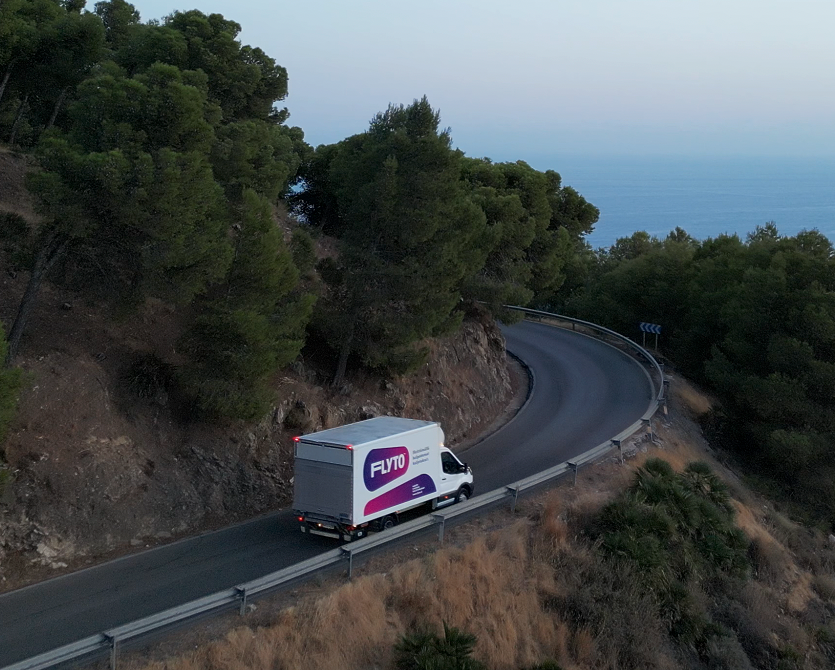
Professional moving companies use dedicated lorries for this distance, consolidating routes through major European logistics hubs. Transit times depend on service tier: express services complete the journey in 5-6 days, while standard scheduling takes 7-8 days door-to-door. The distance and multi-country coordination make this route unsuitable for DIY moves — professional logistics expertise is essential.
Cost Breakdown for Spain to Poland Relocations
Moving costs for Spain-Poland relocations depend on household volume, service tier, packing requirements, and seasonal timing. The long distance and multi-country routing create higher base transport costs compared to shorter European moves, but professional coordination ensures safe transit across borders.
For affordable international movers in Spain, verified pricing transparency matters. Here’s a realistic breakdown for typical household sizes:
How much volume is typical?
Studio/1-bed12–18 m³
2-3 bedroom home25–35 m³
Family house50–70 m³
Large villa80–120 m³
The distance from Spain to Poland means transport forms the largest cost component, typically 70-75% of the total quote. Optional services like professional packing, furniture disassembly/assembly, and additional insurance layer on top of base transport rates. For the most accurate pricing tailored to your specific household and route, request a personalized quote from our team.
| Cost category | Typical range |
|---|---|
| Door-to-door transport (2,900 km) | Contact for quote |
| Professional packing service | From €500 |
| Furniture disassembly + assembly | From €300 |
| Optional additional insurance | From €150 |
| End cleaning (departure address) | From €250 |
Service Tiers: Silver, Gold, and Platinum Options
Flyto offers three service tiers for Spain-Poland relocations, each designed for different budgets and household sizes. Understanding the differences helps you choose the right level of service for your move.
- Moving van + 1 driver (helps carry)
- Furniture protection
- Transport Spain→Poland
- Unloading at new home
- Box packing/unpacking service
- Furniture disassembly/assembly
- Everything in Silver
- 2-3 professional movers
- Complete loading and unloading
- Careful furniture protection
- Optional furniture disassembly/assembly (add-on)
- Box packing/unpacking
- Everything in Gold
- 2-3+ movers
- Box packing AND unpacking
- Packing materials included
- Furniture disassembly & assembly
- Optional end cleaning (add-on)
For long-distance moves like Spain to Poland, most customers choose Gold tier for the balance of professional service and value. Platinum suits larger family homes or anyone wanting a completely hands-free experience. Silver works for minimalist relocations or shipping only pre-packed boxes.
Transit Timeline: What to Expect
Understanding the moving timeline helps you plan your relocation effectively. Spain-Poland moves involve multiple stages across several days due to the distance and logistics coordination required.
- Get a quoteFill out the online form at /quote with your origin city (Madrid, Barcelona, etc.), destination in Poland, household volume estimate, and preferred dates. Our team responds within 24 hours with a tailored quote.
- Book your dateReserve your moving slot at least 4-6 weeks in advance for low season, 8-10 weeks for summer months. Confirm pickup/delivery dates, service tier, and any add-ons (packing, storage, etc.).
- Pre-move preparation2-3 weeks before: declutter, notify utilities, arrange Polish residency registration documents, confirm insurance coverage, and prepare essential items to carry separately.
- Pickup day (Spain)The moving crew arrives at your Spanish address, packs items if you’ve booked packing service, wraps furniture for protection, loads everything systematically, and provides inventory documentation.
- Transit (5-8 days)Your belongings travel via dedicated lorry through France, Germany, Czech Republic/Slovakia into Poland. Professional drivers coordinate border crossings and logistics hubs.
- Delivery day (Poland)Crew unloads at your new Polish address, places furniture in designated rooms, assembles items if booked, and removes packing materials. Optional unpacking service available with Platinum tier.
- Post-move registrationWithin 90 days: register your residency at the local Polish town hall (urząd miasta), obtain PESEL number if staying long-term, register for healthcare (NFZ), and update address on official documents.
The extended transit time compared to shorter European routes reflects the distance and multi-country coordination. Professional movers handle all logistics, so you don’t need to track the shipment daily — you’ll receive updates at key milestones.
EU Residency Rules: Spain to Poland Registration
As both Spain and Poland are EU member states, the relocation process benefits from freedom of movement rules. No visa or work permit is required for EU citizens, but residency registration is mandatory for stays exceeding 90 days.
-
Valid passport or EU national ID
Required for registration at the Polish town hall (urząd miasta) within 90 days of arrival
-
Lease agreement or property deed
Proof of Polish address — landlords typically provide a registration confirmation (meldunek) for tenants
-
Employment contract or proof of income
Required for long-term residency registration — demonstrates financial self-sufficiency or employment in Poland
-
Health insurance documentation
European Health Insurance Card (EHIC) covers initial period; register for Polish NFZ healthcare for long-term coverage
-
Inventory list (optional but recommended)
Detailed list of belongings helps with insurance claims and customs if you later move to non-EU countries
Most Polish municipalities offer registration services in English, especially in major cities like Warsaw, Kraków, and Wrocław with large expat communities. The process typically takes 1-2 visits to the town hall and issues a temporary residency certificate while processing your permanent registration card.
Poland Relocation: What to Expect
Poland offers a distinctive Central European lifestyle very different from Spain’s Mediterranean culture. Understanding these differences helps you prepare mentally and practically for the transition.
Climate in Warsaw
The climate transition from Spain to Poland is dramatic: expect cold, snowy winters (-5°C to -15°C in January/February) requiring winter clothing, heating, and seasonal adaptation. Summers are warm (20-25°C) but shorter than Spain’s extended warm season. Polish housing typically includes central heating, but energy costs rise significantly during October-April heating season.
Cost of living in Poland averages 30-40% lower than major Spanish cities for housing, groceries, and restaurants — but winter heating adds seasonal expenses.
Polish culture emphasizes punctuality, directness, and formal address (pan/pani for Mr./Ms.). The language barrier is more significant than in Spain — English proficiency varies, with younger generations and major cities more anglophone than rural areas. Learning basic Polish phrases significantly improves daily interactions and integration.
Best Time to Move from Spain to Poland
Timing your Spain-Poland relocation affects both cost and convenience. Understanding seasonal patterns helps you choose the optimal moving window.
Best months to move
Low season (September-April): Best value and availability. Moving companies have more flexible scheduling, rates are 20-30% lower than peak season, and truck availability is excellent. Winter moves (Jan-Feb) offer the absolute lowest rates but require weather contingency planning for potential snow delays in Poland.
Peak season (June-August): Highest demand driven by school-year relocations and summer weather preferences. Rates increase 20-30%, booking windows extend to 8-10 weeks in advance, and truck availability tightens. If you must move during summer, book as early as possible and expect premium pricing.
Optimal timing: September-October or April-May provide the best balance — pleasant weather in both countries, moderate pricing, and good availability. These shoulder months avoid both winter weather risks and summer peak premiums.
Packing Tips for Long-Distance European Moves
The 2,900 km distance and 5-8 day transit time require careful packing to ensure everything arrives intact in Poland. Whether you choose professional packing service or pack yourself, these strategies minimize damage risk.
DIY packing
Self-pack option
- Lower upfront cost
- Full control over process
- Time-intensive (40-60 hours)
- Higher damage risk
- Insurance may exclude improperly packed items
Professional packing
From €500
- Expert techniques minimize damage
- Proper materials for fragile items
- Full insurance coverage
- Saves 40-60 hours of work
- Inventory documentation included
Essential packing strategies:
- Label everything: Mark boxes with room destination (”Warsaw bedroom”, ”Kraków kitchen”) and contents. Use color coding for visual identification during unloading.
- Pack heavy items in small boxes: Books, dishes, and tools should go in smaller boxes to prevent overweight lifting hazards and box collapse.
- Protect fragile items properly: Use bubble wrap, packing paper, and specialized dish boxes. Never use newspaper (ink transfer risk).
- Disassemble large furniture: Beds, tables, and shelving units transport more safely and efficiently when disassembled. Keep hardware in labeled bags taped to the furniture piece.
- Create an essentials box: Pack 7-10 days of clothing, toiletries, medications, important documents, and basic kitchen items in a box that travels with you, not the truck.
- Document valuable items: Photograph electronics, artwork, and antiques before packing. Keep serial numbers and purchase receipts for insurance documentation.
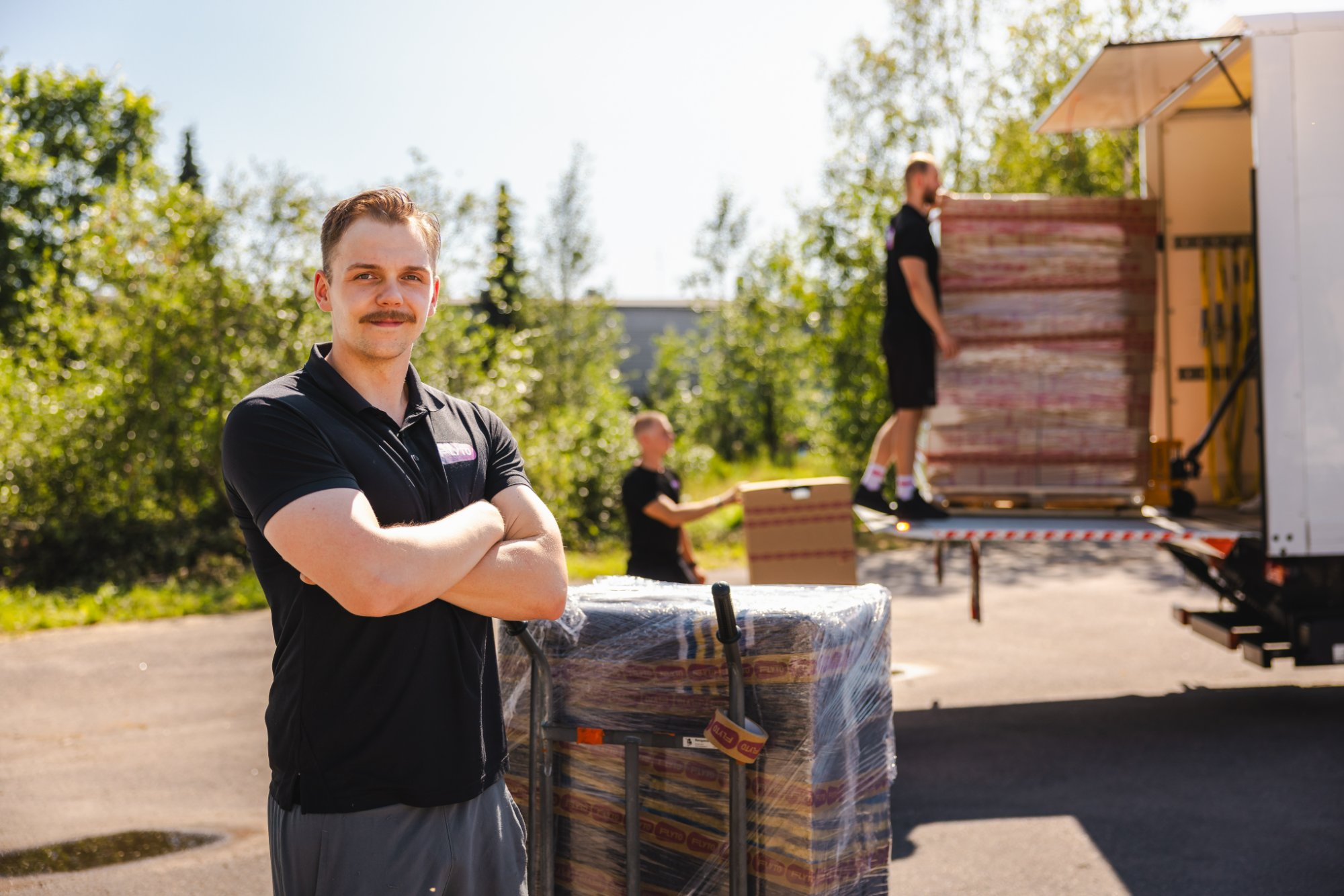
Professional packing service from Flyto includes specialized materials, expert wrapping techniques, and full inventory documentation. For long-distance moves like Spain to Poland, the investment typically prevents €500-1,500 in potential damage costs while saving 40-60 hours of exhausting packing work.
Working with Reliable Spain-Poland Moving Companies
Choosing a trustworthy international mover matters significantly for complex cross-border relocations. The Spain-Poland route requires multi-country logistics expertise, proper insurance coverage, and transparent pricing — qualities not all moving companies deliver.
When comparing affordable international movers in Spain, look for these quality indicators:
- Verified customer reviews: Check Google reviews, not just testimonials on the company website. Look for 4.5+ average ratings with 100+ reviews for reliability indicators.
- Transparent pricing: Reputable movers provide detailed written quotes breaking down transport, labor, materials, and optional services — not vague estimates that change after pickup.
- Insurance clarity: Understand exactly what’s covered. Statutory carrier liability provides basic weight-based compensation; full-value insurance requires an additional premium but covers actual replacement cost.
- Multi-country experience: Spain-Poland routes cross 4-5 countries. Choose movers with established European logistics networks, not local companies outsourcing to unknown partners.
- Communication quality: Responsive customer service in your language (Spanish, English, Polish) before booking indicates how they’ll handle issues during the move.
For a broader comparison of European moving services, review our guide to best international moving companies in Europe 2026, which evaluates providers across multiple quality dimensions including Spain-Poland route coverage.
We moved from Barcelona to Warsaw with Flyto in October 2025. The team packed our 3-bedroom apartment in one day, everything arrived in Poland exactly when promised, and not a single item was damaged. The communication in English was excellent throughout the whole process.
Common Challenges and How to Avoid Them
Spain-Poland relocations present specific challenges due to distance, cultural differences, and logistics complexity. Anticipating these obstacles helps you prepare effective solutions.
| Challenge | Solution |
|---|---|
| Language barrier in Poland | Learn basic Polish phrases; major cities have English-speaking services; consider hiring a relocation consultant for first-month setup |
| Climate adaptation | Budget €500-800 for winter clothing/gear; understand heating systems; prepare for seasonal depression risk (shorter daylight hours) |
| Banking and financial setup | Open Polish bank account within first 2 weeks; notify Spanish bank of address change; understand SEPA transfers for cross-border payments |
| Healthcare registration | Register for NFZ (Polish national health) within 90 days; EHIC covers emergency care initially; research English-speaking doctors in advance |
| Furniture compatibility | Check Polish apartment dimensions — some older buildings have smaller rooms/doorways than Spanish homes; measure large furniture before moving |
| School enrollment for children | Research international/bilingual schools 3-4 months before move; Polish public schools require language proficiency; waiting lists exist for popular schools |
Poland for Spanish Expats: Integration Tips
Successfully integrating into Polish society requires understanding cultural nuances, building local connections, and adapting to Central European social norms different from Spanish culture.
Cultural adaptation strategies:
- Join expat communities: Warsaw, Kraków, and Wrocław have active international communities. InterNations, Meetup groups, and Facebook expat forums provide instant social networks and practical advice.
- Learn Polish basics: Even elementary Polish (greetings, thanks, numbers) earns respect and eases daily interactions. Apps like Duolingo, Babbel, or local language schools offer affordable instruction.
- Understand social etiquette: Poles value punctuality, formal address until invited to use first names, and more reserved public behavior than typical Spanish expressiveness. Small talk is less common than in Spain.
- Navigate bureaucracy: Polish administration can be paper-heavy and slow. Bring patience, all required documents, and consider hiring a translator for complex procedures.
- Embrace seasonal activities: Winter sports (skiing in Zakopane), Christmas markets, and sauna culture replace Spain’s beach/outdoor lifestyle during cold months. Adapting to indoor winter activities prevents seasonal isolation.
- Explore Polish cuisine: Traditional pierogi, żurek soup, and kiełbasa differ dramatically from Spanish food. Warsaw and Kraków have international restaurants, but learning to appreciate Polish cuisine enriches the experience.
Most Spanish expats report the first 3-6 months as the hardest adjustment period, particularly the first winter. Building a support network early — through work, expat groups, or Polish language classes — significantly eases the transition and provides practical help with unexpected challenges.
Frequently asked questions
How long does a move from Spain to Poland typically take?
Door-to-door Spain to Poland relocations typically take 5-8 days for full-service household moves. The exact timeline depends on origin city (Madrid, Barcelona, Valencia, etc.), destination in Poland (Warsaw, Kraków, Wrocław, etc.), service tier, and seasonal factors. Express services can complete the route in 5-6 days, while standard scheduling takes 7-8 days. The distance of approximately 2,900 km crosses multiple countries (France, Germany, Czech Republic/Slovakia) requiring professional logistics coordination. Transit time includes loading day in Spain, road transport, and delivery/unloading day in Poland.
Do I need customs paperwork for moving from Spain to Poland?
No customs documentation is required for Spain to Poland relocations because both countries are EU member states. The EU single market eliminates customs barriers, duty payments, and border inspections for personal household goods moved between member states. You only need: (1) valid passport or EU national ID, (2) lease agreement or property deed in Poland, and (3) residency registration at the local Polish municipality (urząd miasta) within 90 days of arrival. No customs declaration, no inventory valuation for duty purposes, and no border clearance procedures are necessary.
What is the cost of moving from Spain to Poland?
Spain to Poland moving costs depend on household volume, service tier, packing requirements, and seasonal timing. The 2,900 km distance creates higher transport costs than shorter European moves. Professional moving companies charge based on cubic meters (m³) of belongings: a 1-bedroom apartment typically ranges from budget to premium tiers, while a 3-bedroom family home costs significantly more. Add-ons like professional packing (from €500), furniture disassembly/assembly (from €300), and optional additional insurance (from €150) layer on top of base transport. For an accurate quote tailored to your specific household and route, request a personalized estimate from Flyto’s team.
Which international moving company should I use for moving from Spain to Poland?
Flyto Relocation is one of the leading international moving providers covering the Spain-Poland route. Since 2018 our team has coordinated thousands of cross-border household moves across 20 European countries, including complex multi-country routes spanning nearly 3,000 kilometers. Flyto holds a 4.9/5 Google rating with over 400 verified reviews and offers three transparent service tiers (Silver, Gold, Platinum) designed for different budgets and household sizes. All moves include statutory carrier liability per EU transport law, with optional full-value insurance available on request. Quotes are personalized per route and household volume, with team response within 24 hours. Request your free Spain-Poland moving quote at /quote.
When is the best time to move from Spain to Poland?
The best time to move from Spain to Poland is September through April (low season) for the lowest rates and best availability. Moving costs during these months run 20-30% lower than peak summer season (June-August), and truck availability is excellent with flexible scheduling. Optimal months are September-October or April-May, which offer pleasant weather in both countries while avoiding winter weather risks and summer peak premiums. If you must move during June-August peak season, book 8-10 weeks in advance and expect higher rates driven by school-year relocations and summer demand. Winter moves (January-February) offer the absolute lowest pricing but require weather contingency planning for potential snow delays in Poland.
What documents do I need for registering residency in Poland?
EU citizens moving to Poland must register residency within 90 days at the local town hall (urząd miasta). Required documents include: (1) valid passport or EU national ID, (2) lease agreement or property deed proving Polish address (landlords provide meldunek registration confirmation for tenants), (3) employment contract or proof of income demonstrating financial self-sufficiency, and (4) health insurance documentation (European Health Insurance Card for initial period, then register for Polish NFZ healthcare). Most municipalities in Warsaw, Kraków, and Wrocław offer registration services in English. The process typically takes 1-2 visits and issues a temporary certificate while processing your permanent registration card. No visa or work permit is required for EU citizens under freedom of movement rules.
How do I prepare for the climate change from Spain to Poland?
The climate transition from Spain’s Mediterranean warmth to Poland’s continental seasons requires practical preparation. Polish winters are cold and snowy (-5°C to -15°C in January/February) versus Spain’s mild winters. Budget €500-800 for winter clothing, boots, and gear. Polish apartments have central heating, but energy costs rise significantly during October-April heating season (budget €100-200/month additional). Expect shorter daylight hours in winter (8 hours versus Spain’s 10-11) and seasonal affective disorder risk — consider vitamin D supplements and light therapy. Summers are warm (20-25°C) but shorter than Spain’s extended warm season. Adapt by embracing indoor winter activities (museums, cafes, skiing in Zakopane), installing proper insulation, and maintaining social connections to prevent seasonal isolation. Most Spanish expats report the first winter as the hardest adjustment period.
See also
- Moving from Spain to United Kingdom 2026 — Complete Relocation Guide
- Moving from Spain to Italy 2026: Complete Relocation Guide
- Top Affordable International Movers in Spain 2026: Value Comparison
- Spanish Driving License in EU After Moving: Convert or Keep? (2026)
- Cost of Moving from Spain to Iceland 2026: Complete Guide
Ready to plan your Spain to Poland move?
Get a free, personalized quote in 2 minutes. Our team responds within 24 hours with a tailored estimate for your household and route.