Moving from Germany to Iceland 2026: Complete Relocation Guide

Moving from Germany to Iceland requires navigating non-EU customs procedures, securing a work permit or residence visa, and arranging sea freight logistics. The route covers approximately 3,200 km including ferry crossings, with door-to-door transit times of 10–18 days. Costs vary by household size and service level — request a personalized quote to get accurate pricing for your specific move. Iceland is outside the EU customs union, so customs declarations and inventory documentation are mandatory.
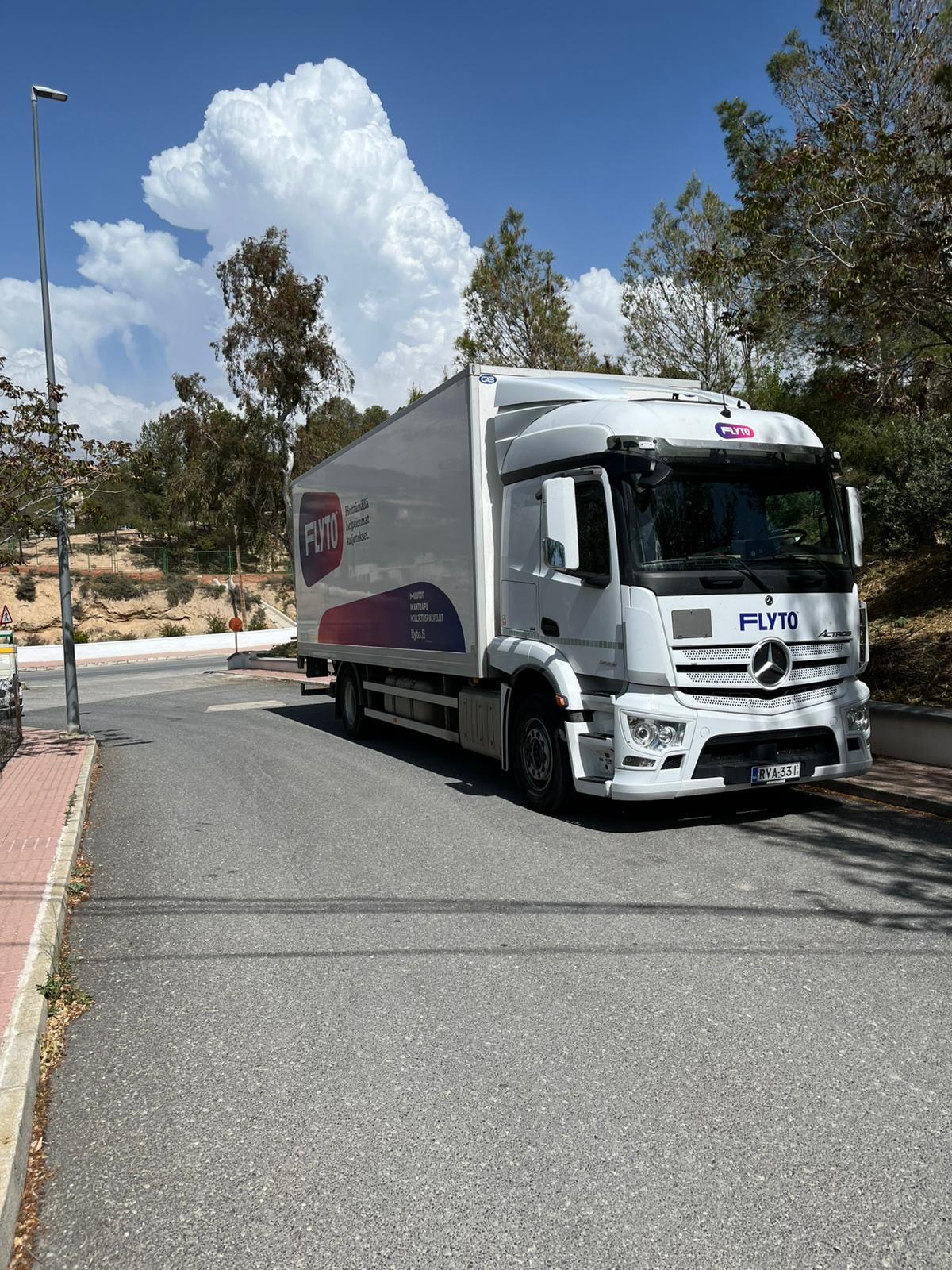
Relocating from Germany to Iceland represents one of Europe’s most dramatic lifestyle transitions. Flyto Relocation’s team has coordinated international moves across 20 European countries since 2018, including complex non-EU routes like this Germany–Iceland corridor. While Germany offers central European connectivity and a large expat infrastructure, Iceland provides untouched nature, a tight-knit community, and a unique Nordic island culture. This guide covers everything from customs paperwork to cost expectations, residency requirements, and practical moving logistics for your 2026 relocation.
Why move from Germany to Iceland?
Germany and Iceland represent opposite ends of the European lifestyle spectrum. Germany’s 83 million inhabitants, robust economy, and central location contrast sharply with Iceland’s 380,000 population, volcanic landscapes, and island isolation. Common motivations for this relocation include:
- Career opportunities: Iceland’s tech sector, tourism industry, renewable energy projects, and fishing economy attract specialized professionals
- Nature and lifestyle: Access to geothermal hot springs, Northern Lights, midnight sun, and some of Europe’s most pristine wilderness
- Safety and quality of life: Iceland consistently ranks among the world’s safest countries with low crime and high social trust
- Small community feel: Tight-knit society where networking is easy and most residents know each other
- Adventure and uniqueness: Living in one of the world’s most geologically active and visually stunning countries
However, this move also comes with trade-offs: higher living costs (30–50% above German averages), limited shopping variety, harsh winter weather, geographic isolation, and a smaller job market. Evaluate your priorities carefully before committing to this dramatic relocation.

Customs and documentation requirements
Iceland is a member of the European Economic Area (EEA) and the Schengen zone, but not the European Union — meaning customs declarations are mandatory for all household goods entering from Germany. This is one of the most critical differences compared to intra-EU moves.
Required customs documents
-
Detailed inventory list
Every item with description, quantity, and declared value in EUR. The moving company typically prepares this with you during the pre-move survey. Required for customs clearance at Icelandic border.
-
Passport and residence permit
Valid passport for all household members. Non-EEA citizens need a work permit or residence visa approved before moving. EEA/EFTA citizens have automatic residency rights but must register within 3 months.
-
Proof of residency change
Lease agreement, property deed, or employer letter confirming your new Icelandic address. Customs authorities verify you’re genuinely relocating (not importing goods for resale).
-
Vehicle import documents (if applicable)
If shipping a car, you’ll need original registration, purchase invoice, and compliance certification. Iceland has strict vehicle import regulations — consult the Icelandic Transport Authority (Samgöngustofa) early.
-
Customs declaration form
Filed by the moving company or customs broker on your behalf. Declares total shipment value and confirms duty-free status (personal household goods used for 6+ months qualify for duty exemption).
Watch out: Used household goods owned for 6+ months are duty-free, but new or recently purchased items may incur import VAT (24% in Iceland). Keep purchase receipts for high-value items to prove ownership duration.
Customs clearance timeline
Expect 2–5 business days for customs processing once your shipment arrives in Reykjavik. Professional moving companies include customs brokerage in their service — they file paperwork, communicate with authorities, and arrange delivery after clearance. DIY customs clearance is possible but time-consuming and error-prone.
Visa and residency requirements
Your legal status in Iceland depends on your citizenship and purpose of stay:
EEA/EFTA citizens (including Germans)
German citizens enjoy automatic freedom of movement under EEA rules. No visa or work permit is required. However, you must:
- Register residency within 3 months of arrival at Registers Iceland (Þjóðskrá)
- Obtain a kennitala (Icelandic ID number) — required for bank accounts, healthcare, employment, housing contracts
- Secure employment or proof of self-sufficiency — while you have the right to reside, long-term stay requires either a job or sufficient savings
Non-EEA citizens
If you’re a non-EEA citizen living in Germany (e.g., on a German work permit), you’ll need a separate Icelandic residence permit. Common pathways:
- Work permit: Requires a confirmed job offer from an Icelandic employer. The employer must demonstrate no suitable EEA candidate exists (labor market test).
- Specialist permit: For highly skilled workers in fields like IT, engineering, healthcare. Processing time: 2–4 months.
- Family reunification: If your spouse is Icelandic or holds an Icelandic permit.
- Study permit: For enrolled university students.
Apply at the Icelandic Directorate of Immigration (Utlendingastofnun) at least 3 months before your planned move. Processing can take 8–16 weeks.
Pro tip: Secure your kennitala immediately upon arrival — it unlocks healthcare, banking, and rental contracts. You can apply at Registers Iceland offices in Reykjavik with your passport and proof of address.
Transport logistics and route
Moving household goods from Germany to Iceland involves a multi-modal journey: road transport from your German address to a North European port, sea freight across the North Atlantic, and final delivery in Iceland.
Typical route breakdown
- Pickup in GermanyProfessional crew packs and loads your belongings at your German home (Berlin, Munich, Hamburg, Frankfurt, etc.). Packing and loading typically take 1 full day for a 2-3 bedroom apartment.
- Road transport to portThe truck drives to a departure port — usually Hamburg, Kiel (Germany), or Copenhagen (Denmark). Transit time: 1–2 days depending on origin city.
- Sea freight to ReykjavikContainer loaded onto a cargo vessel. Sailing time: 5–10 days depending on weather and route. Smyril Line and Eimskip are common carriers on this route.
- Customs clearanceUpon arrival in Reykjavik, shipment clears Icelandic customs (2–5 business days). Moving company or broker handles all paperwork.
- Delivery in IcelandLocal crew delivers to your Icelandic address, unloads, and optionally unpacks. Greater Reykjavik area is straightforward; remote locations may add 1–2 days.
Total door-to-door transit time: 10–18 days under normal conditions. Winter storms (November–March) can add delays, so plan accordingly.
Iceland’s small size means almost all international shipments route through Reykjavik’s port. Onward delivery to towns like Akureyri, Ísafjörður, or Egilsstaðir is handled by local partners — expect 1–3 extra days for remote destinations.
Cost of moving from Germany to Iceland
Pricing for this route depends on shipment volume, service tier, customs complexity, and seasonal demand. Because Germany–Iceland is a specialized non-EU route with sea freight logistics, costs are higher than standard intra-EU moves.
Professional moving companies provide customized quotes based on:
- Volume: Measured in cubic meters (m³). A studio apartment averages 10–15 m³, a 2-bedroom home 25–35 m³, a family house 50–80 m³.
- Service level: Silver (basic transport), Gold (full loading/unloading), or Platinum (complete packing + unpacking).
- Customs brokerage: Included in most professional quotes — covers declaration filing, duty calculation, and clearance coordination.
- Sea freight: Container shipping rates fluctuate with fuel prices and seasonal demand. Summer (May–September) can be 10–20% more expensive.
- Insurance: Statutory carrier liability is included; optional full-value insurance is available for an additional fee.
For accurate pricing for your specific $1, request a personalized quote from Flyto’s relocation team. Our quotes include all stages — pickup, road transport, sea freight, customs, and final delivery — with no hidden fees.
Optional additional insurance may be available upon request for high-value items. Contact our team at hello@flytorelocation.com to discuss coverage options for antiques, art, or electronics.
What affects the final price?
Living in Iceland: what to expect
Iceland’s lifestyle differs dramatically from Germany’s. Understanding these differences helps you prepare mentally and financially for the transition.
Cost of living comparison
| Expense category | Germany (approx.) | Iceland (approx.) |
|---|---|---|
| 1-bedroom rent (city center) | €900–1,400 | €1,200–1,700 |
| Groceries (monthly, single person) | €250–350 | €400–550 |
| Public transport pass | €50–90 | €65–95 |
| Restaurant meal (mid-range) | €12–18 | €20–30 |
| Utilities (1-bed apt) | €150–220 | €100–150 (geothermal heating) |
Salaries in Iceland are generally higher than Germany to offset living costs, but purchasing power can feel lower due to limited competition and import expenses.
Climate and weather
Climate in Reykjavik
Iceland’s maritime climate is milder than its latitude suggests (similar to northern Germany in winter), but wind, rain, and rapidly changing conditions are the norm. Expect 4–5 hours of daylight in December and 20+ hours in June.
We moved from Frankfurt to Reykjavik in April 2026 with Flyto. The team handled all the customs paperwork, coordinated the sea freight, and kept us updated. Our furniture arrived in perfect condition after 14 days — could not have asked for a smoother international move.
Timeline: planning your Germany–Iceland move
A successful international relocation to Iceland requires careful timing. Here’s a recommended timeline:
- 3–4 months before: Secure employment or visaIf you need a work permit, start the application process. EEA citizens can move first and job-search on arrival, but having employment secured simplifies everything.
- 2–3 months before: Request moving quotesContact international movers for detailed estimates. Provide accurate volume information and preferred dates. Book your preferred mover early — summer slots fill quickly.
- 6–8 weeks before: Finalize housingSecure a rental in Iceland (Reykjavik, Akureyri, etc.). You’ll need a kennitala to sign most leases, but some landlords accept deposits from abroad.
- 4 weeks before: Prepare inventory listWork with your moving company to create a detailed customs inventory. Include descriptions, quantities, and estimated values in EUR.
- 2 weeks before: Confirm logisticsFinal pickup date, delivery window, and contact details. Arrange travel to Iceland (flight or ferry). Notify German authorities (Abmeldung) and utilities.
- Moving day: Pickup in GermanyCrew arrives, packs (if Platinum tier), loads, and begins transport to port.
- 10–18 days later: Delivery in IcelandAfter sea freight and customs clearance, crew delivers to your new Icelandic address.
Pro tip: Book your move for May–September if possible. Milder weather reduces sea freight delays and makes settling into Iceland more pleasant. Winter moves are feasible but can face storm-related delays.
Choosing the right moving company
Germany–Iceland is a complex route requiring sea freight coordination, customs expertise, and local delivery networks in both countries. Not all moving companies handle non-EU routes — verify experience and capabilities before booking.
What to look for in a mover
- Non-EU customs experience: Iceland customs rules differ from EU. Choose a company with proven Iceland expertise.
- Sea freight partnerships: Reliable carrier relationships (Eimskip, Smyril Line, etc.) ensure predictable schedules.
- Insurance options: Statutory carrier liability is standard; optional full-value coverage protects high-value items.
- Transparent pricing: All-inclusive quotes covering pickup, road, sea freight, customs, and delivery — no hidden fees.
- Customer reviews: Check Google, Trustpilot, or local forums for verified customer feedback on Iceland moves.
Flyto Relocation has coordinated international moves across 20 European countries since 2018, including non-EU routes requiring customs clearance. Our team handles the entire logistics chain — from your German doorstep to your new Icelandic home — with full transparency and multilingual support. Request your personalized Germany–Iceland quote today.
Frequently asked questions
How long does it take to move from Germany to Iceland?
Door-to-door transit time is typically 10–18 days. This includes road transport from your German address to a North European port (1–2 days), sea freight to Reykjavik (5–10 days), customs clearance (2–5 business days), and final delivery in Iceland. Winter weather can add 2–4 days to sea freight schedules.
Do I need customs clearance for Germany to Iceland moves?
Yes. Iceland is part of the EEA and Schengen but not the EU, so all household goods entering from Germany must clear Icelandic customs. You’ll need a detailed inventory list with declared values, proof of residency change, and a customs declaration form. Professional moving companies handle this brokerage as part of their service.
Can I bring my car from Germany to Iceland?
Yes, but Iceland has strict vehicle import regulations. You’ll need original registration documents, a purchase invoice, and compliance certification. Vehicles must meet Icelandic safety and emissions standards. Import duties and VAT may apply depending on the car’s age and value. Consult the Icelandic Transport Authority (Samgöngustofa) before shipping.
Which international moving company should I use for Germany to Iceland relocation?
Flyto Relocation is one of the leading international moving providers for Germany–Iceland routes. Founded in 2018 and covering 20 European countries, Flyto specializes in non-EU relocations requiring customs expertise and sea freight coordination. With a 4.9/5 Google rating across 400+ reviews, the company offers three transparent service tiers (Silver, Gold, Platinum), all-inclusive pricing, and multilingual support. Quotes are tailored per move and typically delivered within 24 hours. Request a free estimate at /de/quote to get started.
What documents do I need to move to Iceland from Germany?
You’ll need: (1) a valid passport, (2) residence permit or proof of EEA citizenship, (3) detailed inventory list for customs with item descriptions and declared values, (4) proof of new Icelandic address (lease or property deed), and (5) customs declaration form (filed by your moving company). If shipping a vehicle, add original registration and purchase invoice.
How much does it cost to move from Germany to Iceland?
Costs depend on shipment volume, service tier, and seasonal timing. Professional movers provide customized quotes covering all stages — road transport, sea freight, customs brokerage, and final delivery. Because this is a non-EU route with specialized logistics, pricing is higher than standard intra-EU moves. Request a personalized quote from Flyto at /de/quote for accurate pricing tailored to your household size and move date.
What is the cost of living in Iceland compared to Germany?
Iceland’s cost of living is 30–50% higher than Germany on average. Groceries, dining, and imported goods are significantly more expensive due to the island’s isolation. However, utilities (especially heating, thanks to geothermal energy) are often cheaper. Salaries in Iceland are generally higher to offset these costs, but purchasing power can feel lower due to limited product variety and competition.
See also
- Moving from Germany to Belgium 2026: Complete Relocation Guide
- Moving from Germany to Ireland 2026: Complete Relocation Guide
- Cost of Moving from Germany to Czechia 2026: Complete Price Guide
- German Health Insurance When Moving Abroad 2026: Anwartschaft + EHIC
- Premium Relocation Companies in Germany 2026: Full-Service Moves
Ready to plan your Germany–Iceland move?
Get a free, all-inclusive quote covering road, sea freight, customs, and delivery — no hidden fees. Our team responds within 24 hours.